
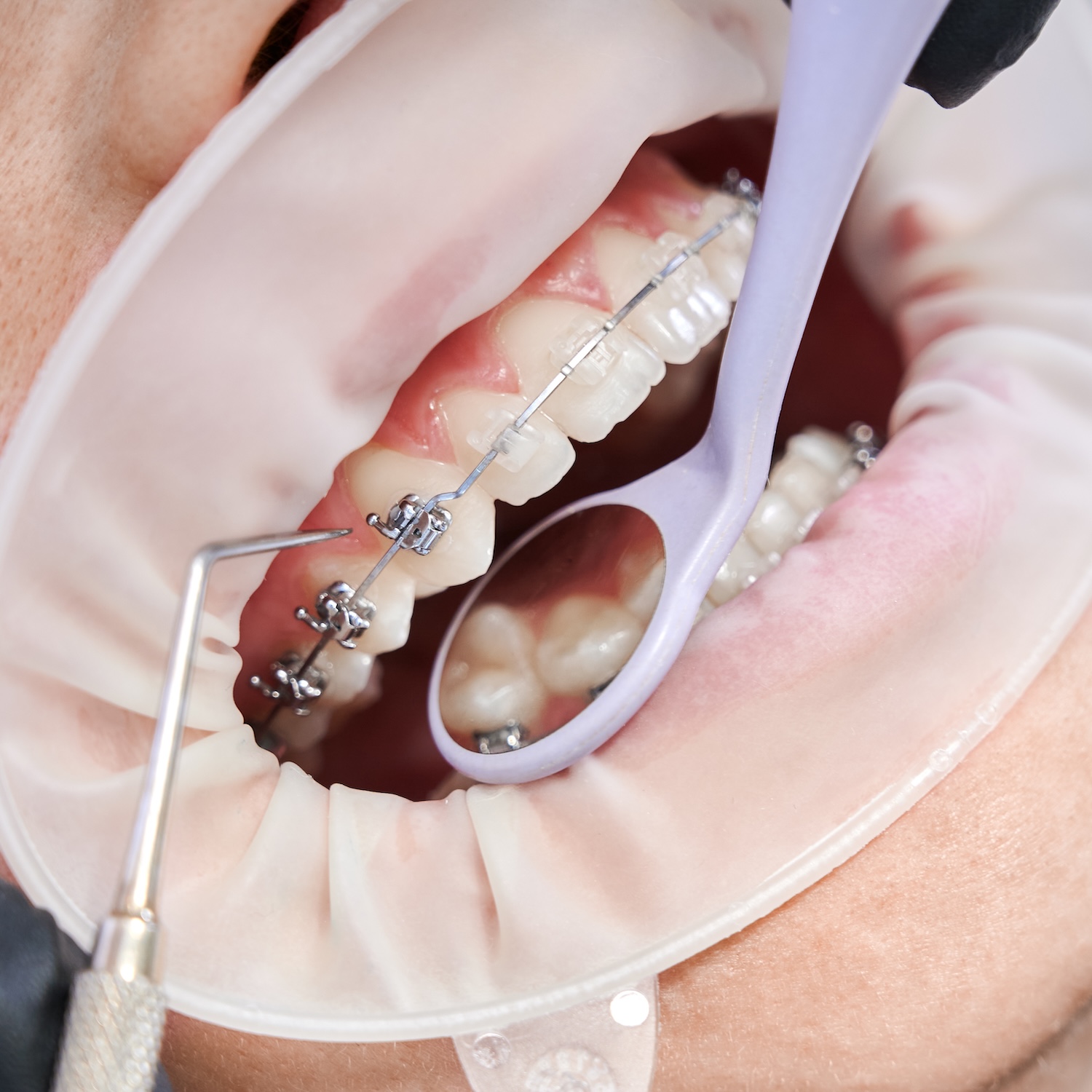
Many people, when thinking about correcting dental problems, immediately think of orthodontic treatment. This is because braces are a familiar solution and can effectively correct many types of misaligned teeth. However, in some cases, complex jaw structure issues may mean that orthodontic treatment alone cannot fully or effectively address the problem. So how can you tell if your condition goes “beyond” conventional orthodontics and may require jaw surgery as well? This article will guide you through the “signs that you may need orthodontic treatment combined with jaw surgery”, helping you observe yourself and seek professional advice in a timely manner.
Check Yourself! These Signs May Indicate That You Should Consider “Jaw Surgery” Together with “Orthodontic Treatment”
Although a definitive diagnosis must come from a specialist dentist, self-observation is a good first step in caring for your oral health. The following signs and symptoms may suggest that you should consider treatment with orthodontics combined with jaw surgery:
-
Clearly abnormal bite alignment:
Observe how your teeth come together when you bite normally. You may notice:
- Upper teeth protruding excessively over lower teeth (Overbite): The upper front teeth overlap the lower teeth more than normal.
- Lower teeth protruding in front of upper teeth (Underbite): The lower teeth extend forward beyond the upper teeth.
- Front teeth do not touch (Open bite): When biting down, there is a visible gap between the upper and lower front teeth.
- Crossbite: The upper and lower teeth do not align properly and may bite in a crossed position.
These conditions may indicate underlying jaw structure abnormalities that cause bite problems.
-
Noticeable jaw protrusion or a retruded chin:
Look at your facial profile in the mirror. You may notice:
- Upper or lower jaw protruding excessively: Making the facial profile look unbalanced.
- A chin that is too far back: Causing the lower face to appear unusually small or short.
These jaw position abnormalities can affect both bite function and overall facial appearance.
-
Difficulty with speech or chewing:
If you experience:
- Unclear pronunciation of certain sounds: Especially sounds that rely on tongue and tooth positioning.
- Difficulty chewing food properly: Food is hard to break down or chew thoroughly.
- Difficulty biting or cutting food with the front teeth: Due to improper contact between the front teeth.
These issues may be caused by abnormal bite alignment related to jaw structure problems.
-
Facial asymmetry:
Look straight at your face in the mirror and imagine a vertical line dividing it into two halves. You may notice:
- One side of the face is noticeably different from the other: Such as a crooked chin, uneven cheeks, or uneven eye levels.
Facial asymmetry can be a sign of jaw structure irregularities.
-
Chronic jaw or temporomandibular joint (TMJ) pain:
If you experience:
- Pain around the temples, jaw, or near the ears
- Clicking or popping sounds in the jaw joint when opening, closing, or chewing
- Jaw locking or limited mouth opening
These symptoms may indicate TMJ disorders, which are often associated with bite and jaw structure problems.
-
Frequent mouth breathing:
If you find yourself breathing through your mouth most of the time, especially during sleep, and experience:
- Dry mouth or dry throat in the morning
- Snoring
Mouth breathing may be related to a narrow or improperly proportioned jaw structure.
-
Abnormal tooth wear:
Observe your teeth closely. You may notice:
- Uneven or excessive tooth wear, especially on the front teeth
- Chipped or cracked teeth occurring easily
Abnormal tooth wear can result from an imbalanced bite, where certain teeth bear excessive chewing forces due to jaw misalignment.
Why Are These Signs Important?
The signs mentioned above are early warning indicators that your bite or facial structure issues may stem from abnormalities in the jawbone structure. These problems often cannot be corrected with orthodontic treatment alone. Leaving them untreated may negatively affect your oral health, overall health, and self-confidence in the long term.
Don’t Wait Too Long — Consult a Specialist for an Accurate Diagnosis
If you notice any of these signs or suspect that you may have jaw structure issues, the most important step is to consult an orthodontist and/or an oral and maxillofacial surgeon. A thorough examination—including clinical evaluation and X-rays—will allow the specialist to assess your jaw structure and create the most appropriate treatment plan. In some cases, a combined approach using orthodontics and jaw surgery may be the best solution to achieve optimal and lasting results.
Benefits of Combined “Orthodontic Treatment” and “Jaw Surgery”
Although treatment involving orthodontics combined with jaw surgery may sound complex, the results are often highly rewarding because the treatment addresses the root cause of the problem. Benefits include:
- Accurate and effective correction of bite problems
- Improved facial balance, symmetry, and confidence
- Relief from jaw joint pain and TMJ-related symptoms
- Improved speech, chewing, and breathing function
- Stable and long-lasting treatment results