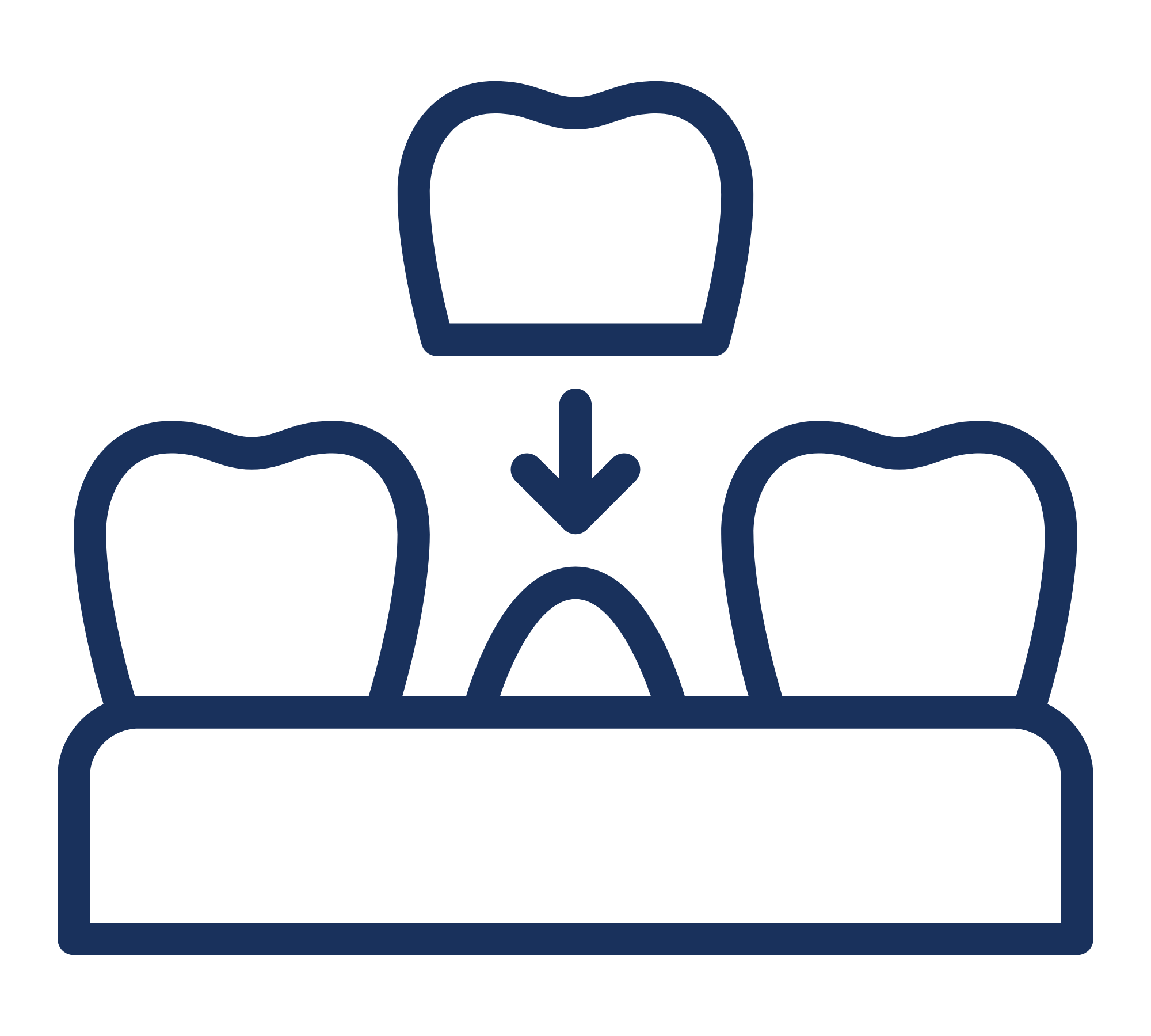
Steps of dental implant placement
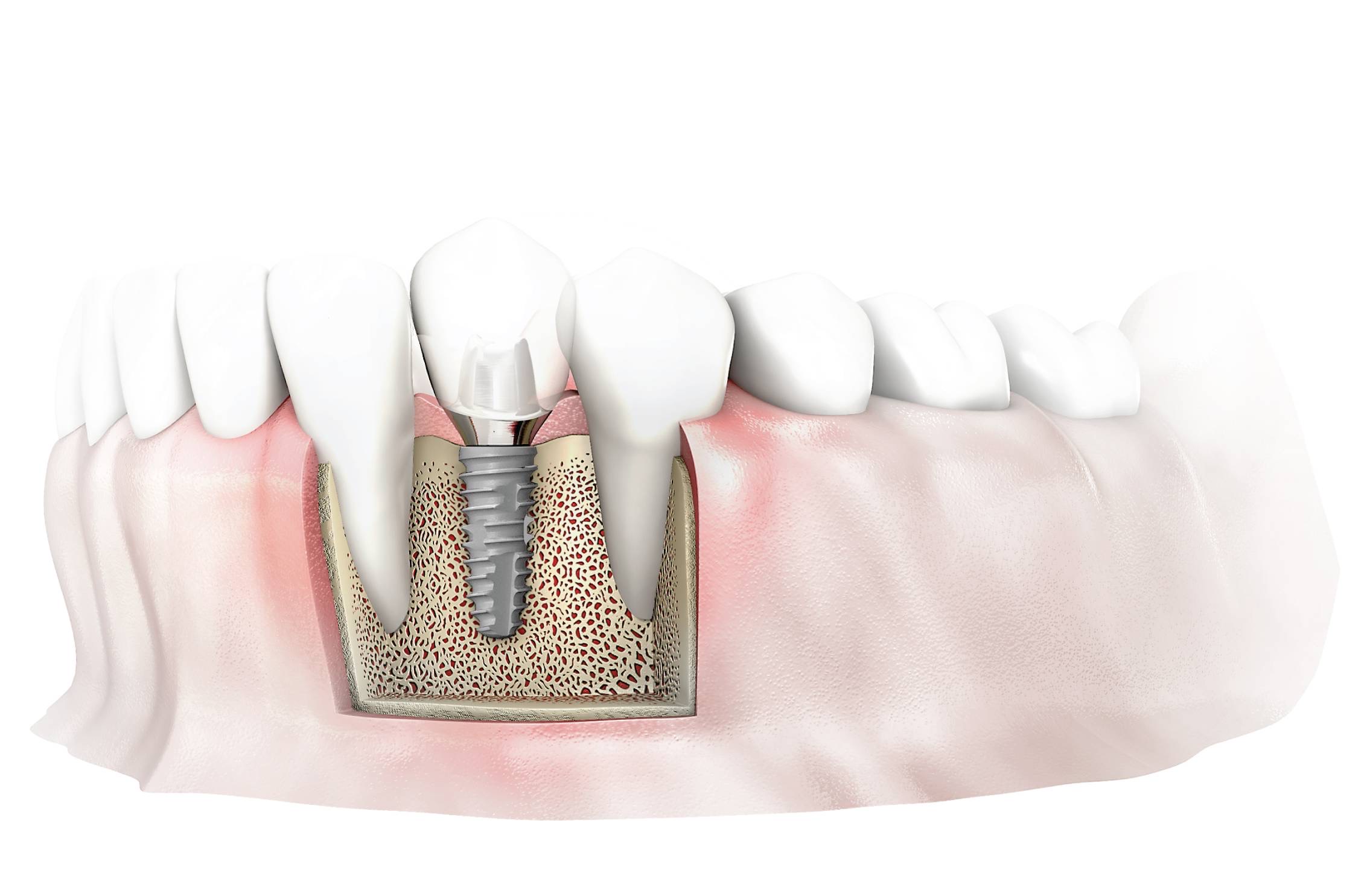
- Evaluation and treatment planning: oral examination, dental scan or impression, X-ray, and CT scan to assess bone structure and plan implant placement
- Implant surgery: placing the implant into the jawbone; may require soft-tissue grafting or bone grafting if bone density or volume is insufficient
- Osseointegration period: after implant placement, bone must integrate with the implant, typically 2–4 months; may take longer when bone grafting is required
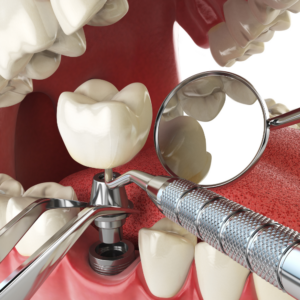
- Placement of abutment and prosthetic tooth: once osseointegration is complete, the abutment and crown are attached using tooth-colored materials for natural appearance and full functionality
Modern dental implant technology
Modern implants feature innovations in materials, procedures, and technology to improve treatment safety and efficiency
A major advancement is the use of 3D technology for planning, including 3D scanning and CBCT imaging to visualize bone structure, nerves, and sinus positions in detail
Combined with computer-guided surgery, this technology helps position implants precisely, reducing errors and improving treatment success
Another innovation that shortens treatment time is Immediate Implant Placement and Loading. If bone and gum conditions are favorable, the implant can be placed immediately after extraction, and in some cases, a temporary crown can be attached right away.
This reduces inconvenience during healing; however, it depends on the dentist’s judgment and the patient’s unique conditions.
Healing duration
- ฟื้นตัวเบื้องต้น: ใช้เวลาประมาณ 1-2 สัปดาห์
- Osseointegration: takes 2–4 months, or up to 6–9 months depending on surgical complexity, implant site, and the patient’s health condition
Risks and complications
Although risks are low, dental implants may involve complications such as:
- Infection
- Possible damage to adjacent teeth
- Jawbone fracture or delayed wound healing
- Nerve injury, potentially causing numbness around the lips
- Bleeding, especially in extensive surgeries, near large blood vessels, or in patients with bleeding disorders or slow clotting
- Sinus inflammation/infection (for implants placed in the upper jaw)
Therefore, it is essential to receive treatment from an experienced and skilled dentist to minimize or avoid these risks.
Post–dental implant care
Proper care after implant placement is crucial for effective treatment and long-term implant lifespan. Follow these recommendations:
Post-operative care during the initial phase
- Control bleeding: if slight bleeding occurs, gently bite on the gauze provided by your dentist for about 60 minutes. If bleeding does not stop, contact your dentist immediately.
- Reduce swelling: apply a cold compress to the cheek for the first 24–48 hours to minimize swelling.
- Avoid touching the wound; do not probe the area with your tongue or fingers to prevent infection.
Food and beverages
- Avoid very hot foods and avoid hard or sticky foods: during the first 1–2 weeks, consume soft foods such as soup, porridge, or yogurt.
- Avoid hot beverages: refrain from drinking coffee or tea as heat may aggravate surgical wounds.
- Avoid alcohol and smoking: these can slow healing and increase the risk of infection
Oral hygiene care
- Brush gently: use a soft-bristled toothbrush to clean teeth and gums around the implant, being careful not to disturb the wound
- Use antiseptic mouthwash: if recommended by your dentist, use an antibacterial mouthwash to reduce infection risk
- Use dental floss or interdental brushes: clean between teeth and around implants regularly to prevent plaque buildup
Avoid activities that may disturb the wound
- Avoid strenuous exercise: such as heavy lifting or sports in the early stage, as they may increase pressure around the wound
- Avoid using straws: suction pressure can disrupt healing or reopen the wound
Regular dental check-ups
- Follow-up visits: see your dentist regularly to monitor bone integration and implant stability
- Maintaining healthy gums around the implant: schedule professional cleanings, scaling, and periodontal care at least 1–2 times per year
Long-term care
- Maintain ongoing oral hygiene: brush twice daily, floss regularly, and clean implants as you would natural teeth
- Avoid harmful habits such as nail-biting, using teeth to open bottles, or chewing very hard foods
เมื่อใดควรติดต่อทันตแพทย์?
When should you contact your dentist?
- Contact your dentist immediately if you experience any of the following issues:
- The implant feels loose, shifts, or moves
- Swelling, bleeding, or pus around the implant
Summary
Dental implants are an effective and durable tooth replacement option that restores chewing ability, speech, and a confident smile
Although treatment requires time, the results are worthwhile—consult your dentist if interested
To plan the most suitable treatment based on your bone and gum condition, ensuring a better long-term quality of life