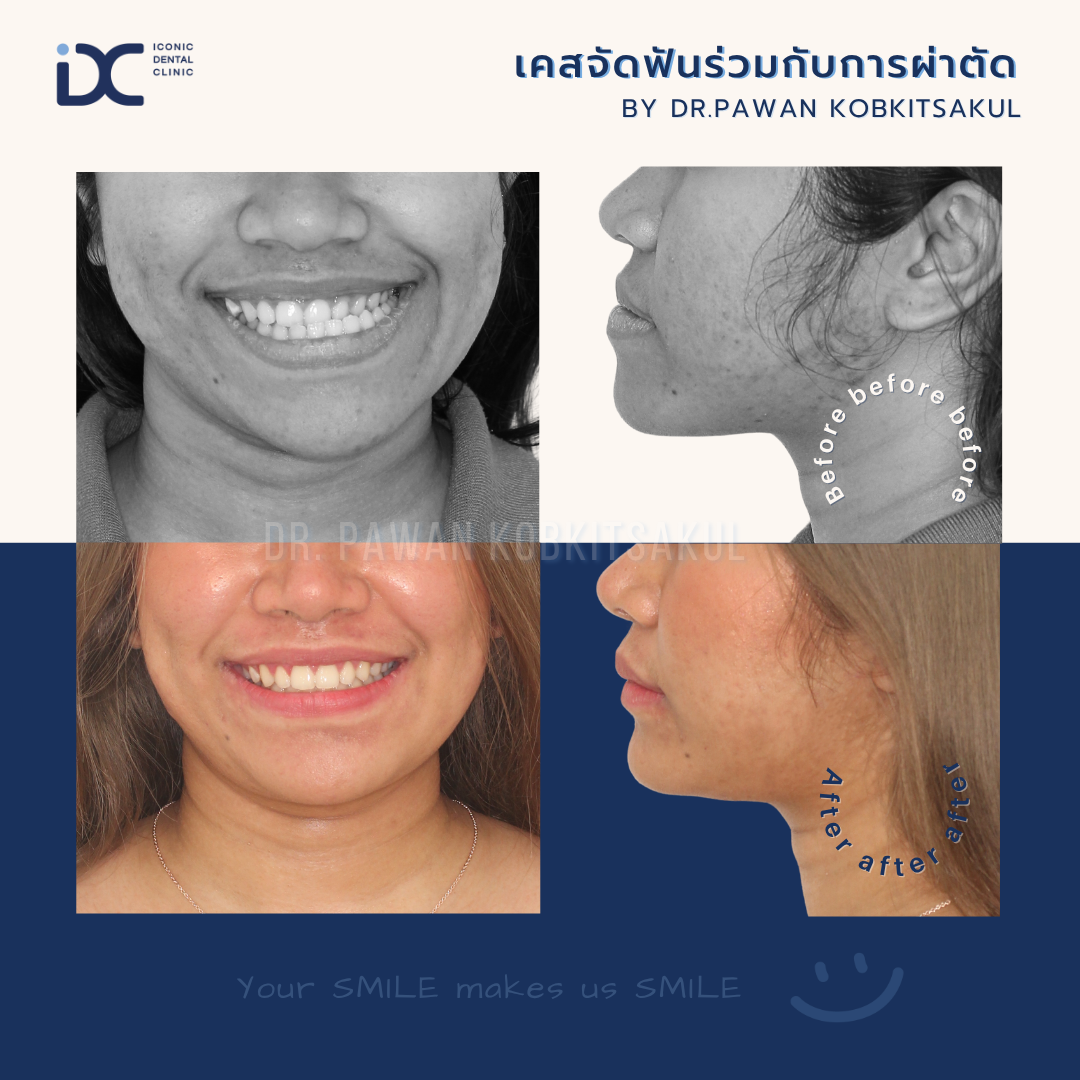
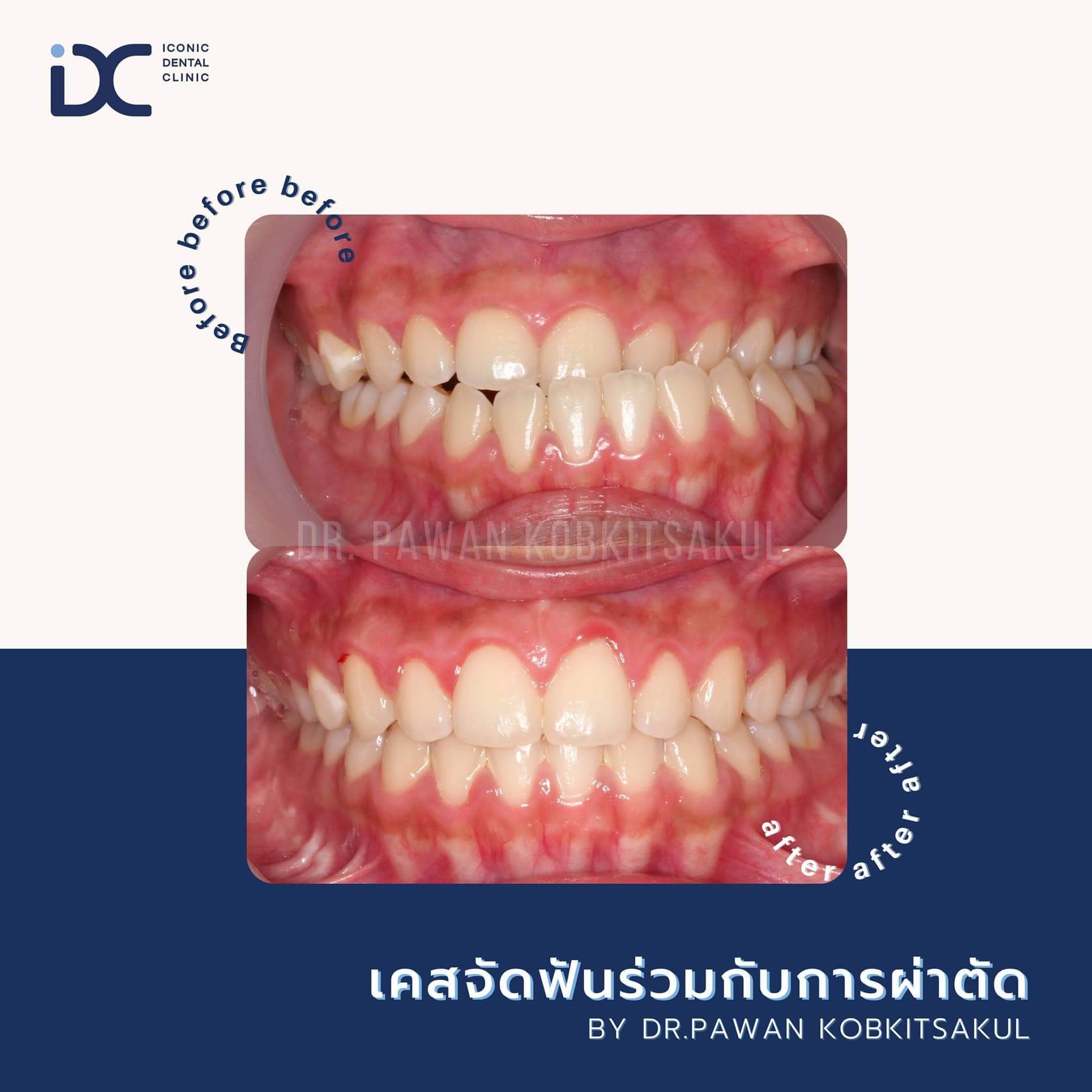
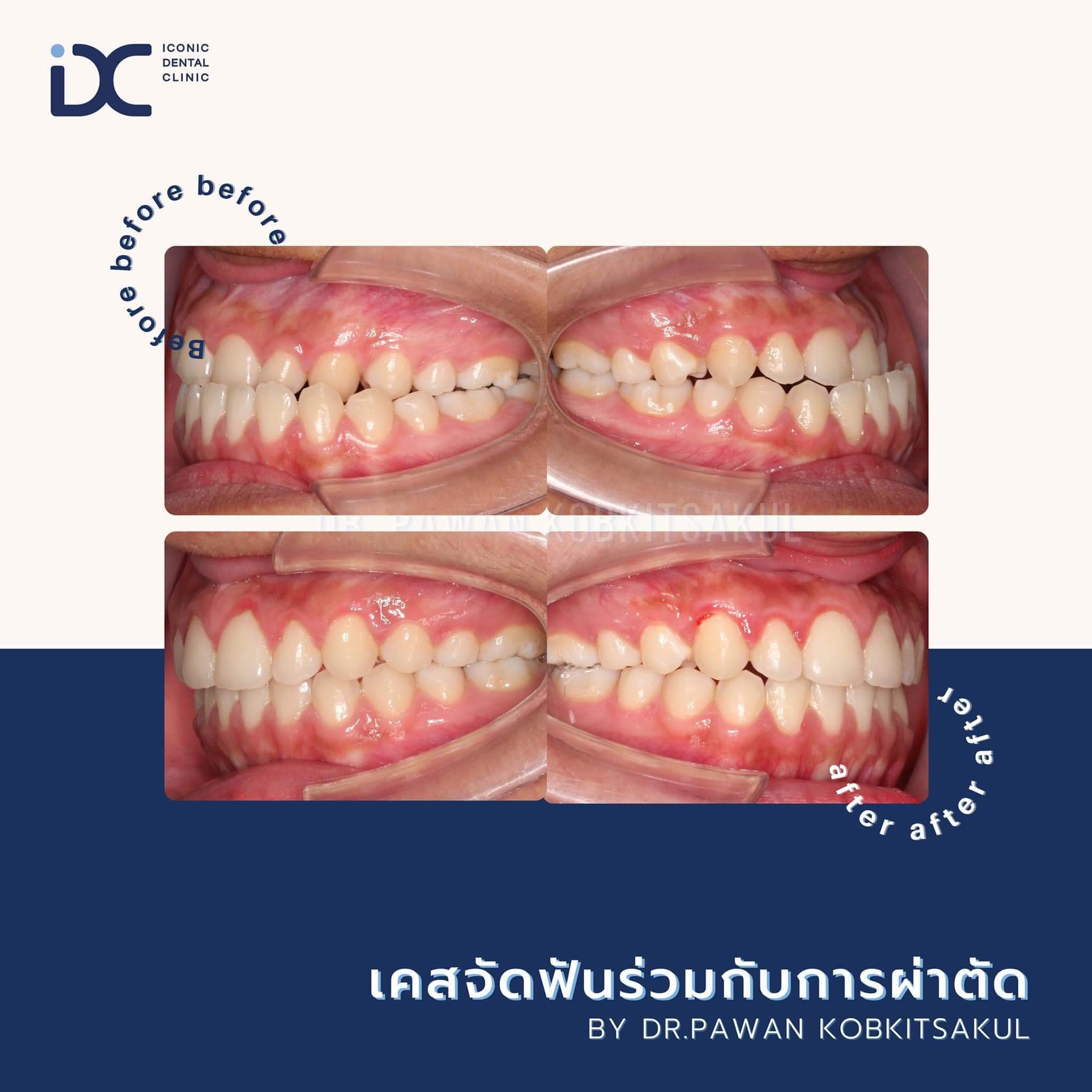
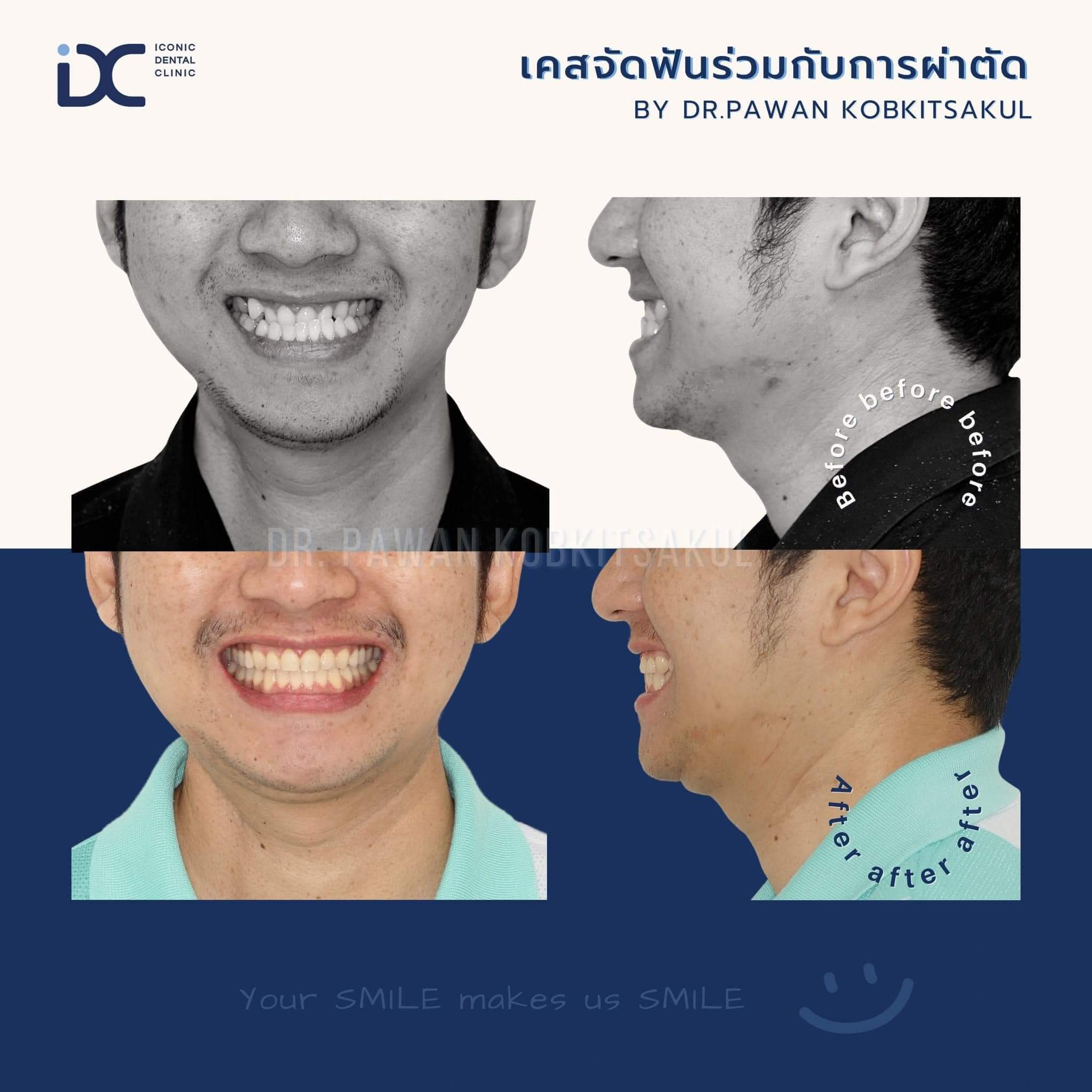
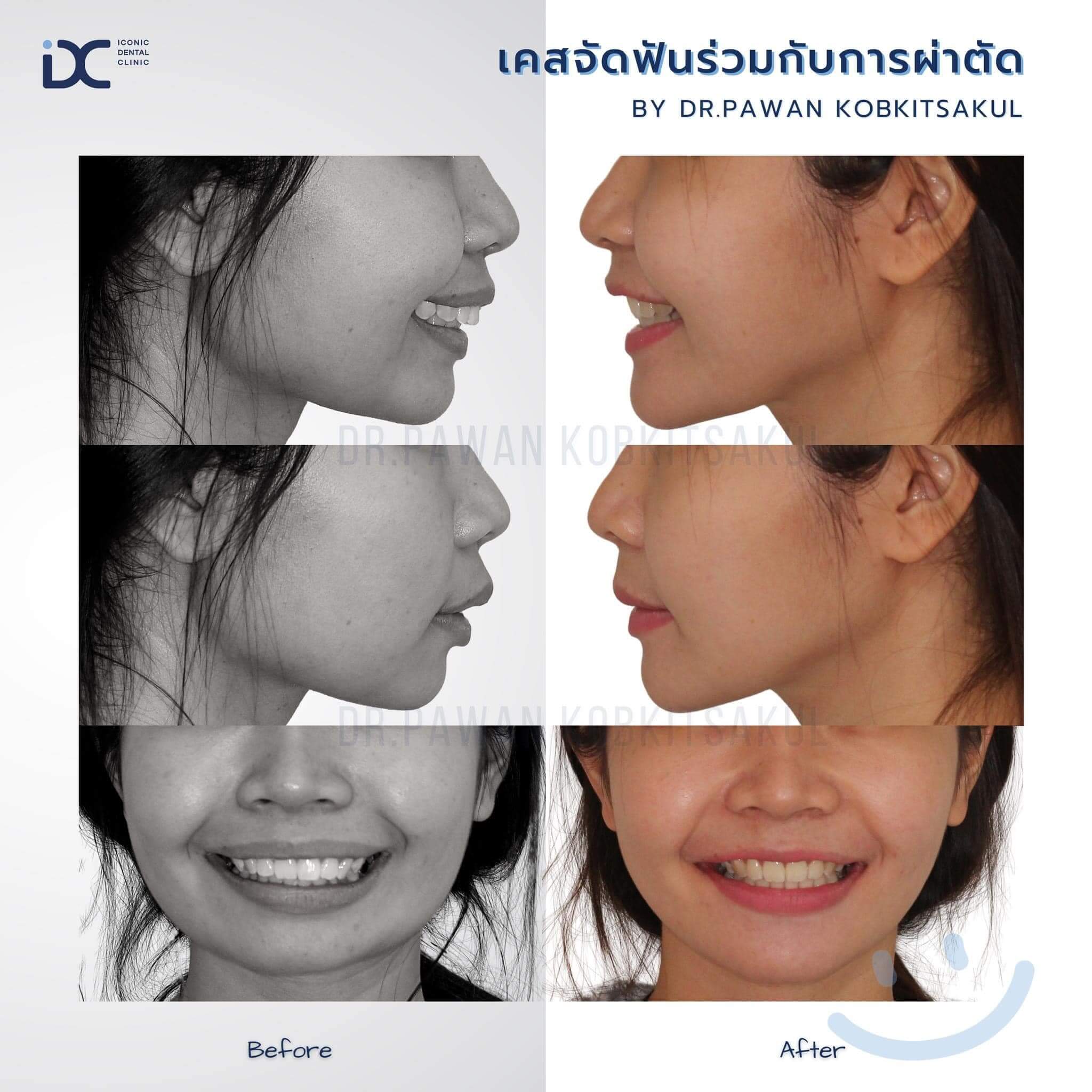
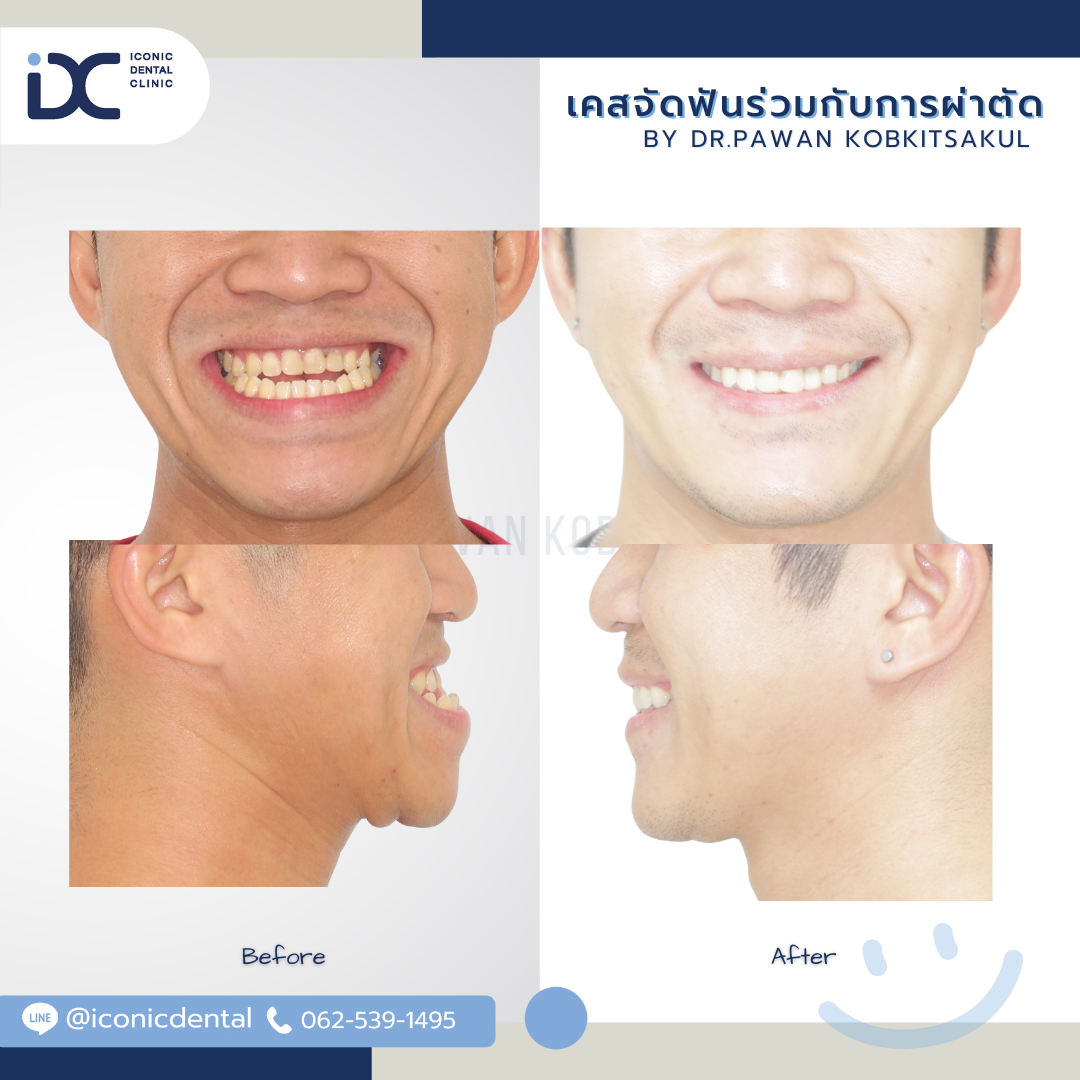
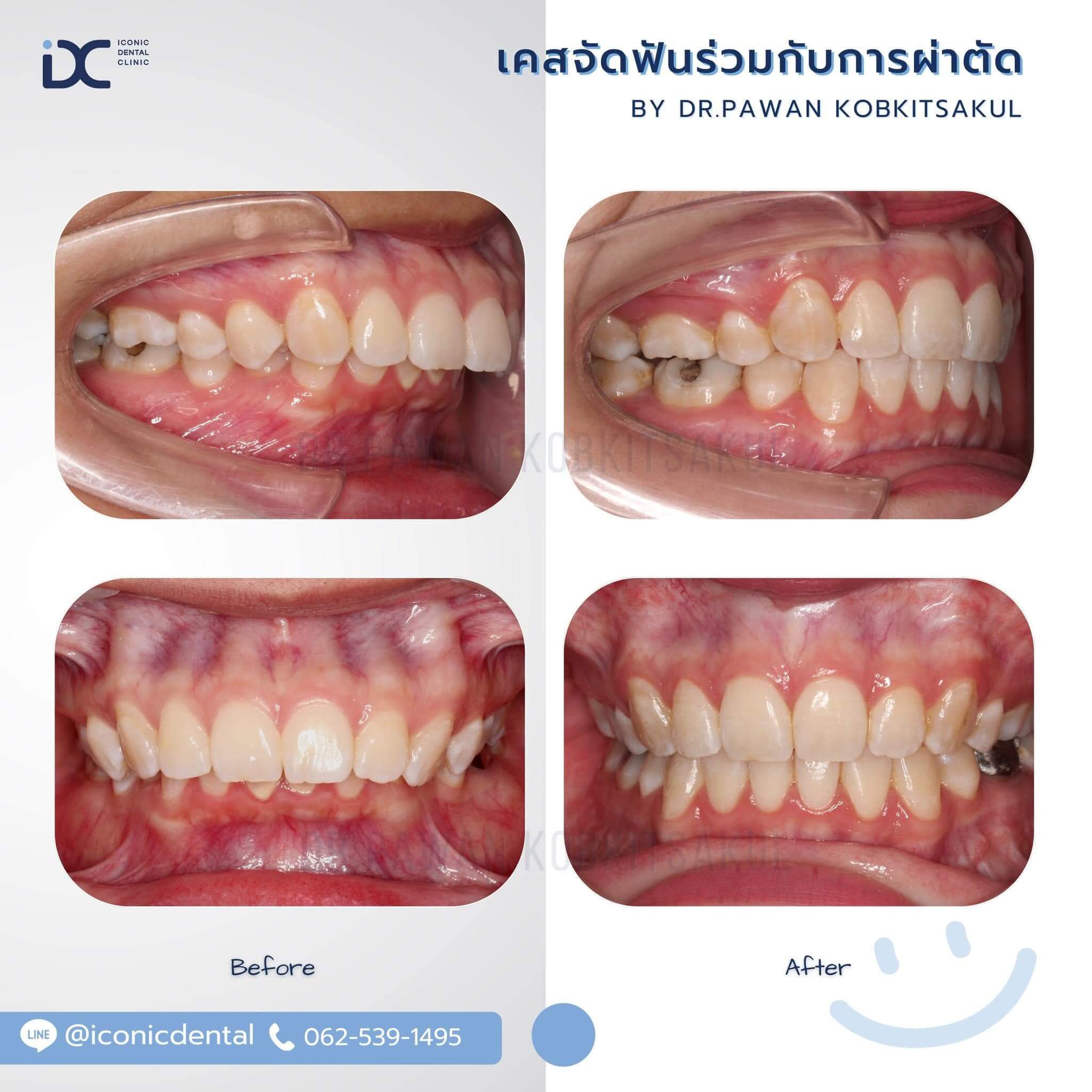
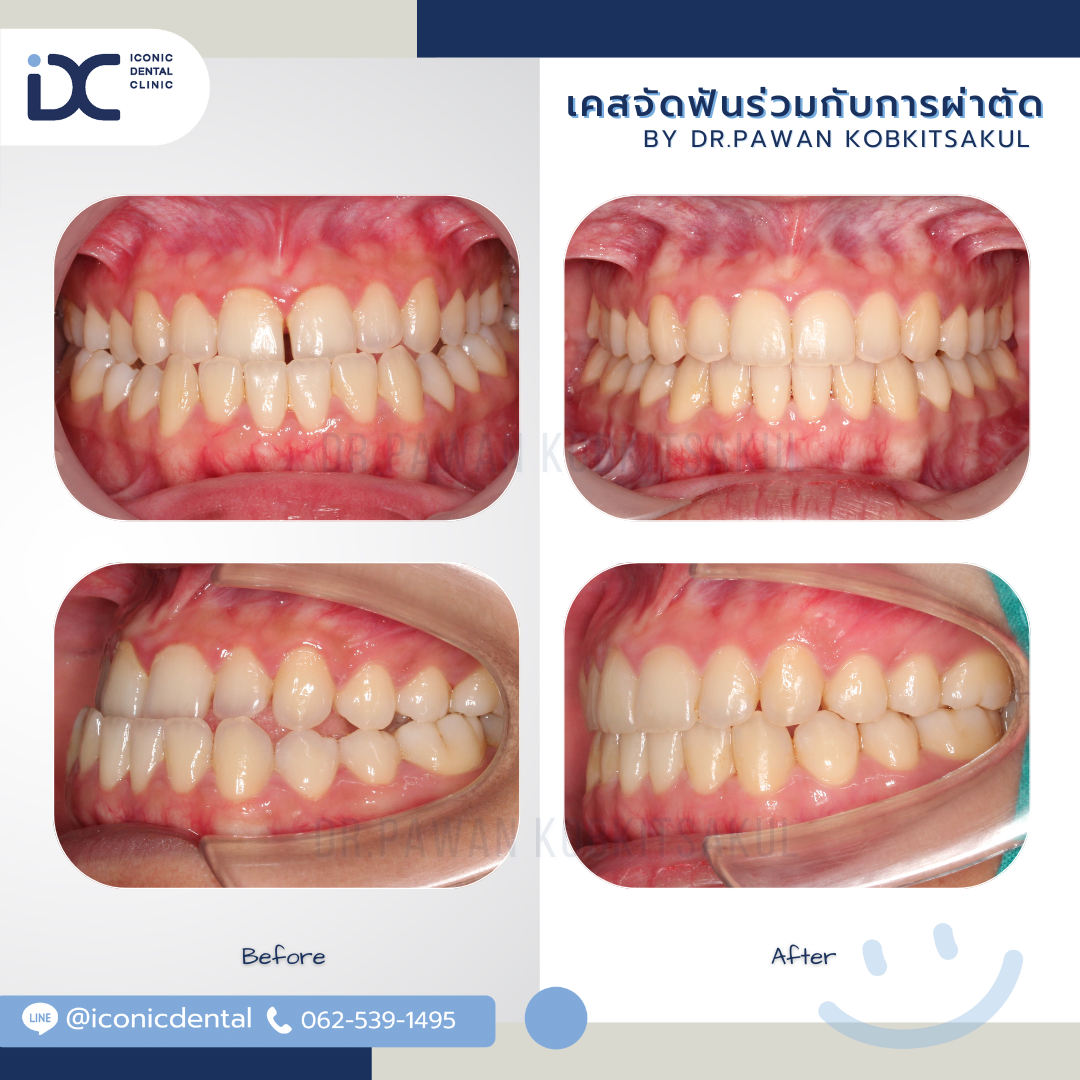
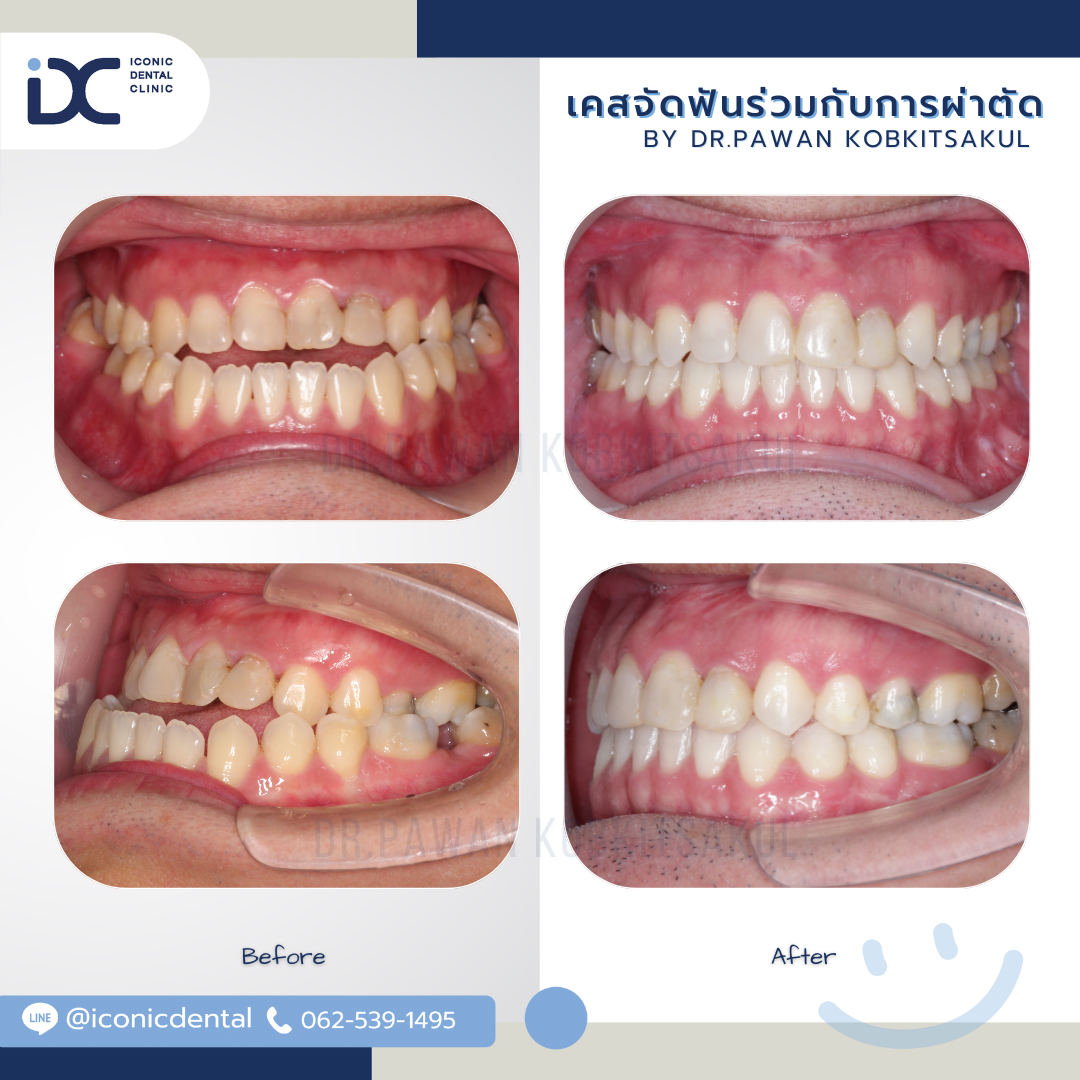
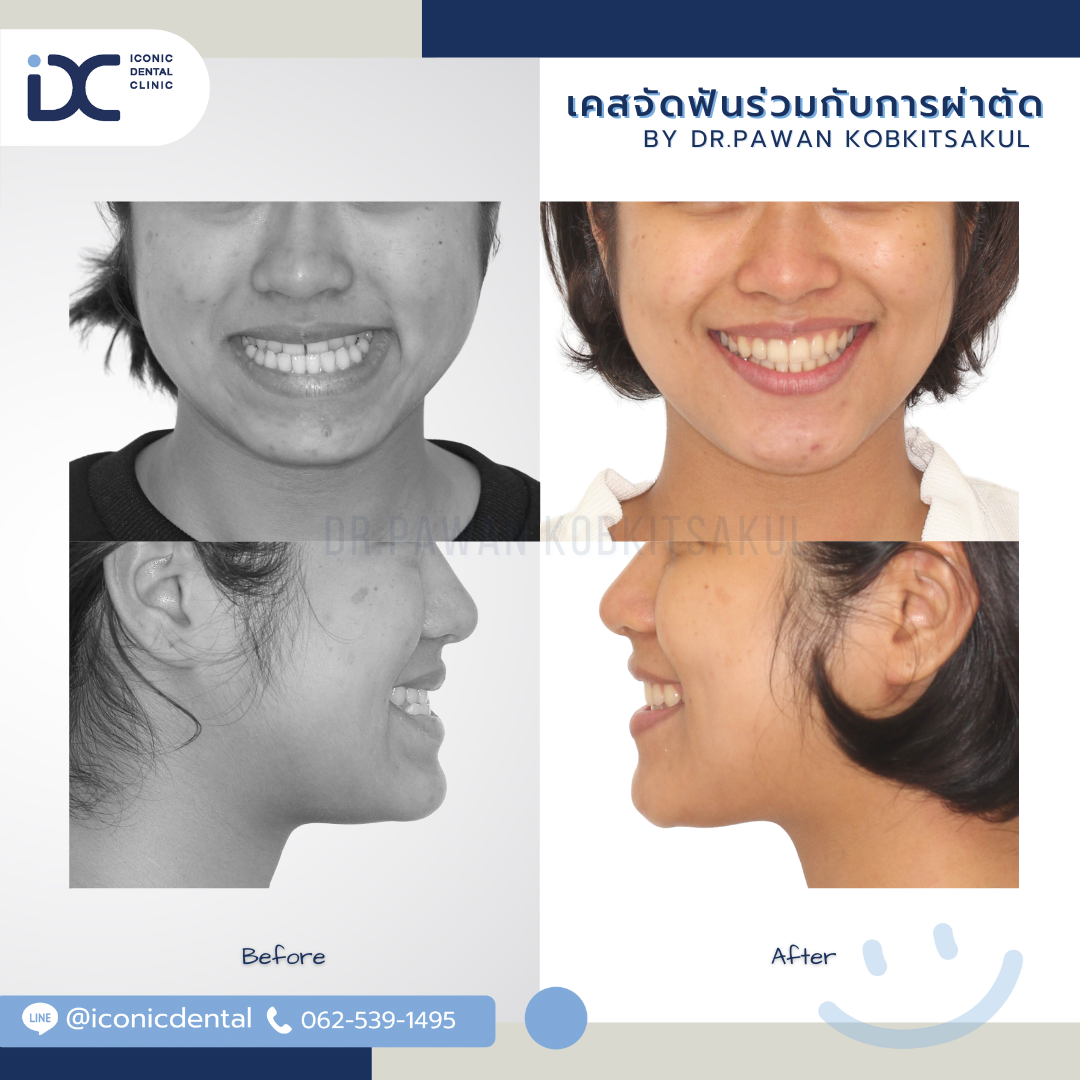
Treatment Approach
- Traditional Approach (Orthodontics before surgery)
Steps:
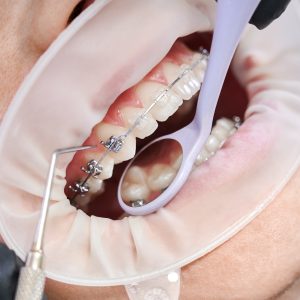
- Pre-surgical orthodontics
- It takes about 12-24 months to align the teeth into a suitable position for surgery.
- The teeth will be arranged in preparation for jaw repositioning.
- Surgery
- Surgery is performed under general anesthesia in a hospital, where the jaw is repositioned according to the plan and fixed with metal plates and bone screws.
- The surgery takes about 2-6 hours.
- Post-surgical orthodontics
- It takes about 6-12 months to adjust the tooth position to fit the new jaw.
Benefits
- Provides high accuracy in the treatment process.
- Provides high accuracy in treatment planning
Disadvantages
- Requires a long overall treatment period (2–3 years)
- Aesthetic results are seen only after surgery; during the presurgical orthodontic period, some patients may feel their facial appearance looks worse
- Surgery-First Approach (performing orthognathic surgery before orthodontic treatment)
Steps:
- Pre-surgical planning
- Using 3D simulation technology to determine future jaw and dental positions
- Surgery
- Surgery is performed under general anesthesia in a hospital, where the jaw is repositioned according to the plan and fixed with metal plates and bone screws.
- The surgery takes about 2-6 hours.
- Orthodontic treatment after surgery.
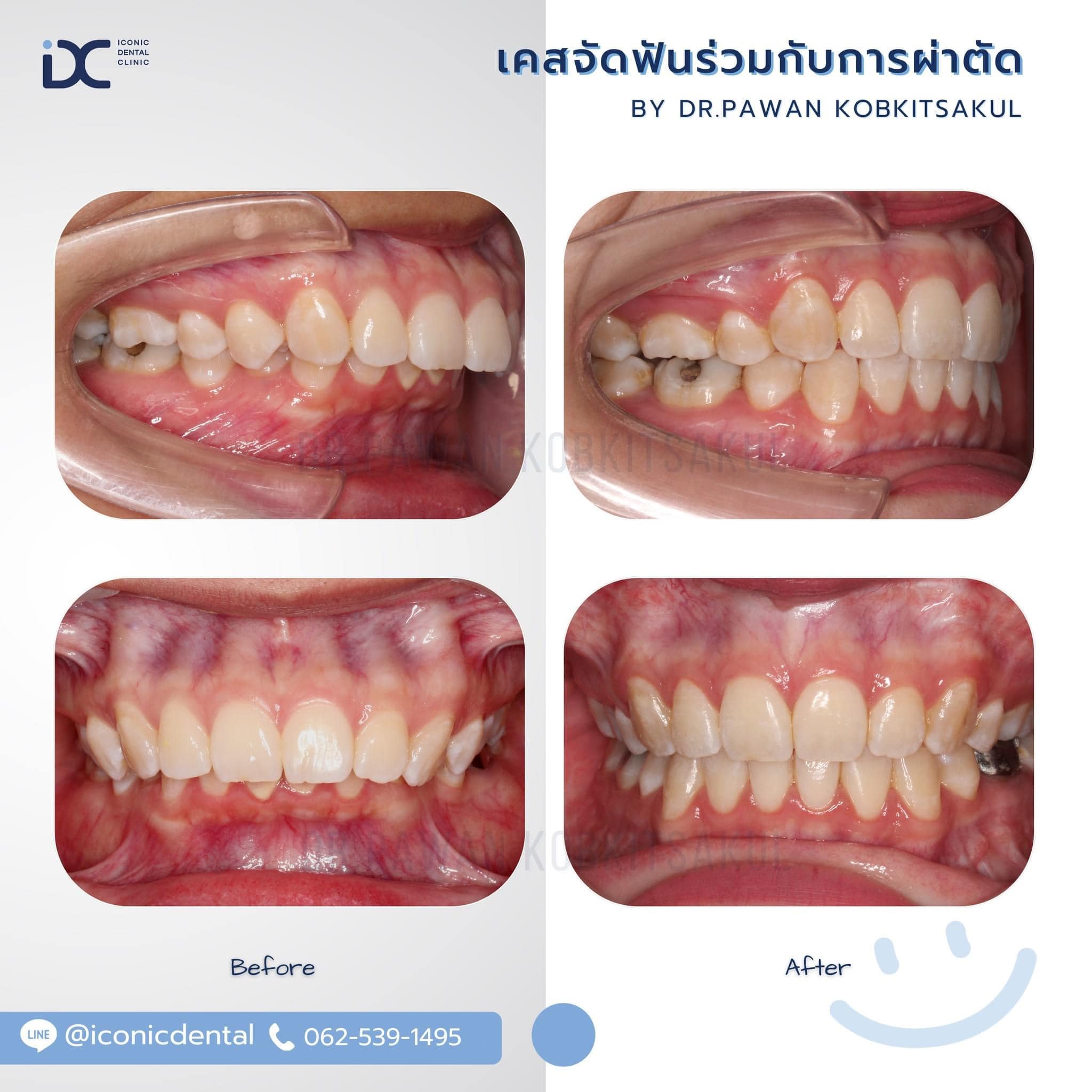
- Orthodontic treatment starts around 4–6 weeks after surgery and continues for another 6–12 months
Benefits
- Shorter treatment duration (12–18 months)
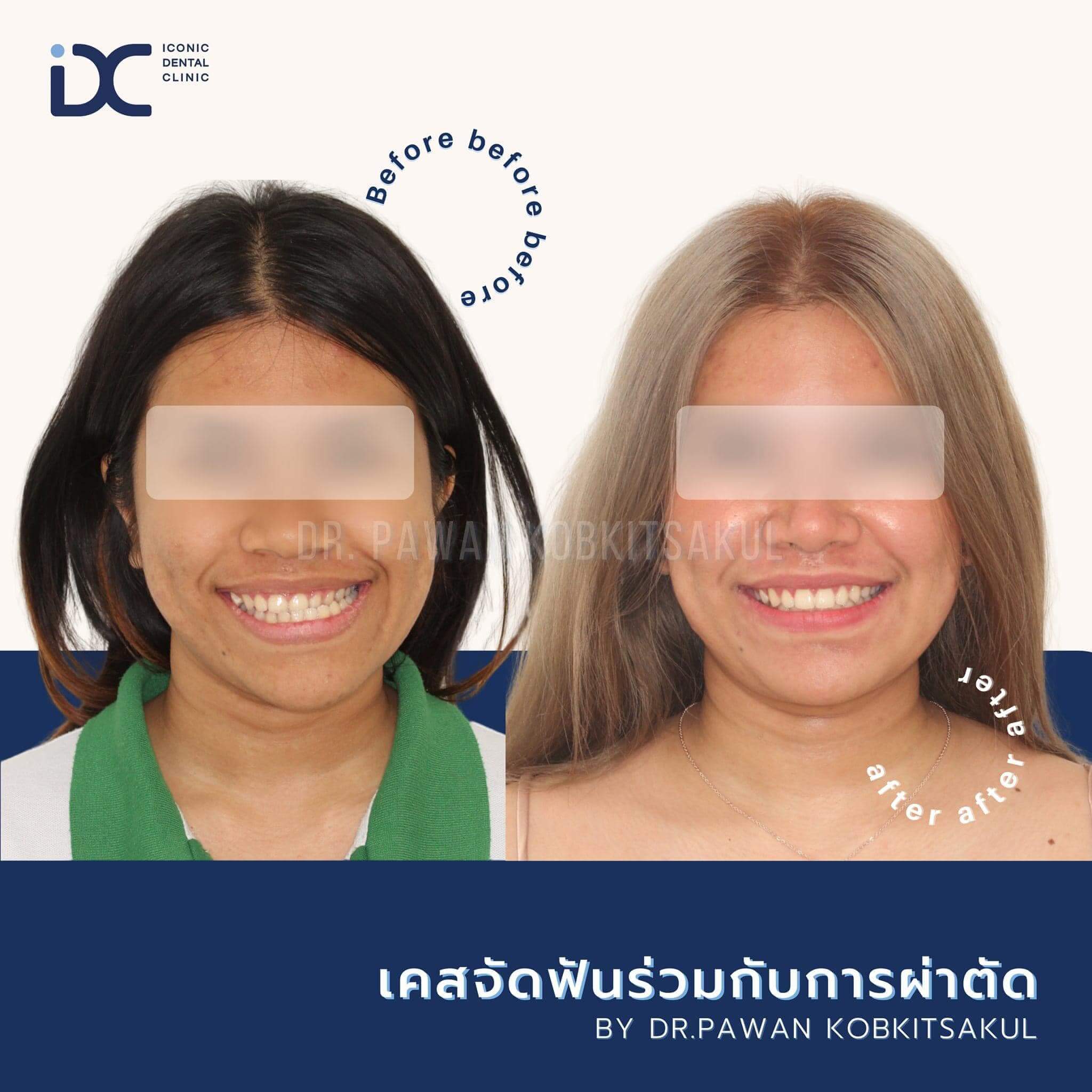
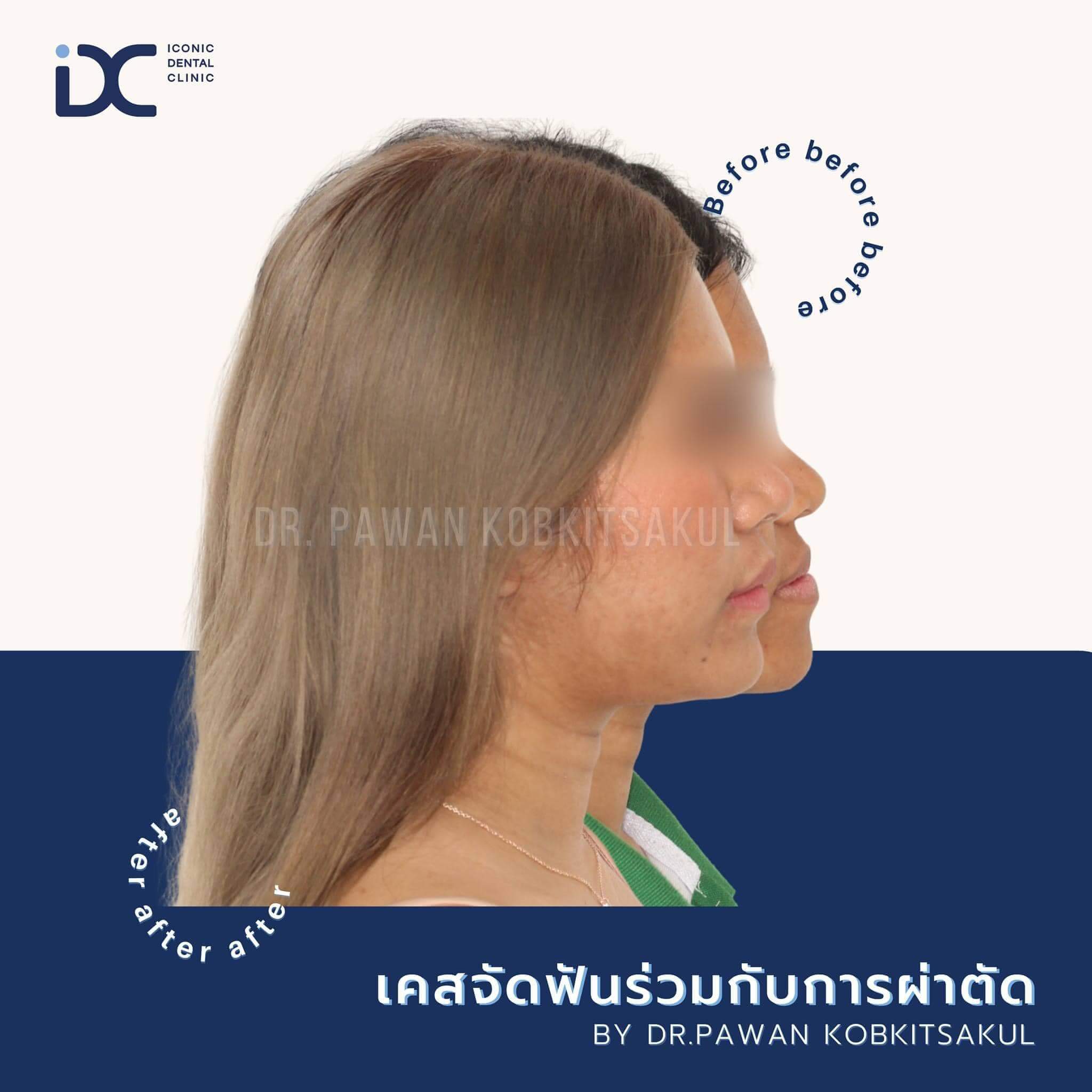
- Immediate aesthetic and functional results
- Increases patient confidence after surgery
Disadvantages
- Requires complex planning and an experienced specialist team
- Not suitable for cases with severe dental or jaw misalignment complexities
Comparison table: Traditional Approach vs. Surgery-First Approach
Preoperative preparation for orthognathic surgery
- Consultation and treatment planning
- Undergo examination by an orthodontist and an oral & maxillofacial surgeon
- Joint evaluation and analysis of the patient’s problems and needs
- Collaboratively plan treatment using clinical examination data, photographs, X-rays, and CT scans
- Pre-surgical oral care
- Undergo scaling, fillings, and maintain oral hygiene to reduce infection risk
- Impacted teeth or unnecessary teeth may need extraction beforehand, or in some cases they can be removed during jaw surgery
- Planning work schedule and daily activities
- Prepare soft or liquid food for the postoperative recovery period
- The surgeon will explain the surgical process, recovery time, and expected outcomes
- After surgery, avoid heavy physical activities, strenuous exercise, and activities that may impact the jaw , Important social or work activities may require adjustment; patients should modify daily life and scheduling accordingly
Post-operative care
- Hospital recovery: patients typically stay 1–3 days for close monitoring and complication prevention
- Wound care: gentle mouth rinsing with antiseptic and saline once the patient can open the mouth without bleeding
Avoid hard-bristled toothbrushes; use mouthwash and maintain careful oral hygiene - Diet and nutrition
- First 1–2 weeks: liquid diet such as soup, juice, milk, smoothies
- Weeks 3–12: soft foods such as porridge, steamed eggs, rice soup, soft dumplings
Normal diet can resume after 3 months (excluding hard, crunchy, or chewy foods)
- Jaw exercises: once swelling and pain decrease, the patient can open their mouth more easily and must perform jaw mobility exercises
- Follow-up: patients must attend scheduled appointments to assess healing, complications, recovery progress, and orthodontic adjustments
Possible side effects and risks
Short-term side effects
- Swelling and bruising on the face and neck commonly occur in the first 1–2 weeks and gradually subside within 4–6 weeks
- Jaw pain and tightness can be relieved with pain medication prescribed by the dentist
- Limited jaw movement, making it difficult to open the mouth initially; movement improves as swelling and pain decrease
- Difficulty eating: patients must follow a liquid diet for the first month and soft foods for 3 months after surgery
Surgical risks / Risks associated with surgery
- Infection, although uncommon, requires excellent oral hygiene, antibiotic use for infection control, and taking all prescribed medication as directed
- Nerve injury may cause numbness or abnormal sensitivity around the lips, chin, under the eyes, or sides of the nose, which is usually temporary
- Jaw relapse may occur if postoperative care is inadequate; dentists may recommend jaw-positioning appliances to maintain stability, and strict adherence is required. In some cases, revision surgery may be necessary
- Temporomandibular joint (TMJ) issues may cause pain or abnormal jaw joint movement
- Anesthesia-related complications such as nausea, vomiting, fatigue, nosebleeds, and sore throat from intubation
Summary
Orthognathic surgery and orthodontic treatment require detailed planning by a specialist team. The Traditional Approach is suitable for cases with significant presurgical orthodontic needs, while the Surgery-First Approach is ideal for patients who want faster results and shorter treatment time. Both approaches require thorough evaluation and close monitoring to achieve the best long-term outcome