Dentures
Dentures are artificial teeth designed to replace one or multiple missing natural teeth. Their primary purpose is to restore effective chewing function and enhance confidence when smiling and speaking. Dentures also play an important role in preventing jawbone resorption and stopping neighboring teeth from shifting out of alignment.
Types of Dentures
- Complete Dentures
- Suitable for individuals who have lost all natural teeth in the upper jaw, lower jaw, or both.
- The denture rests on the gum tissue and jawbone to provide stability and functional use.
- Partial Dentures
- Ideal for patients who have lost some teeth but still have healthy natural teeth remaining to serve as anchors.
- Often use clasps that attach to natural teeth to improve retention and stability.
- Fixed Dentures
- May include dental bridges or prosthetic teeth supported by dental implants.
- Cannot be removed by the patient; placement and removal must be performed by a dentist.
Benefits of Wearing Dentures
- Restores chewing function: Improves the ability to chew food properly, reducing digestive issues caused by inadequate chewing.
- Boosts confidence when speaking and smiling: Dentures fill gaps in the gums, enabling a natural smile and clearer speech.
- Prevents jawbone resorption: When teeth are missing, the body may resorb bone in that area. Dentures help reduce bone loss and maintain facial structure.
- Prevents shifting of adjacent teeth: By replacing missing teeth, dentures help maintain proper alignment of neighboring natural teeth.
Denture Care and Maintenance
- Remove and clean dentures daily to eliminate food debris and bacteria.
- Handle with care to avoid dropping or impact, which may cause cracking or distortion.
- If dentures feel loose, painful, or cause irritation, return to the dentist for evaluation and adjustment.
Dental Crowns
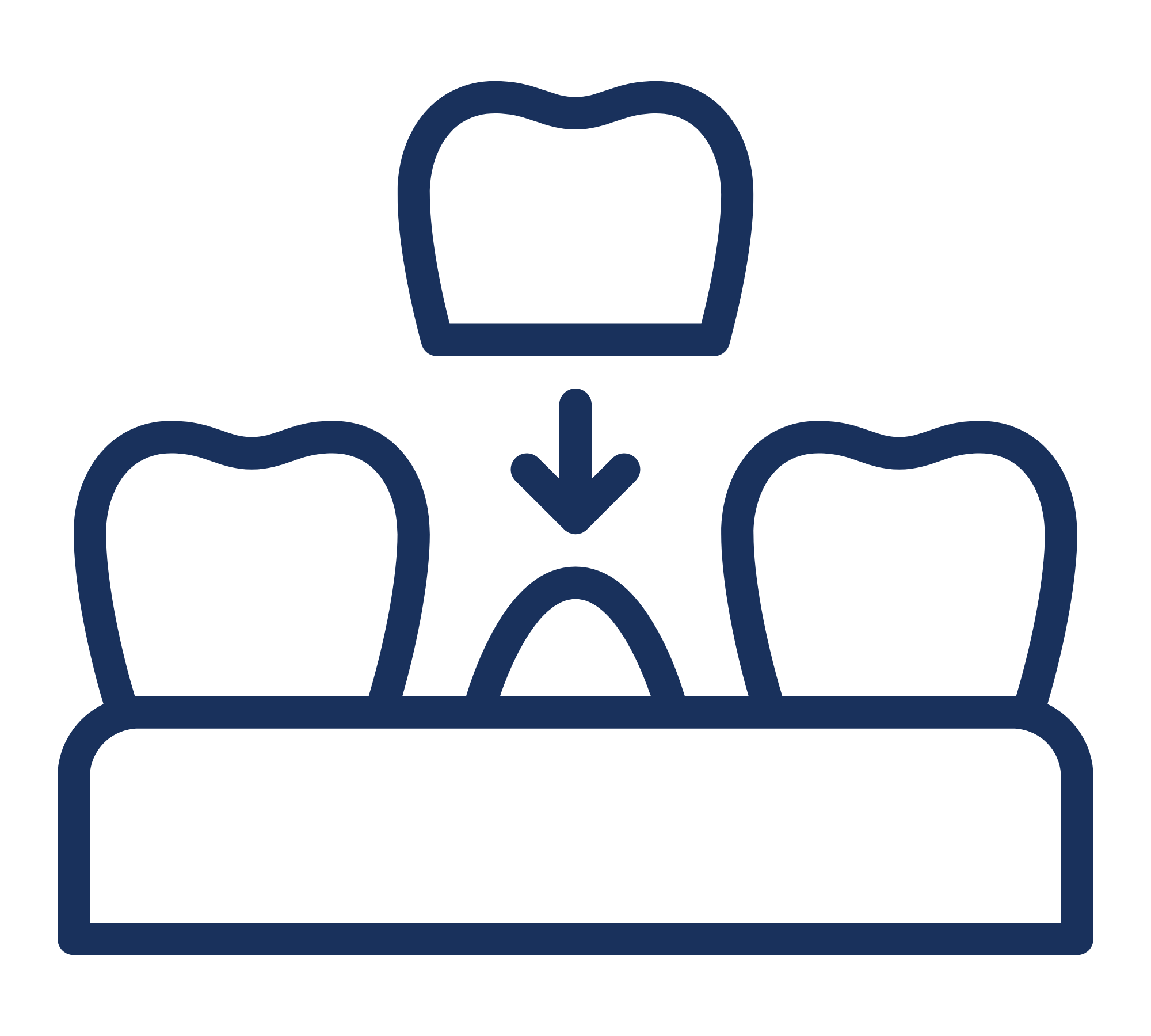
Dental crowns are restorative caps placed over damaged natural teeth. Damage may result from decay, fractures, cracks, or aesthetic concerns such as poor shape or discoloration. When a tooth has lost a significant amount of structure, a crown may be recommended to restore strength and function. Crowns can also be placed on dental implants to replace an entire tooth.
The Role of Dental Crowns
- Restore tooth shape, size, and strength
- When a tooth is severely damaged, a crown helps restore normal function and a natural appearance.
- Protect weakened teeth
- Crowns act as a protective shield for heavily decayed teeth, teeth that have undergone root canal treatment, or teeth with cracks—preventing further damage or fracture.
- Improve appearance and aesthetics
- The color and shape of the crown can be customized to match natural teeth, close gaps, and correct abnormal tooth shapes.
- Part of other dental treatments
- Crowns are commonly used as anchors for dental bridges or placed on top of dental implants.
Common Materials Used for Dental Crowns
- Metal Crowns
- Highly durable and resistant to chewing forces, but noticeably different in color and texture from natural teeth.
- Porcelain Fused to Metal (PFM)
- Metal on the inside with a porcelain exterior for improved aesthetics; however, the metal margin may become visible if the gums recede.
- All-Ceramic / All-Porcelain
- Offers the closest match to natural tooth color; ideal for front teeth, though generally less strong than metal.
- Zirconia
- Strong and highly aesthetic, closely resembling natural teeth; increasingly popular today.
Typical Dental Crown Procedure
- Dental examination and treatment planning: The dentist evaluates the tooth, takes X-rays, determines crown suitability, and selects the appropriate material.
- Tooth preparation and impression: The tooth is reshaped to create space for the crown, then impressions are taken and sent to a dental laboratory.
- Temporary crown placement: A temporary crown is placed while waiting for the permanent crown to prevent sensitivity.
- Permanent crown placement: Once the permanent crown is ready, the dentist adjusts and cements it securely.
Choosing a Tooth Restoration Option: Dentures or Crowns?
The decision to choose “dentures” or “dental crowns” depends on several factors, including:
- Condition of the teeth: Number of missing teeth and the extent of damage to each tooth.
- Gum and jawbone structure: If jawbone volume is insufficient, alternative treatments or bone augmentation may be required.
- Cost and long-term maintenance: Removable dentures are generally more affordable but require daily removal and cleaning, while crowns cost more but are easier to maintain in daily life.
- Dentist’s professional judgment: The dentist considers oral health condition, materials, and the patient’s needs to recommend the most suitable option.