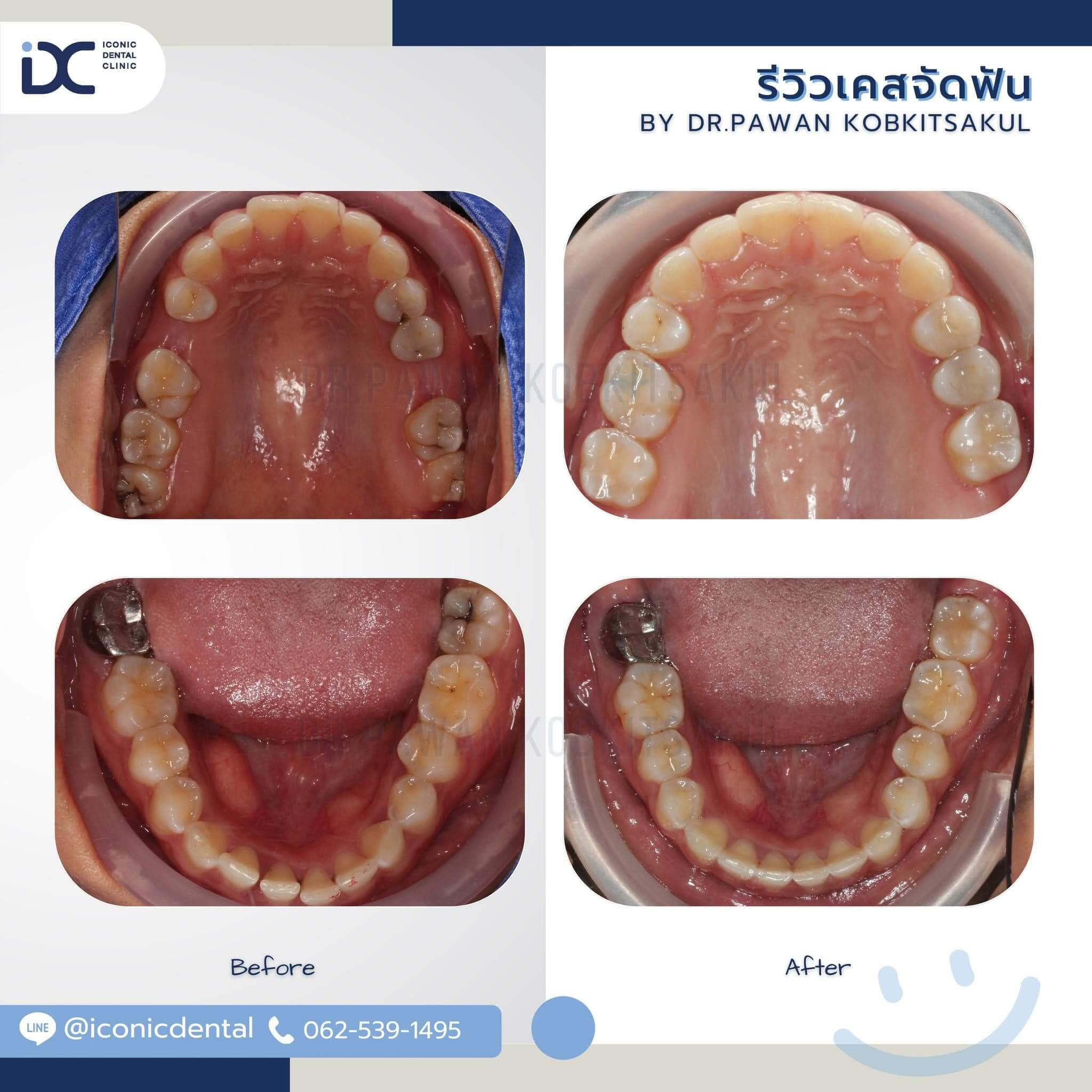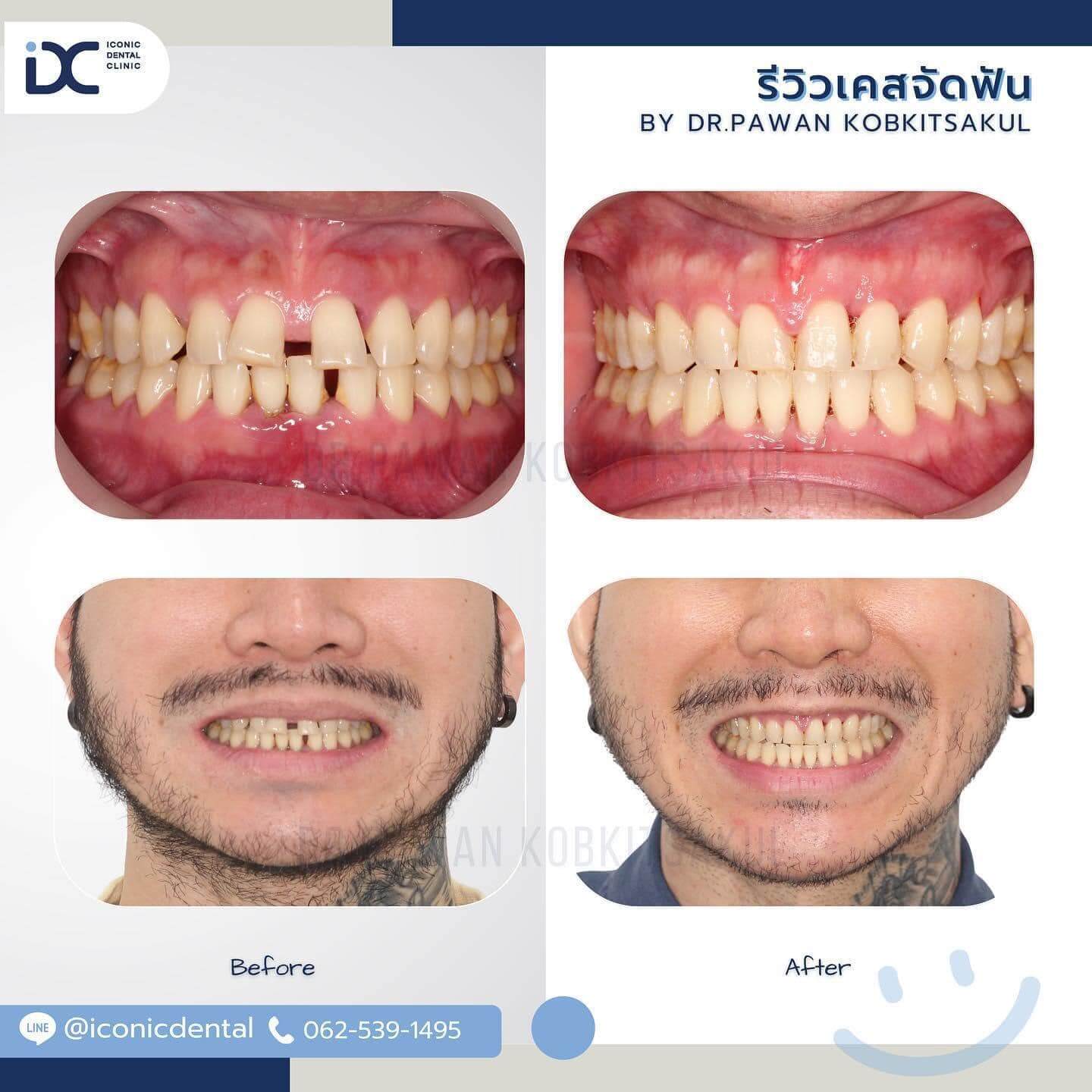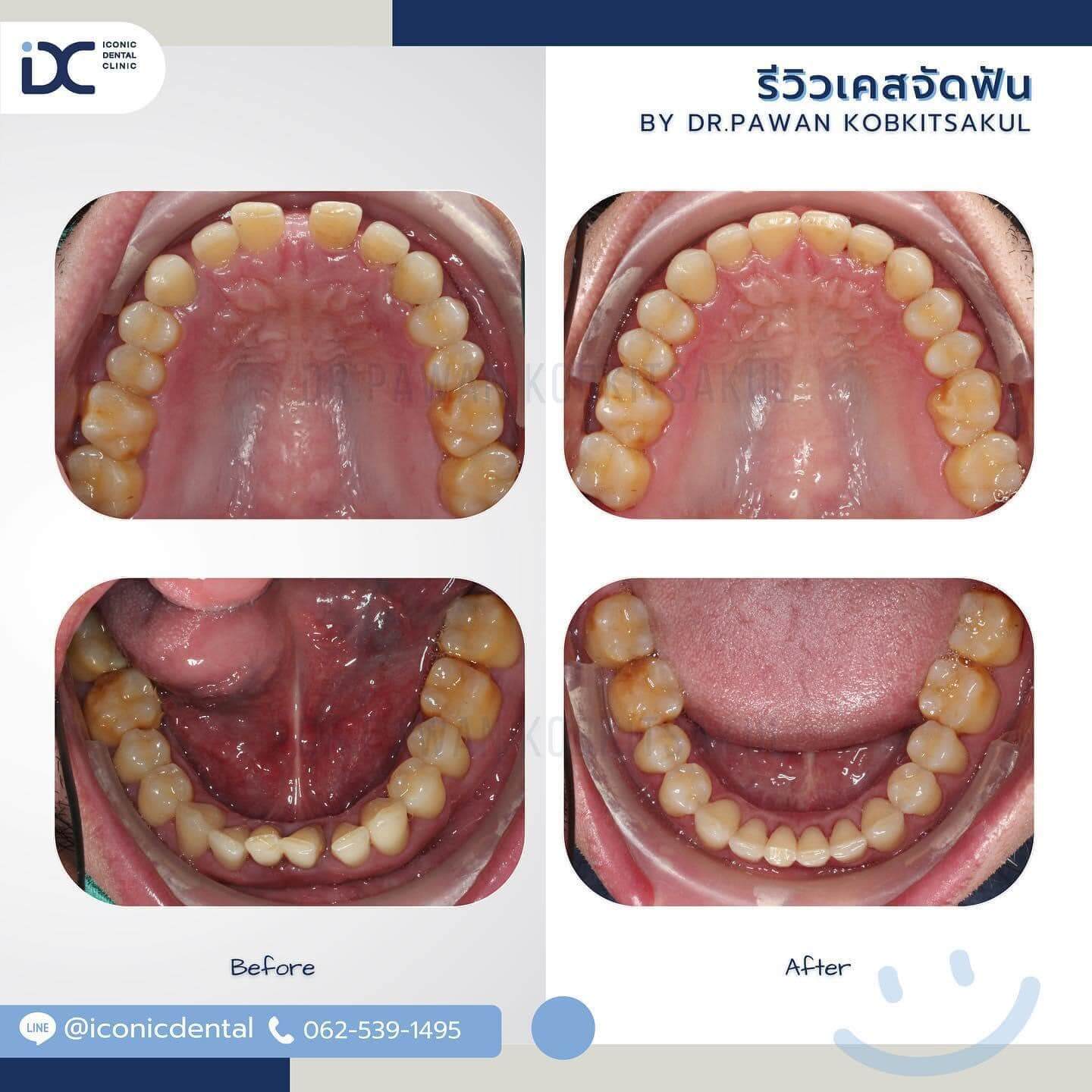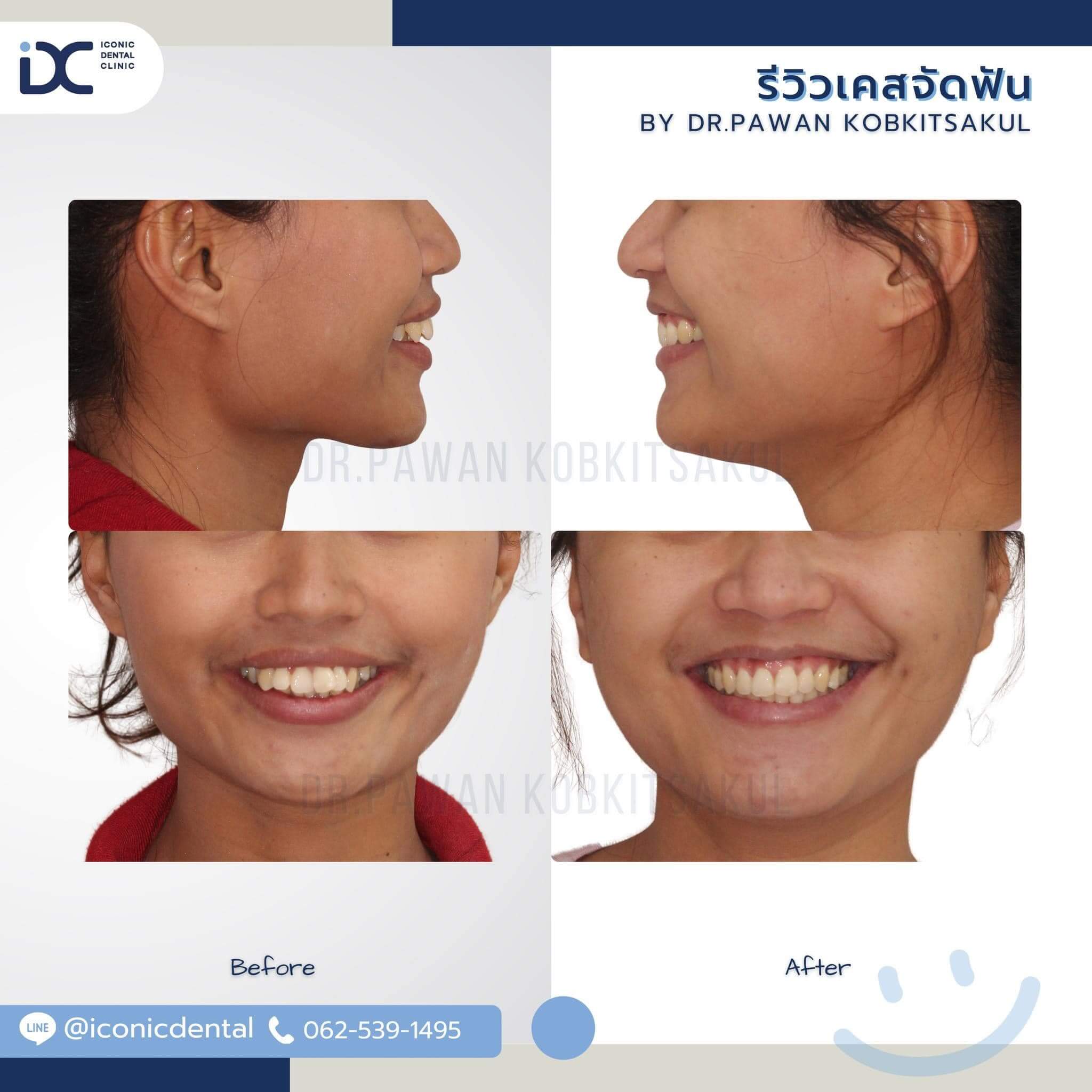
Orthodontics
Orthodontics

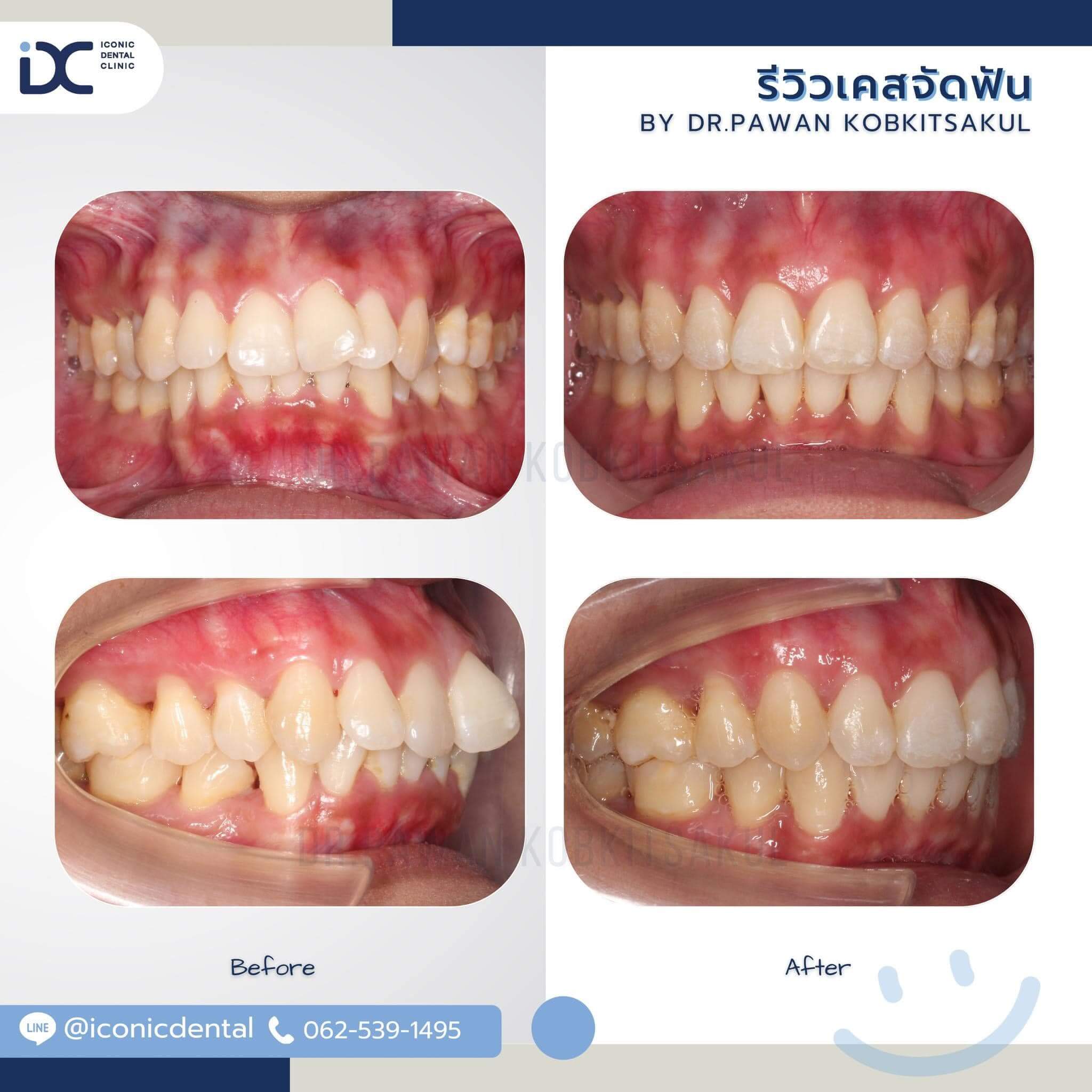
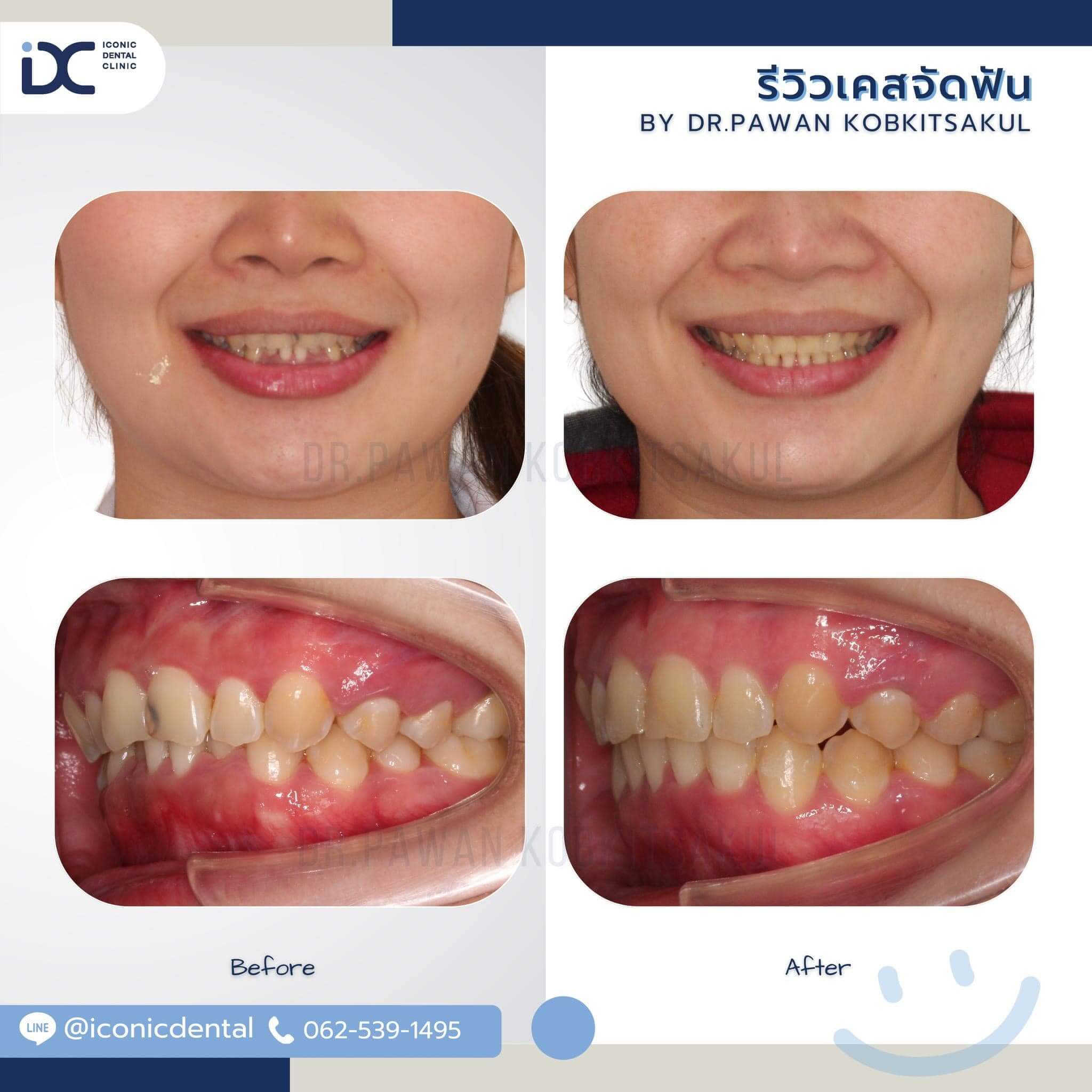
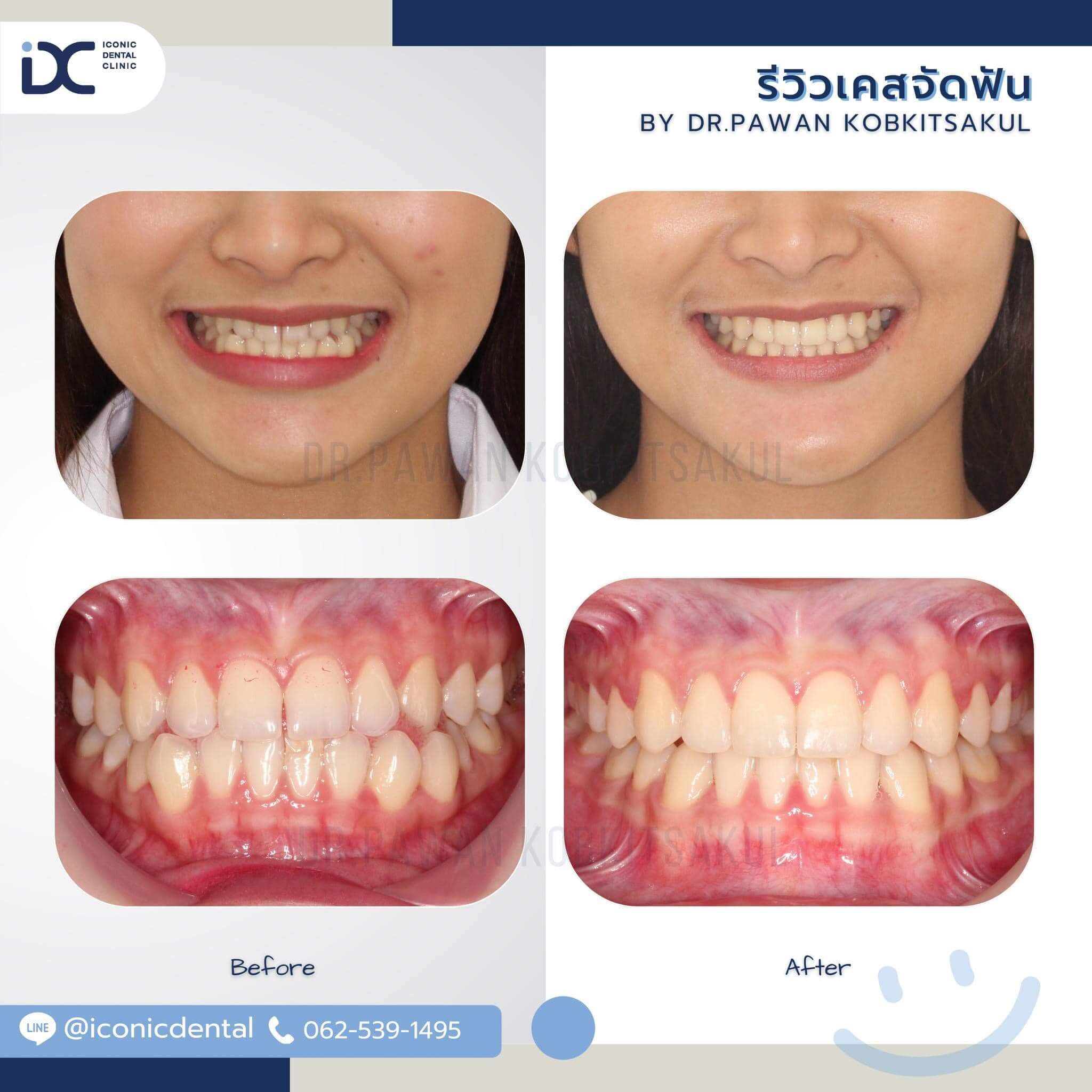
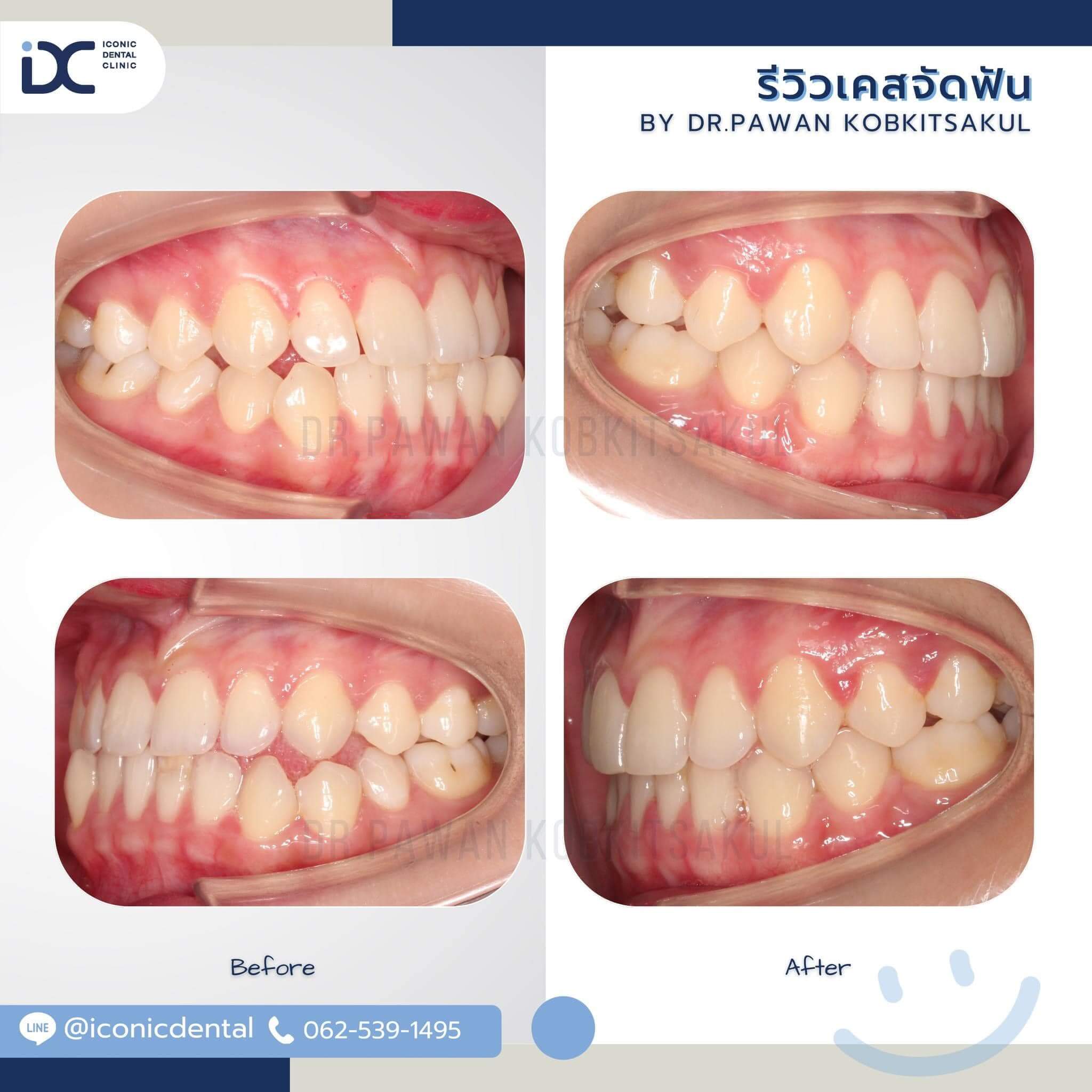
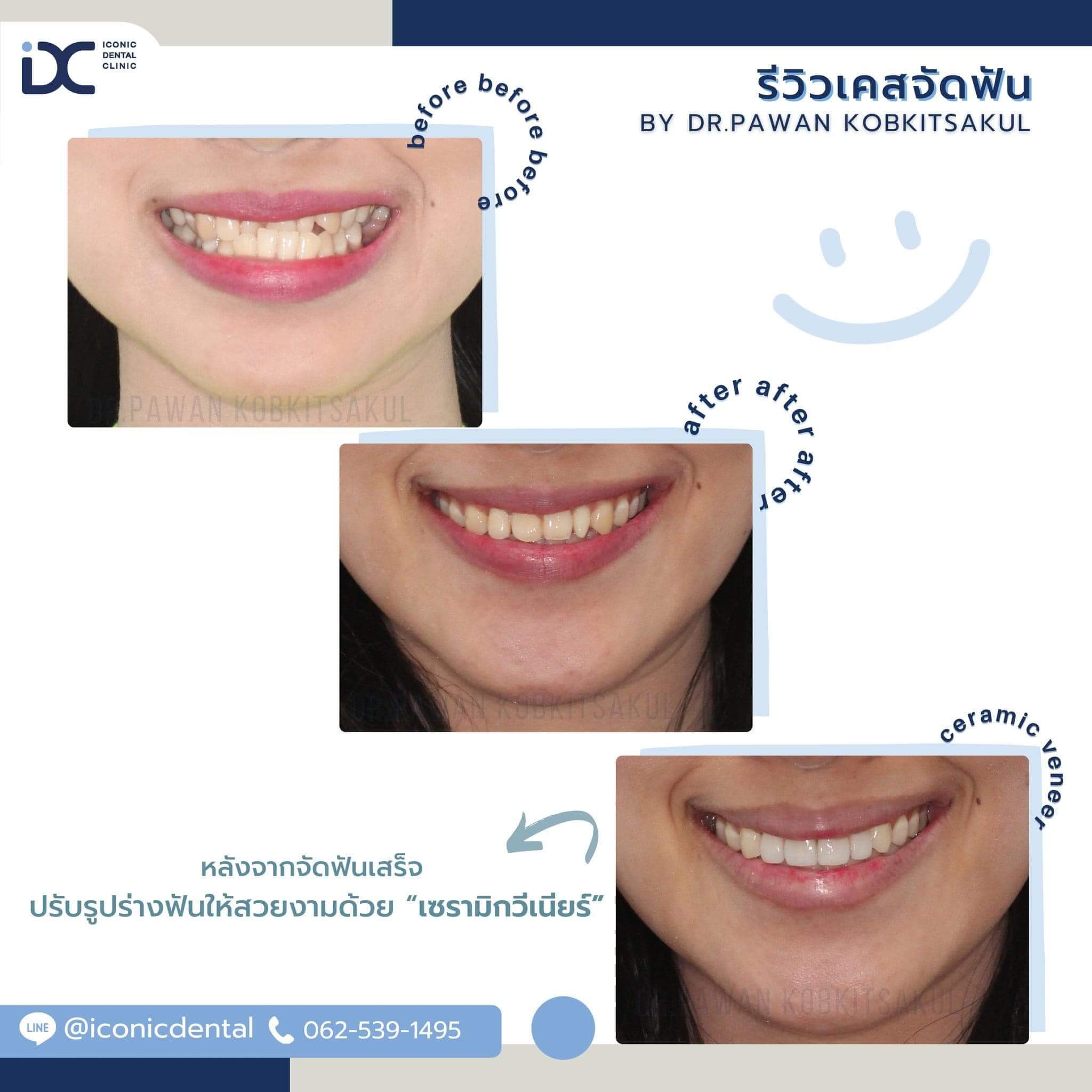
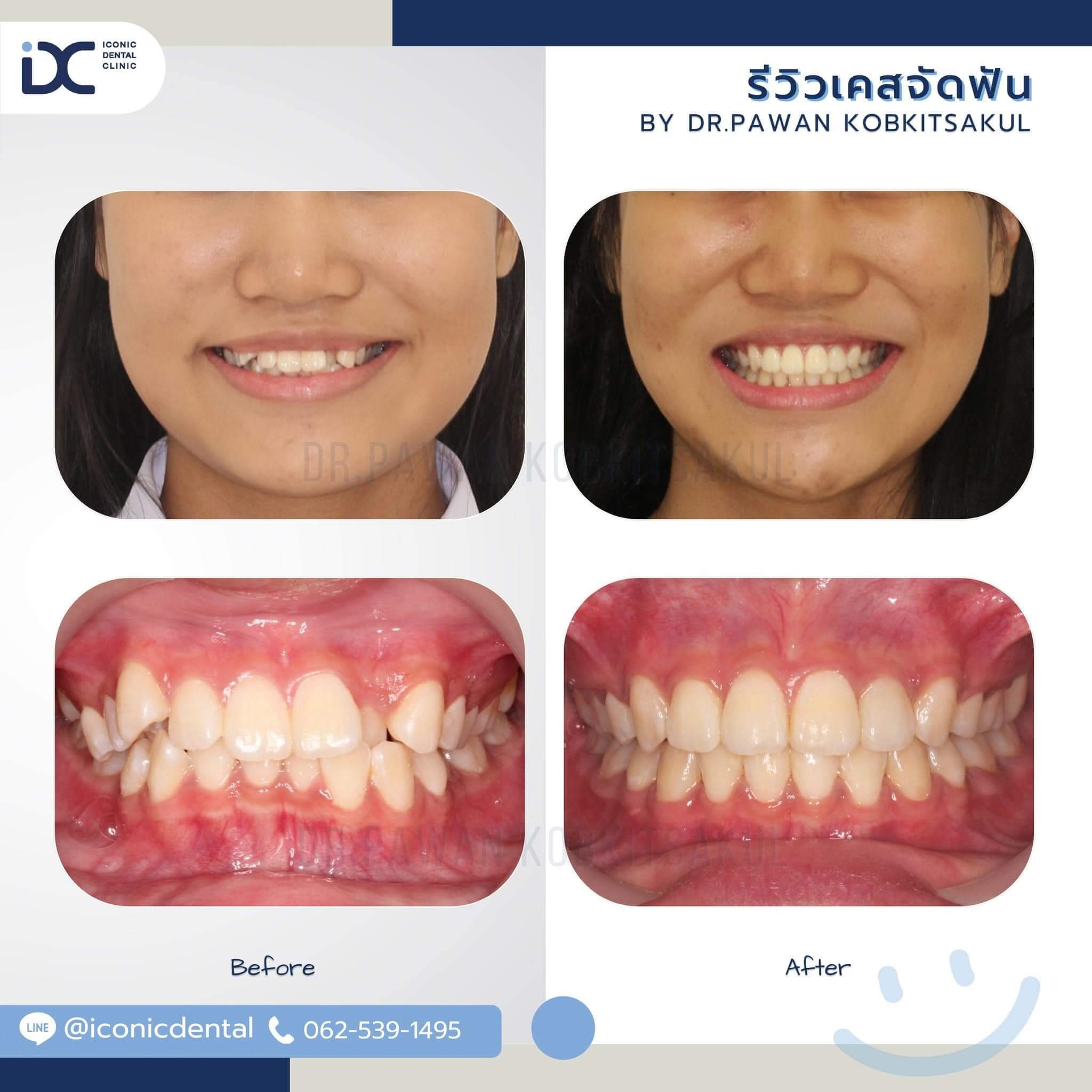
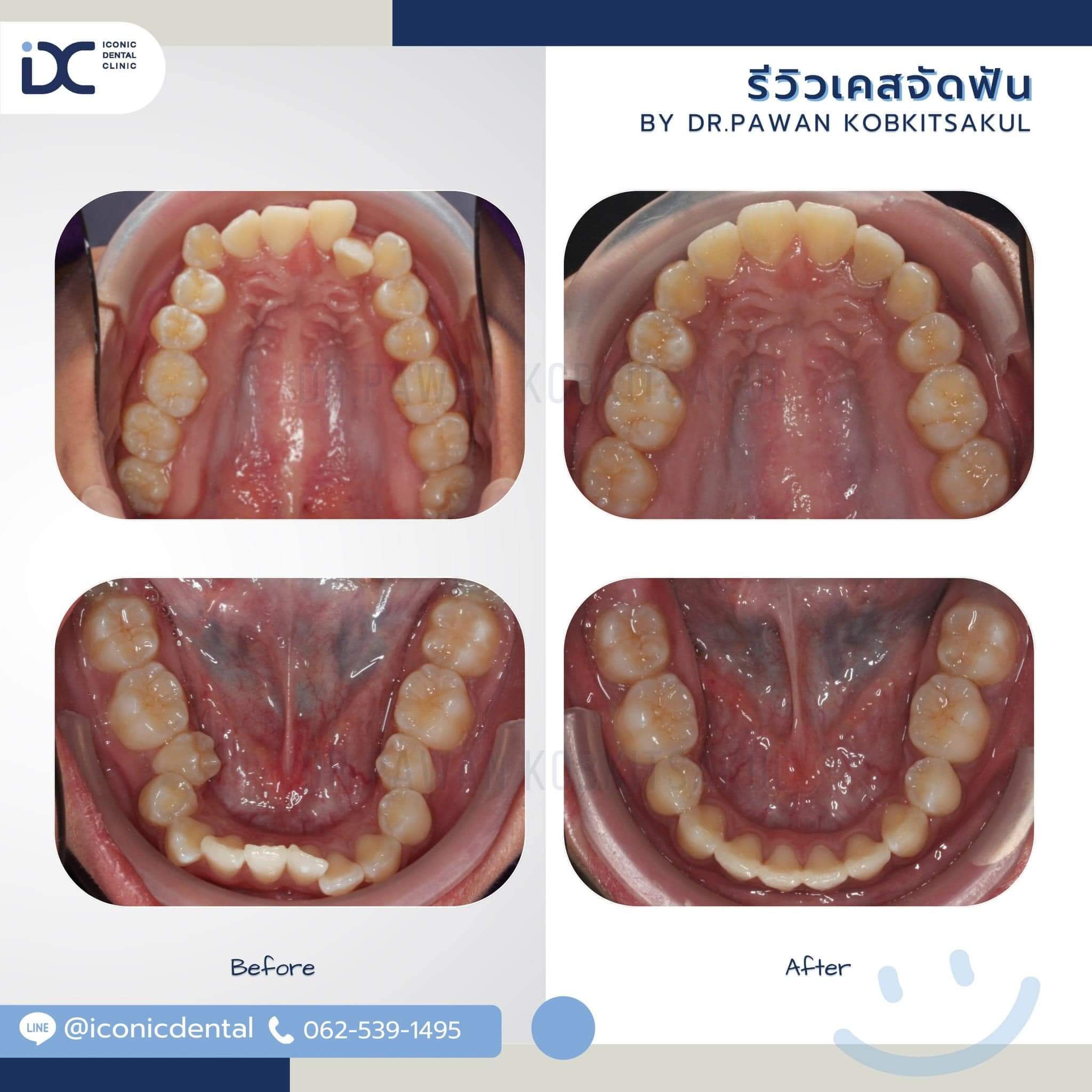
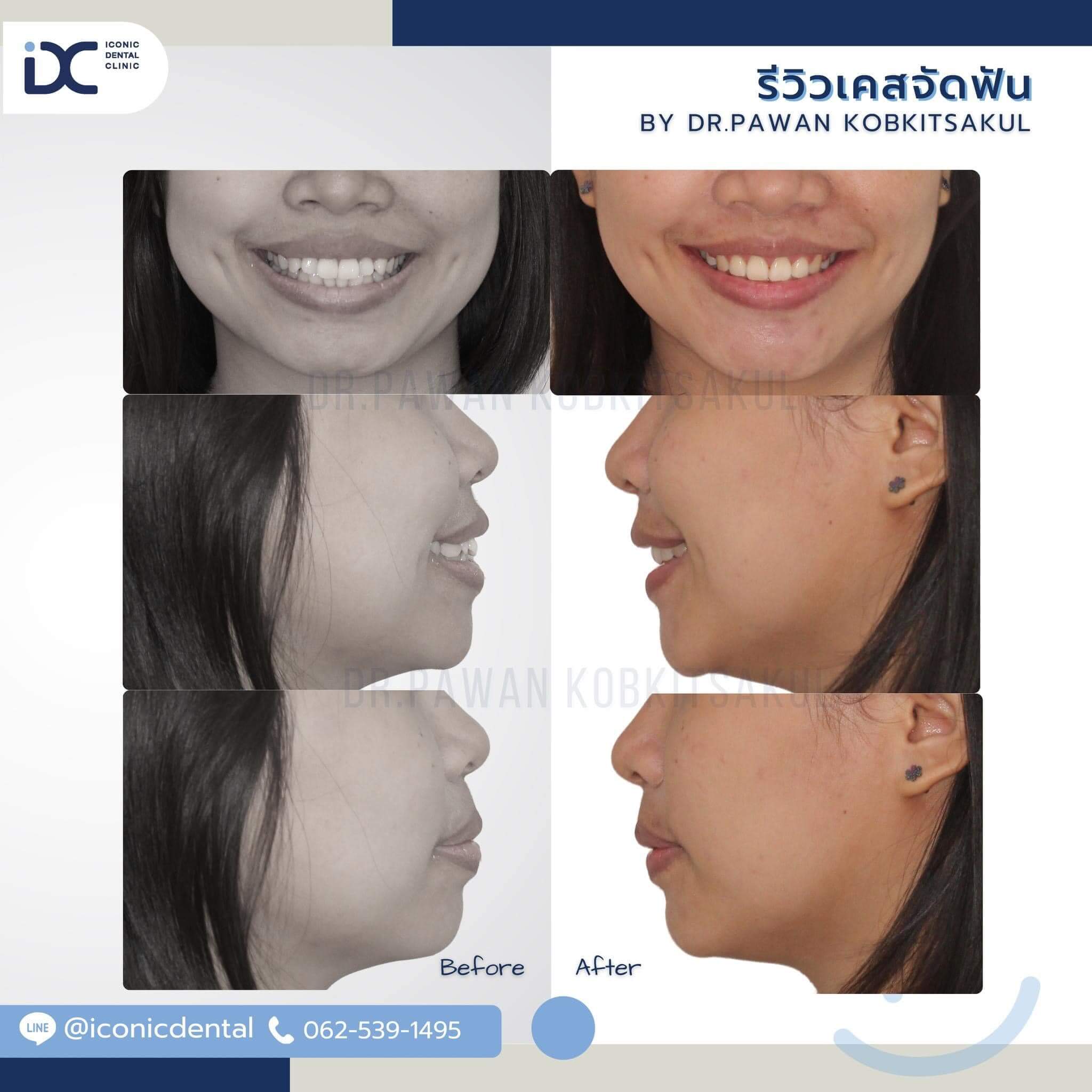
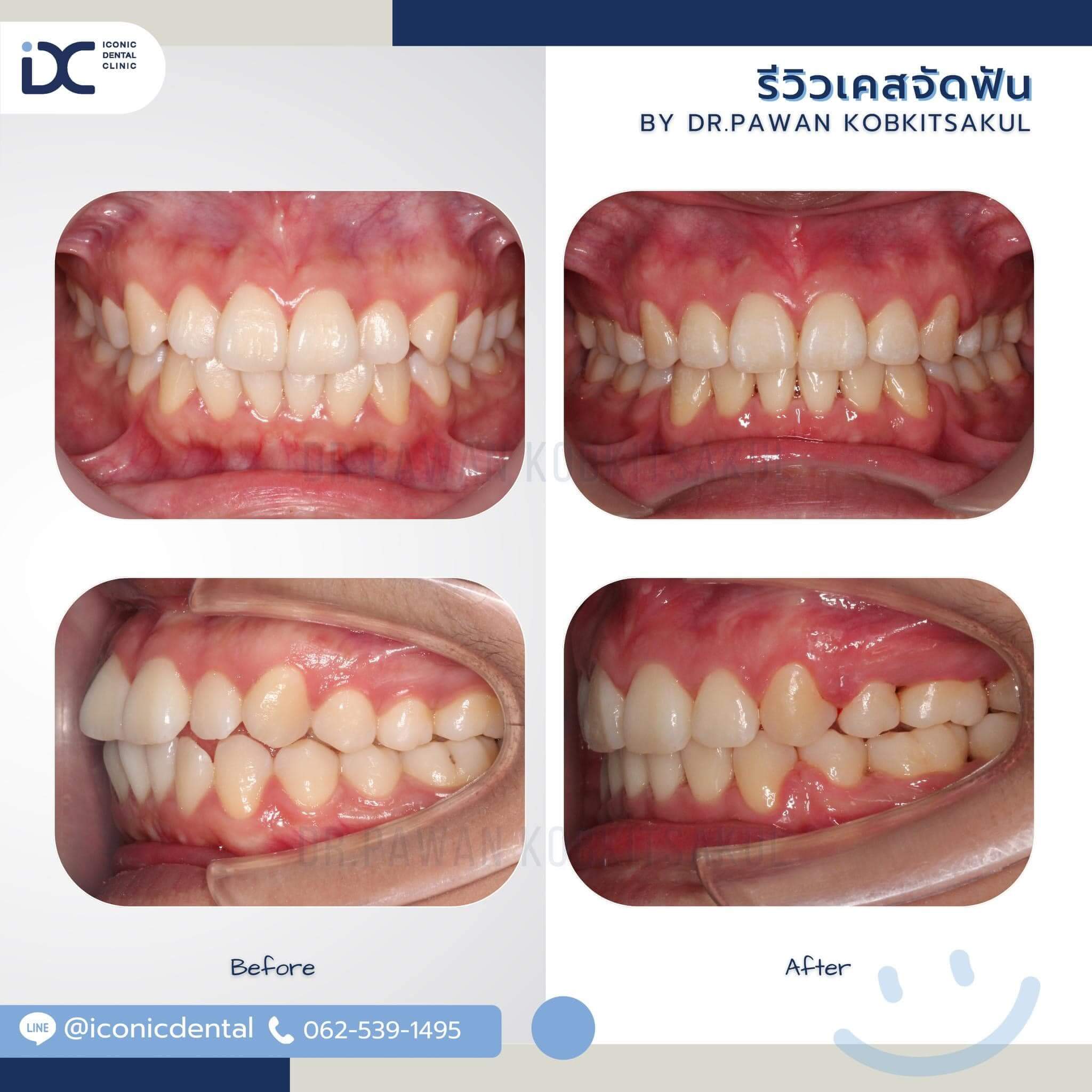
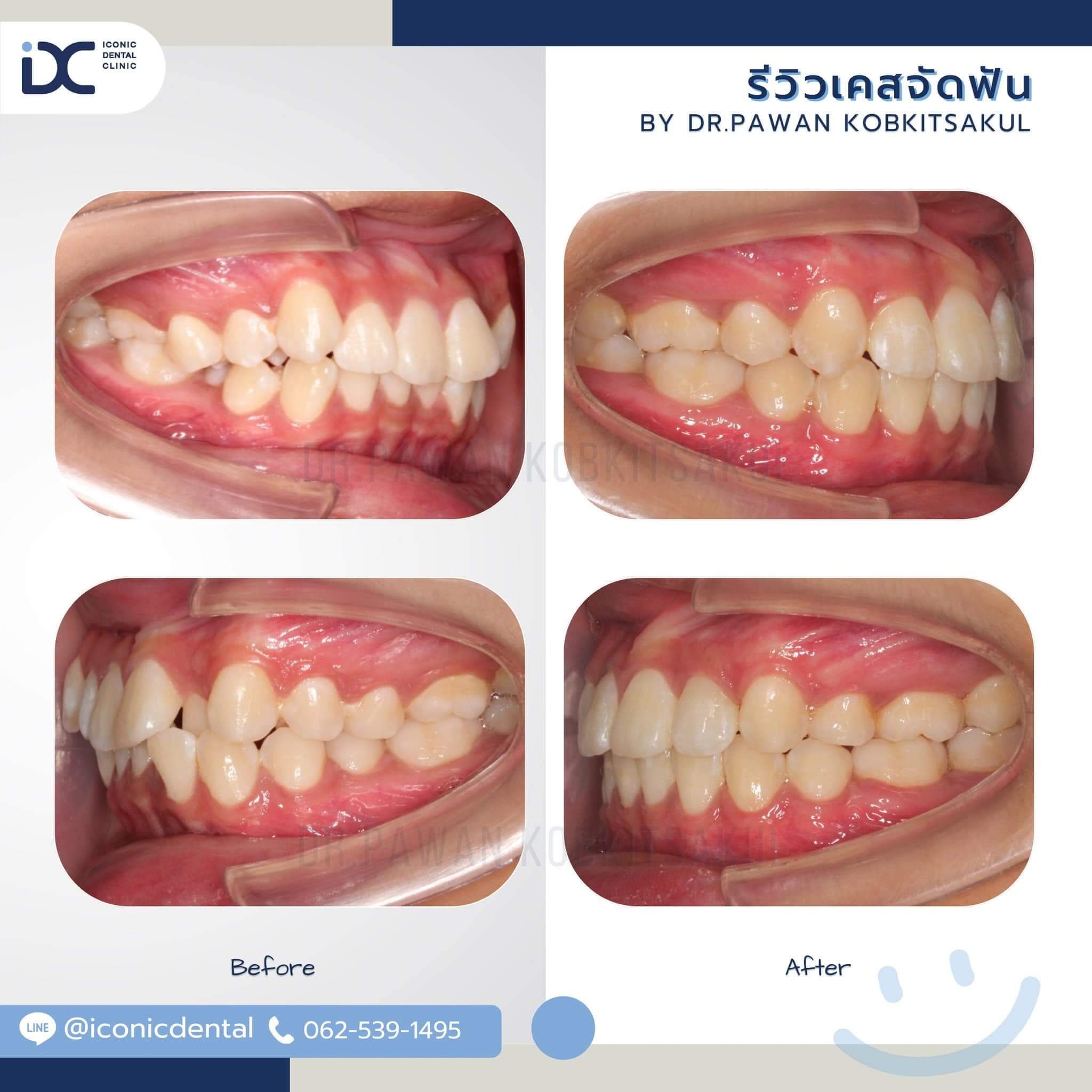
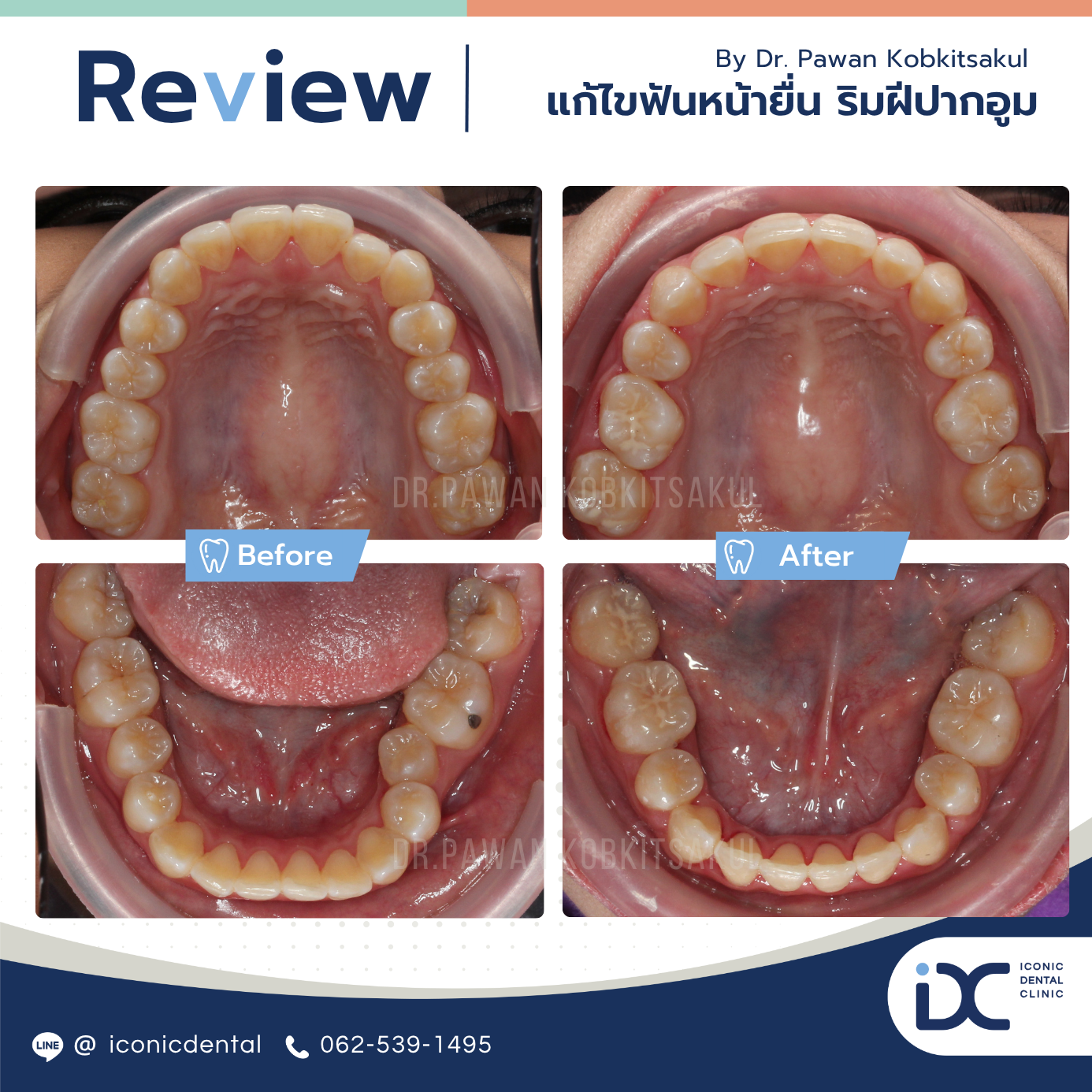
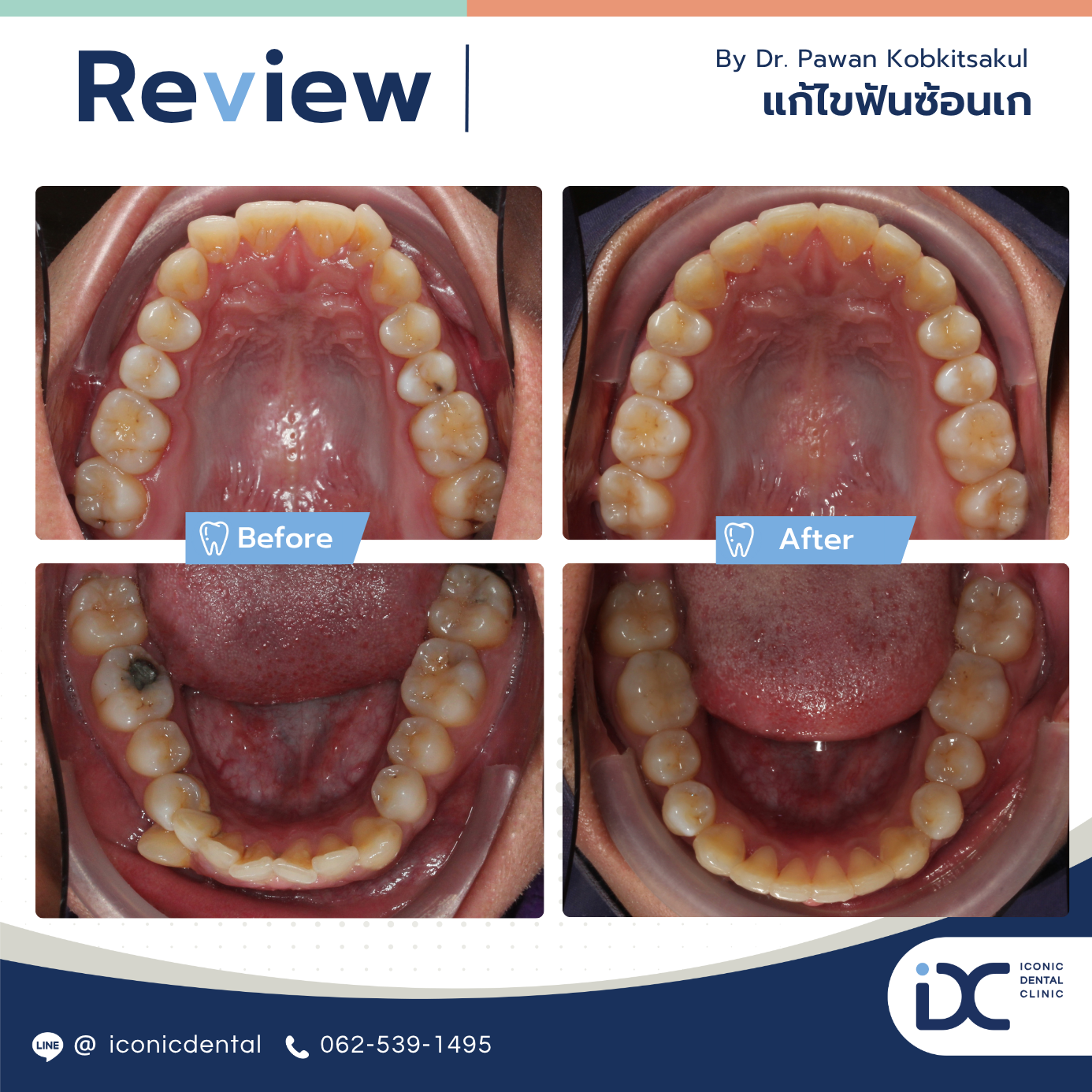
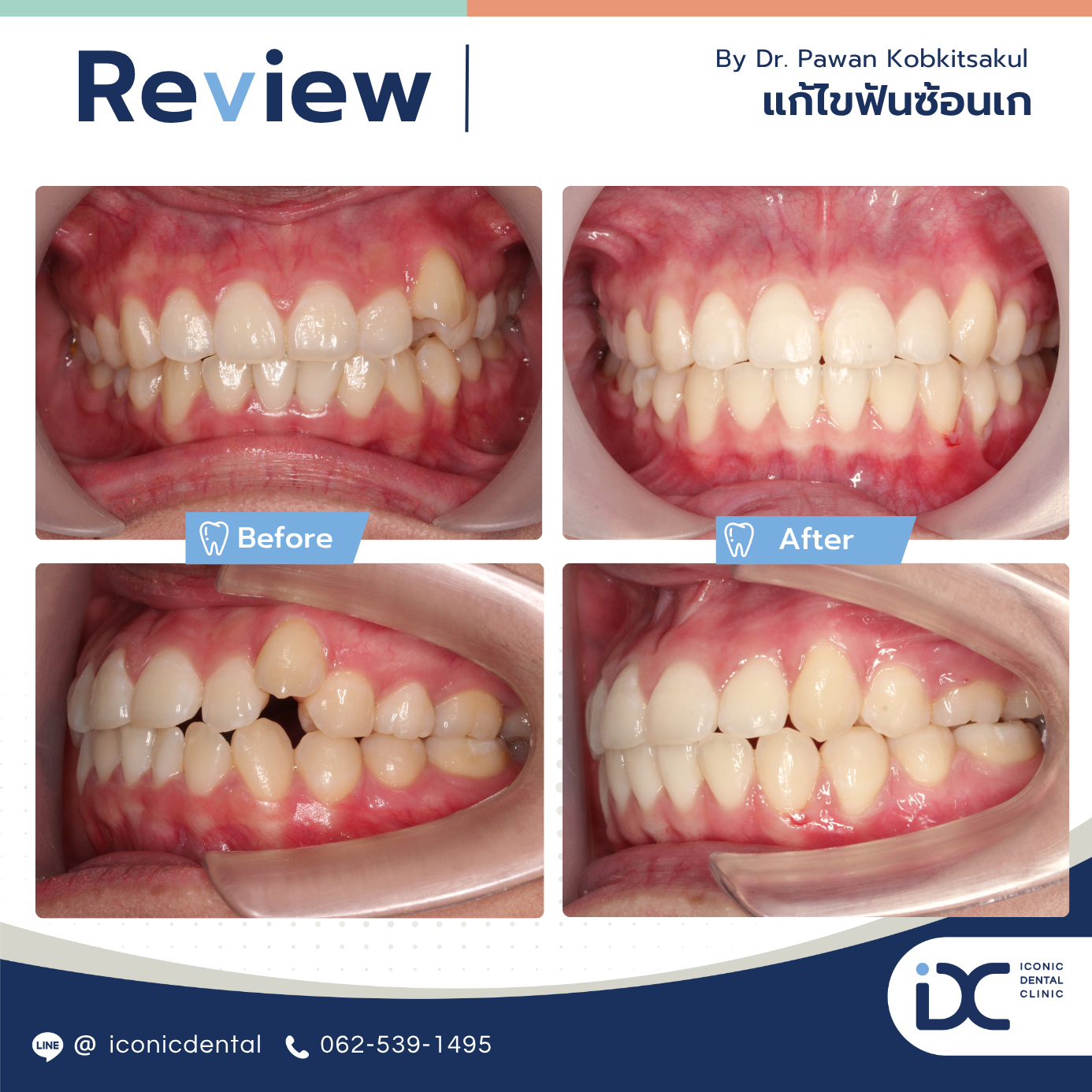
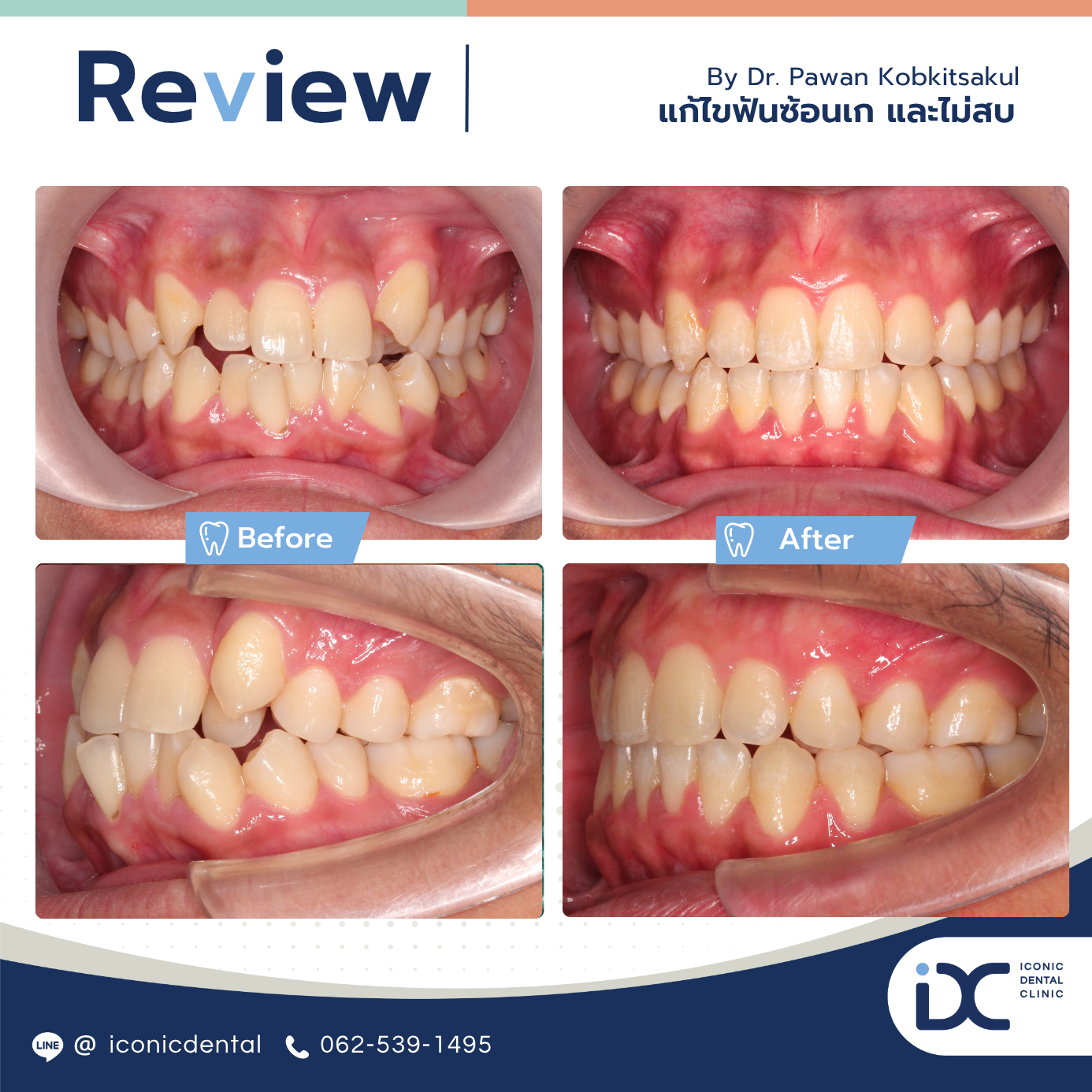
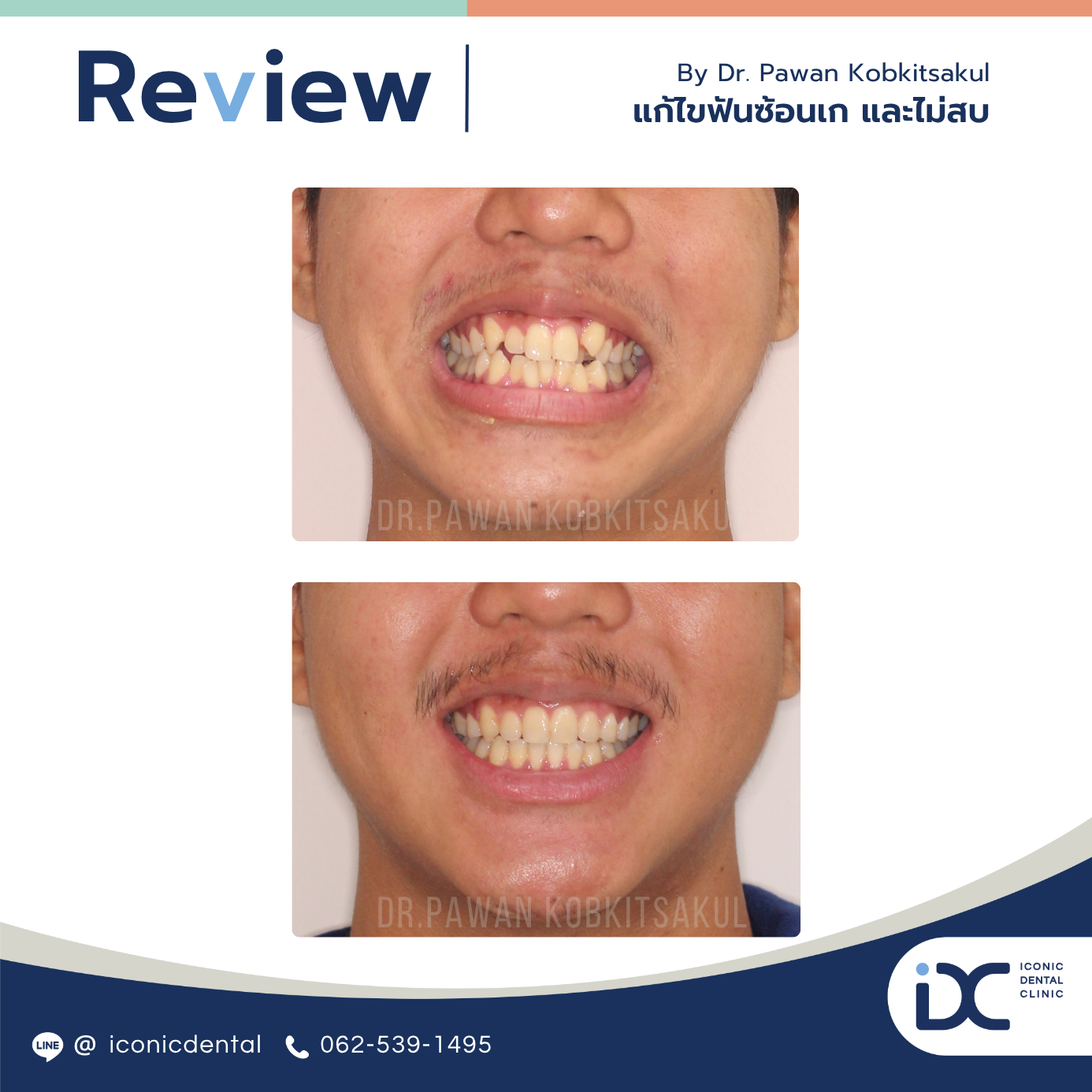
Orthodontic treatment is the process of repositioning teeth that are in improper positions, such as crooked teeth, deep bite, open bite, or protruding teeth, etc., in order to achieve better tooth alignment and proper positioning. This helps improve confidence in one’s smile, enhances chewing efficiency, and improves overall oral health.

Benefits of orthodontic treatment

Orthodontic treatment isn’t just about correcting cosmetic problems or tooth alignment; it offers numerous benefits to oral health and overall well-being. Orthodontics combines dentistry with the science of tooth movement and a deep understanding of jaw and facial bone structure. Therefore, orthodontic treatment is a comprehensive option with benefits far beyond what many realize.

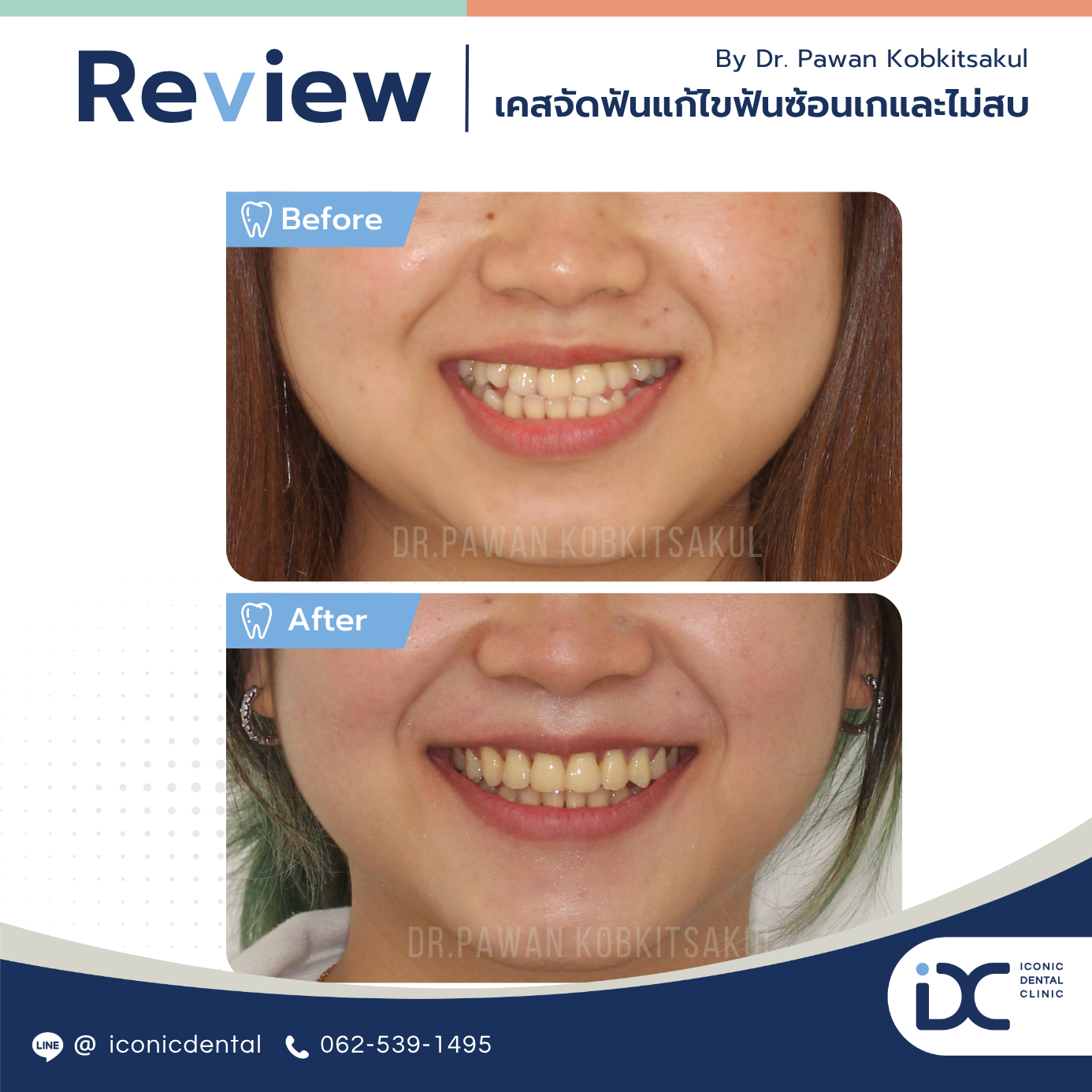
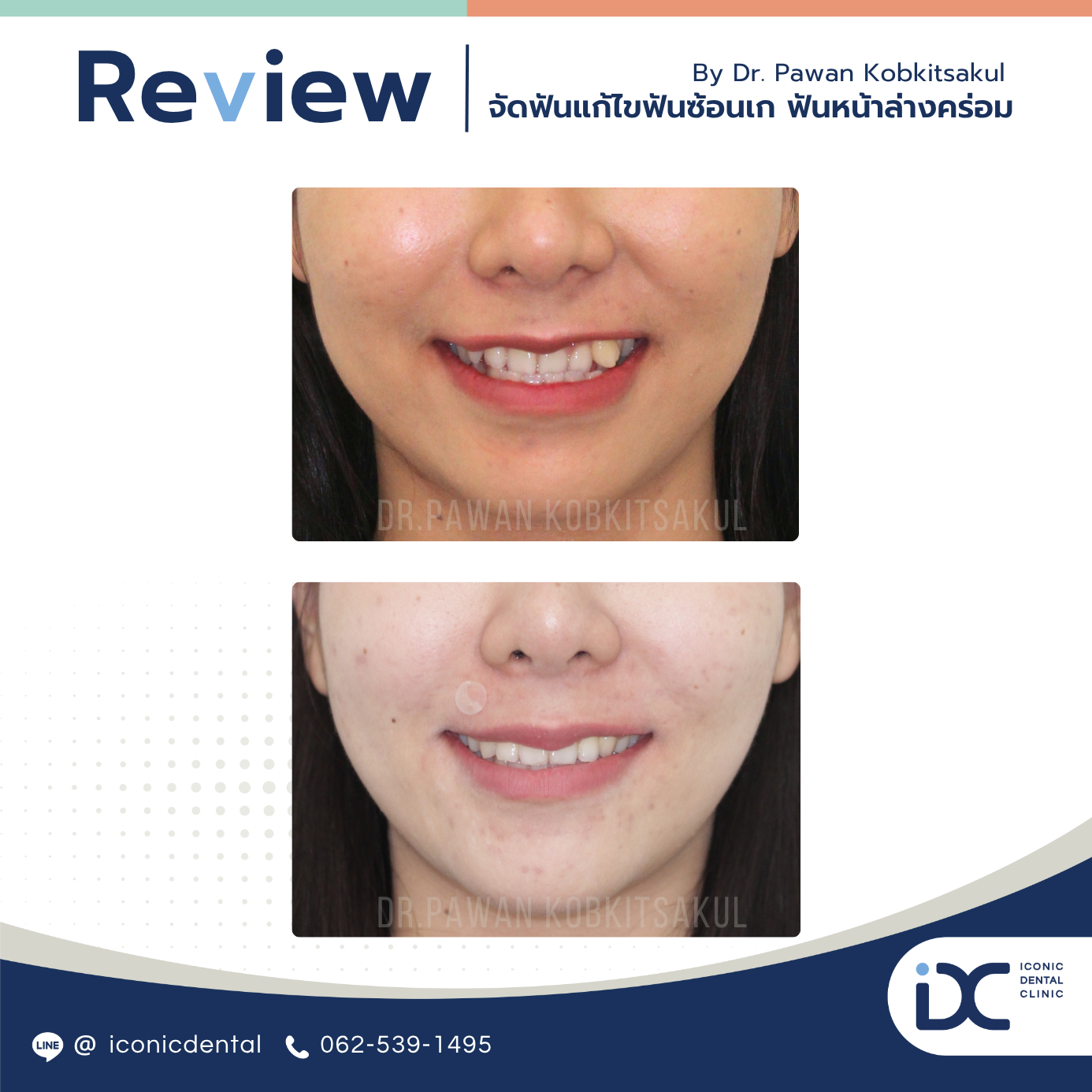
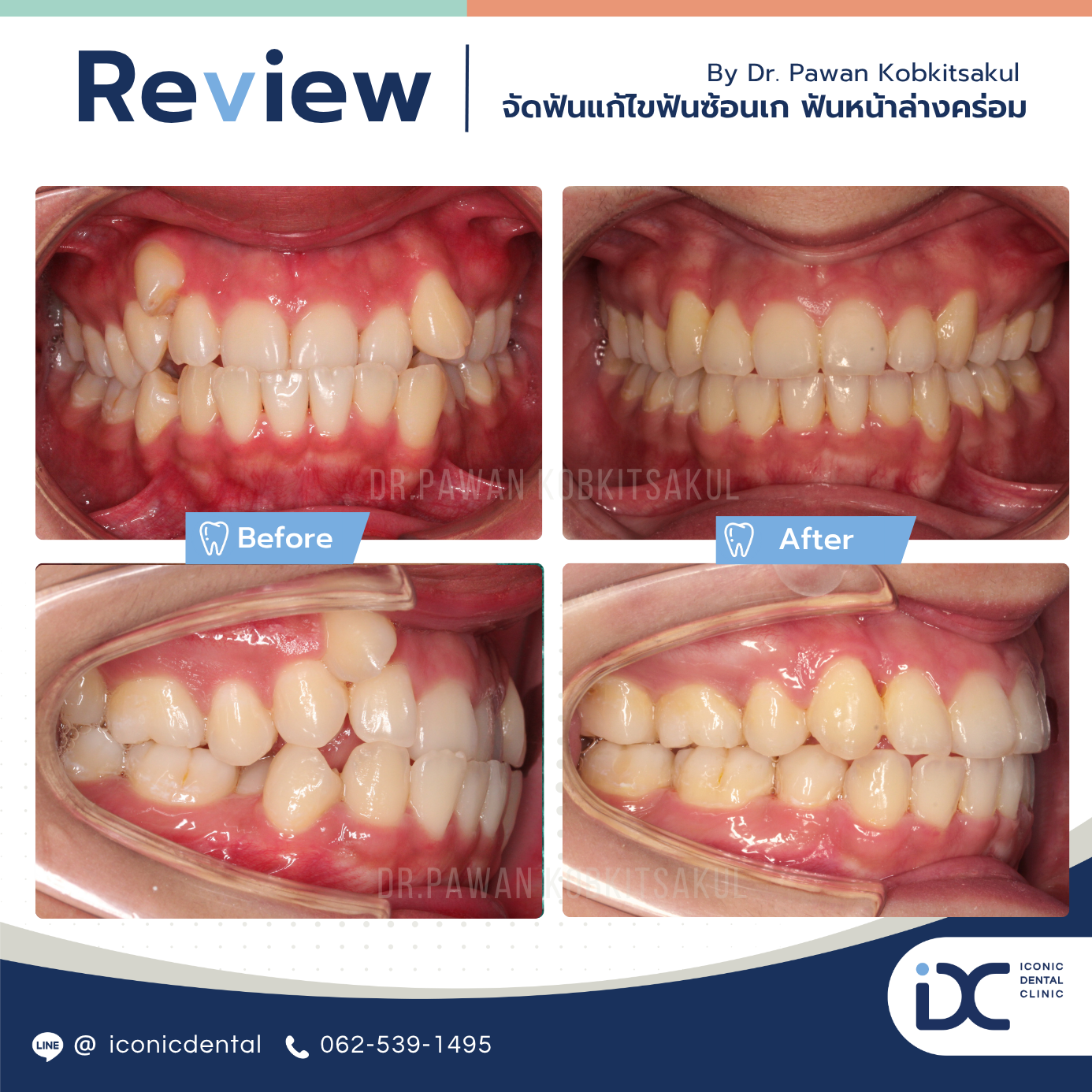
One of the most well-known benefits is improved appearance and self-confidence. Beautifully aligned teeth create a more striking smile and boost confidence, especially in today’s society where appearance impacts life, work, and relationships. Orthodontics can significantly enhance personality. People who previously kept their mouths shut or were afraid to smile due to concerns about crowded, crooked, protruding, or misaligned teeth can now confidently smile and improve their self-image after proper treatment.

Beyond aesthetics, orthodontics also improves bite efficiency and chewing performance. Misaligned teeth, such as crowded, spaced, deep bite, or open bite, can hinder proper chewing, sometimes leading to jaw pain or temporomandibular joint (TMJ) discomfort. Inadequate chewing can affect the digestive process in the stomach and intestines. Therefore, when teeth are properly aligned and bite together, the chewing process improves, reducing pain or discomfort in the long term. It also indirectly contributes to better digestive health.

Another significant advantage of orthodontic treatment is the reduction of other oral health problems such as cavities and gum inflammation. Misaligned teeth, such as crowded teeth or teeth that protrude excessively, can be difficult to clean. Small crevices or areas inaccessible to toothbrushes or dental floss can lead to the accumulation of plaque and tartar, eventually resulting in cavities or gum infections. Orthodontic treatment helps realign teeth, making cleaning easier and significantly reducing the likelihood of these problems.

In terms of speech, improper tooth and jaw alignment can cause unclear speech or problems pronouncing certain syllables. Orthodontic treatment can help realign the tongue, lips, and teeth, resulting in clearer speech and improved communication, especially in jobs requiring speaking or communicating with large groups of people, such as meetings, interviews, presentations, or general service roles.

Furthermore, orthodontic treatment is a long-term investment in oral health, as proper tooth alignment leads to improved overall well-being. Orthodontic treatment effectively helps prevent future problems such as cavities, gum inflammation, and temporomandibular joint (TMJ) issues. Wearing braces or any other appliance to realign teeth can take 1-3 years or more, depending on the complexity of the problem. However, the results can last for decades with proper post-treatment care, such as wearing retainers as advised by your dentist.

Ultimately, having beautifully aligned teeth is not just about aesthetics; it’s also about holistic health care. This encompasses facial structure, the chewing system, speech, and even image and personality. These are crucial components of daily life and affect self-confidence, happiness, and relationships with those around you. Therefore, orthodontic treatment is a comprehensive option that provides true long-term benefits.

Self-Assessment: Do You Need Braces?

For those wondering whether they need orthodontic treatment, a preliminary self-assessment can help provide an overview of your dental health and the necessity of treatment. This assessment is not a substitute for a professional diagnosis but serves as a guide. If you notice clear warning signs, you should consult a dentist promptly for a proper diagnosis and treatment plan.

1. Observe Tooth Appearance and Bite

Start by looking in the mirror to see if your teeth are neatly aligned. Are they crowded, crooked, or protruding significantly? Some people may have gaps (spacing issues) that cause a lack of confidence when smiling or talking. Additionally, observe your bite:

  • Deep Bite: The upper front teeth overlap the lower teeth too much, sometimes hiding them completely.

  • Open Bite: The upper and lower front teeth do not touch when the back teeth are biting together. These are primary indicators that braces may be a suitable option.

2. Difficulty Chewing Food

If you find that you cannot chew food thoroughly, have to chew many times, or experience jaw fatigue during meals, it may be due to an improper bite. Misaligned teeth prevent efficient biting and chewing, which can lead to facial muscle pain, jaw pain, or even discomfort around the ears. Braces help align the teeth correctly to resolve these issues.

3. Speech Problems or Lisps

Irregularly aligned teeth or a “malocclusion” (bad bite) can affect tongue placement and lip position during speech. This is especially true for sounds that require the tongue to touch the back of the front teeth (like “S” or “Z” sounds). If you feel your speech is unclear or notice air escaping while talking, your tooth alignment could be the cause.

4. Frequent Cavities or Gum Inflammation

Recurring cavities or gingivitis can be a sign of misaligned teeth. Crowding creates tight spots where toothbrushes and floss cannot reach, leading to plaque buildup. If left untreated, this can cause gum disease, tooth decay, and potential tooth loss in the future. Orthodontic treatment aligns the teeth to make daily cleaning much easier.

5. Self-Confidence and Personality

For some, minor dental issues may not impact physical health significantly but can severely affect self-confidence. You might feel shy when speaking or smiling, cover your mouth when laughing, or avoid certain angles in photos to hide protruding or crowded teeth. Braces help align teeth to standard norms, boosting confidence and enhancing your overall personality in the long run.

6. Consult a Specialist

While self-observation provides an overview, consulting an Orthodontist is the most crucial step. A specialist will perform a detailed evaluation of your teeth, jaw, and facial structure using X-rays or dental models for an accurate diagnosis. This leads to a customized treatment plan, whether it involves traditional metal braces, Damon braces, clear aligners (Invisalign), or other necessary techniques.

7. Evaluate Your Commitment and Time

Orthodontics is not just about aesthetics; it requires time and patience. Treatment can last anywhere from 1 to 3 years (or more) depending on the complexity of the case. You must be able to attend regular appointments for adjustments and maintain strict oral hygiene—including proper brushing and flossing. Your discipline and commitment are vital to the success of the treatment.

Service fee 40,000 - 220,000 baht

Types of orthodontic treatments

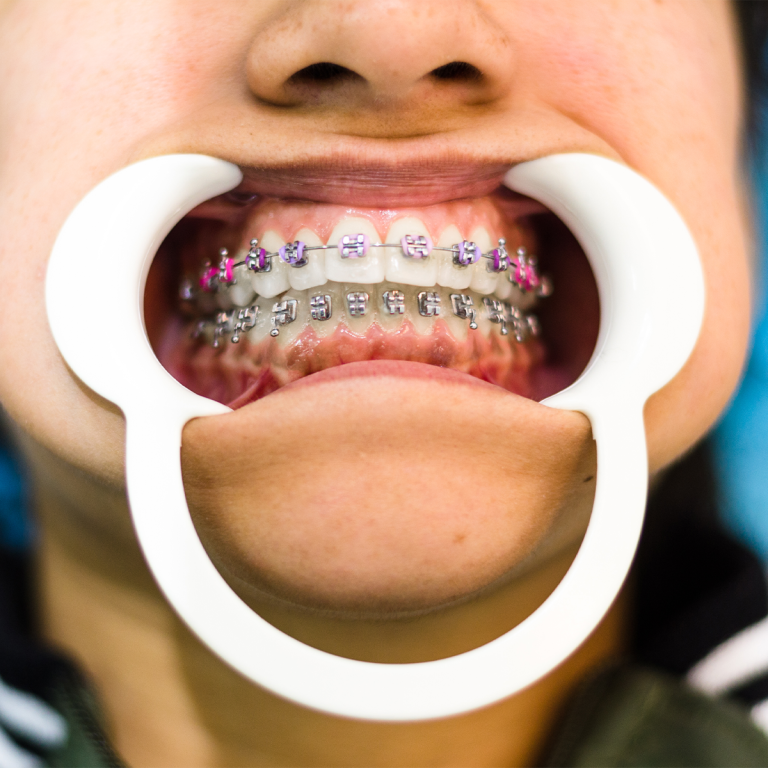
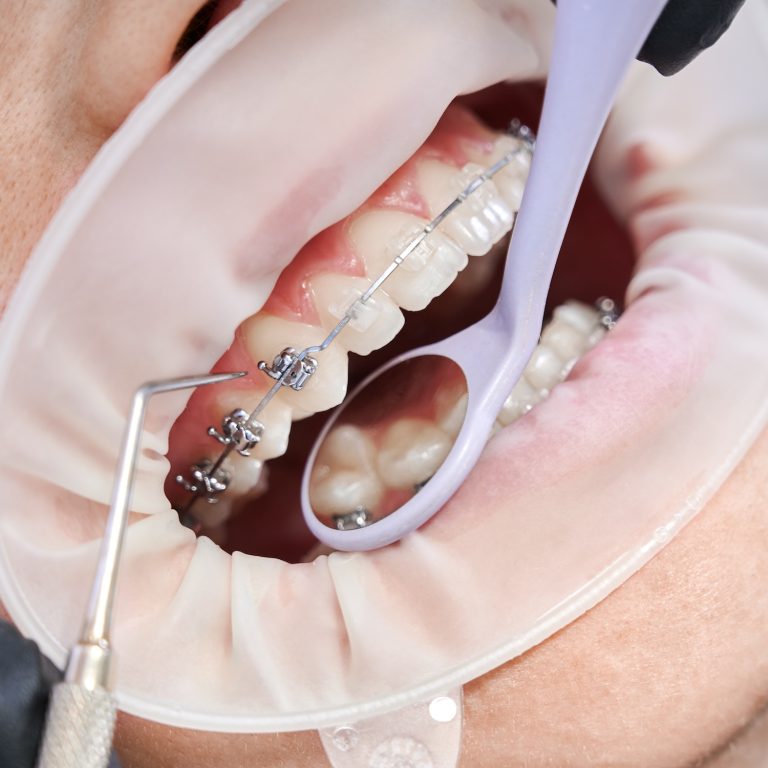
Metal Braces

Metal Braces

40,000 - 45,000 THB

This is a long-established and widely trusted orthodontic treatment method. The appliance consists of durable, high-strength metal brackets designed for reliability and effectiveness. It is also more cost-effective compared to other types of orthodontic treatments, making it an excellent option for individuals seeking affordable teeth alignment solutions. Although the brackets are visibly noticeable, this method delivers efficient and timely tooth alignment results.


Damon Braces

Damon Braces

50,000 - 80,000 THB

This is an advanced orthodontic technology that utilizes a specialized appliance featuring a self-ligating system, eliminating the need for elastic ties. As a result, tooth movement occurs more gently, reducing discomfort and pain during treatment.

In addition, this system can help shorten the overall treatment duration and decrease the number of required dental visits, making it especially convenient for individuals with busy lifestyles.

Damon braces are also available in tooth-colored options, offering a more natural appearance and making them well-suited for patients who prioritize aesthetics throughout their orthodontic treatment.


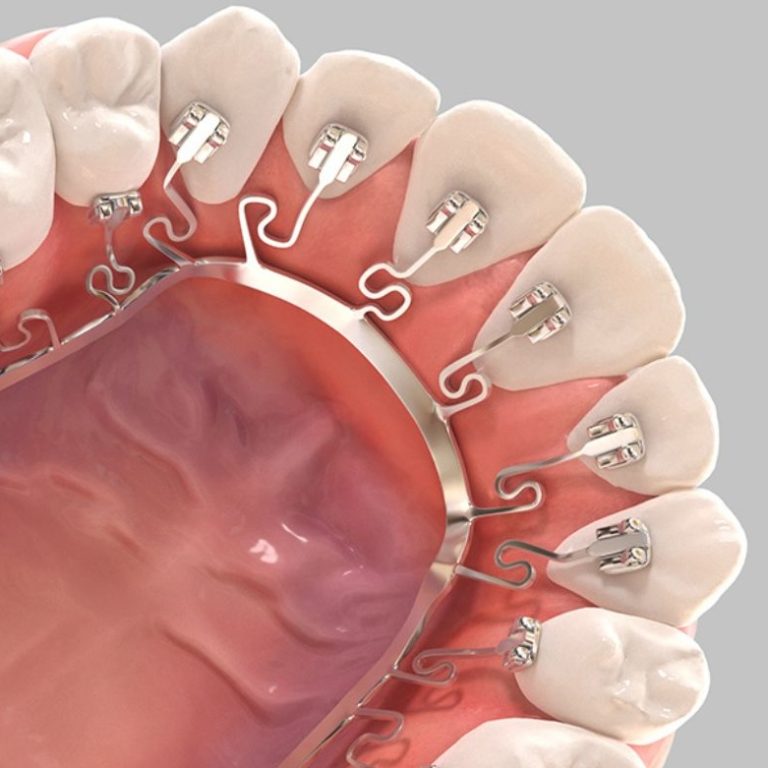
Lingual Orthodontics – Brava by Brius

Lingual Orthodontics – Brava by Brius

เริ่มต้น 220,000 THB

It represents the next level of orthodontic innovation, designed to enhance patient comfort, simplify treatment processes, and save valuable time. One of its most distinctive advantages is that the appliance remains completely hidden, helping boost confidence throughout the treatment journey.

In addition, it is designed to reduce overall treatment time, making it an excellent option for individuals who wish to achieve a beautiful smile more quickly—without waiting years for results. The system typically requires fewer dental visits, as a single customized appliance is used throughout the course of treatment, offering greater convenience and easier adaptation.

As a modern innovation that seamlessly integrates advanced technology with thoughtful design, Brava by Brius transforms orthodontic care into a more comfortable and worry-free experience. For those seeking an orthodontic solution that prioritizes aesthetics, efficiency, and convenience, lingual treatment with Brava by Brius is a highly compelling choice.

Invisalign Clear Aligners

Invisalign Clear Aligners

80,000 - 160,000 THB

Invisalign is one of the most preferred orthodontic solutions for many individuals, thanks to its key qualities: clear, comfortable, and removable. This innovative approach helps minimize complexity and alleviates aesthetic concerns during treatment.

It also supports better oral hygiene, as the aligners can be removed for brushing and cleaning as needed. As a result, teeth can be aligned effectively without disrupting your daily lifestyle.

For those seeking an orthodontic solution that seamlessly fits into their routine with minimal lifestyle adjustments, clear aligner treatment is an exceptionally attractive option.


Surgical Orthodontics

Surgical Orthodontics

60,000 - 80,000 THB

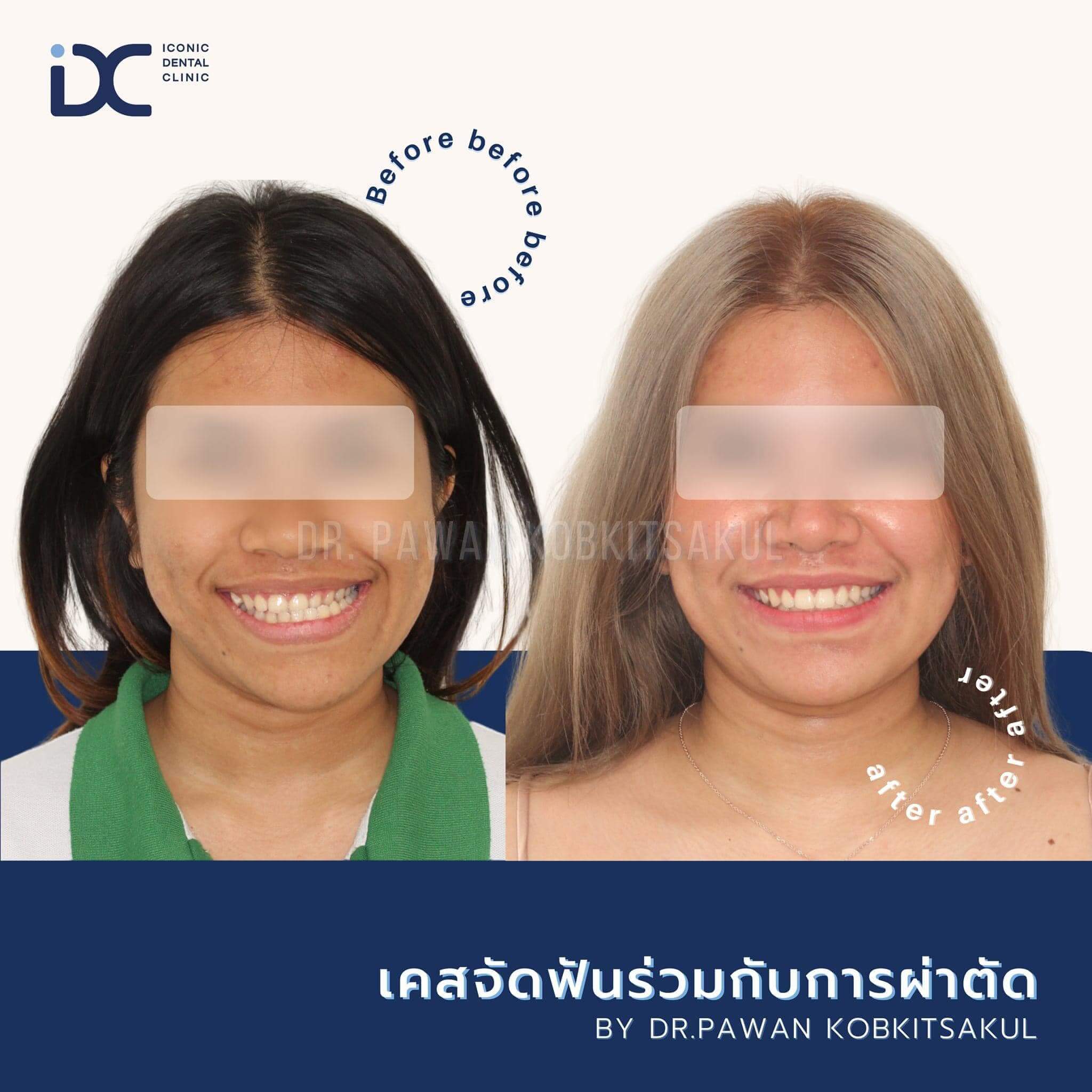
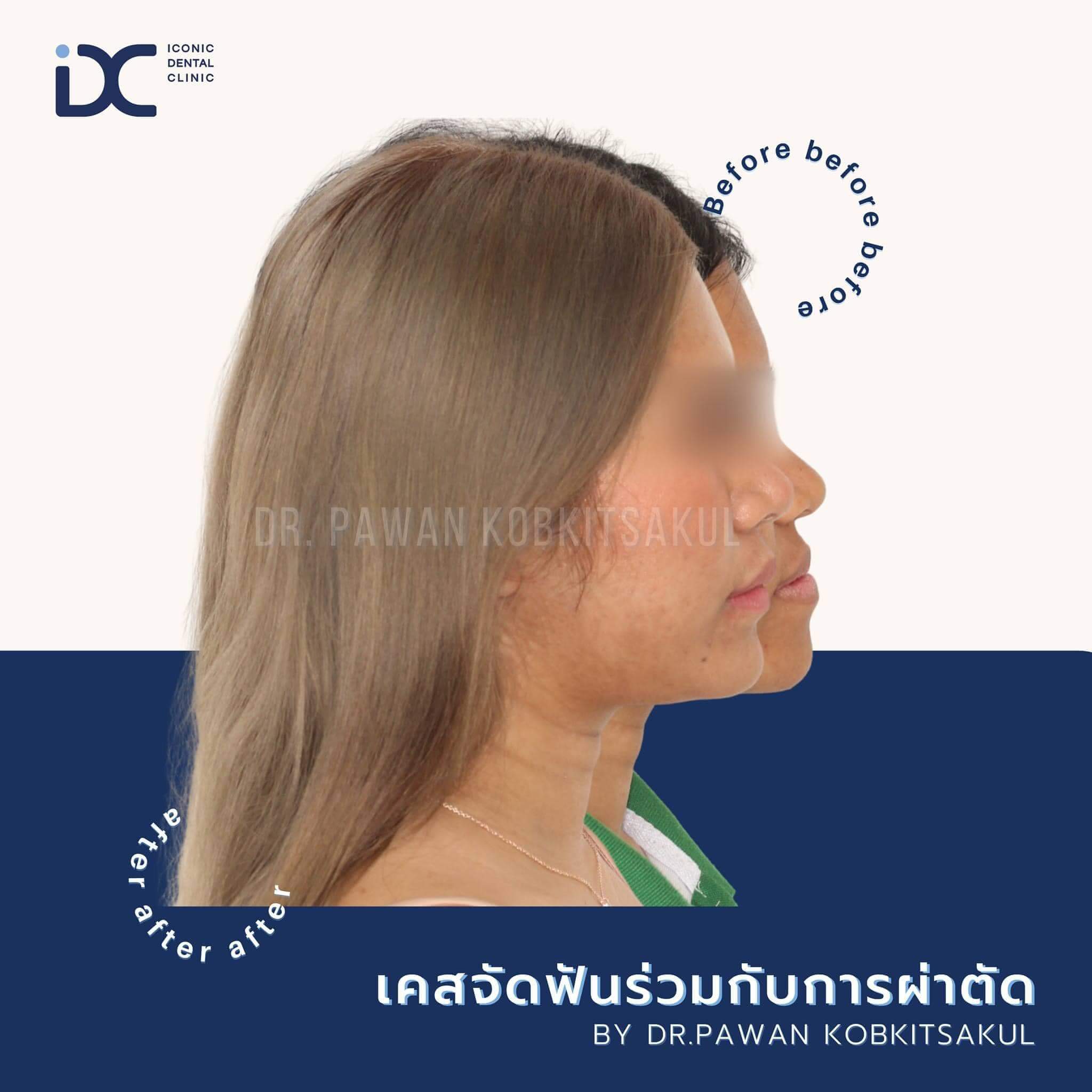
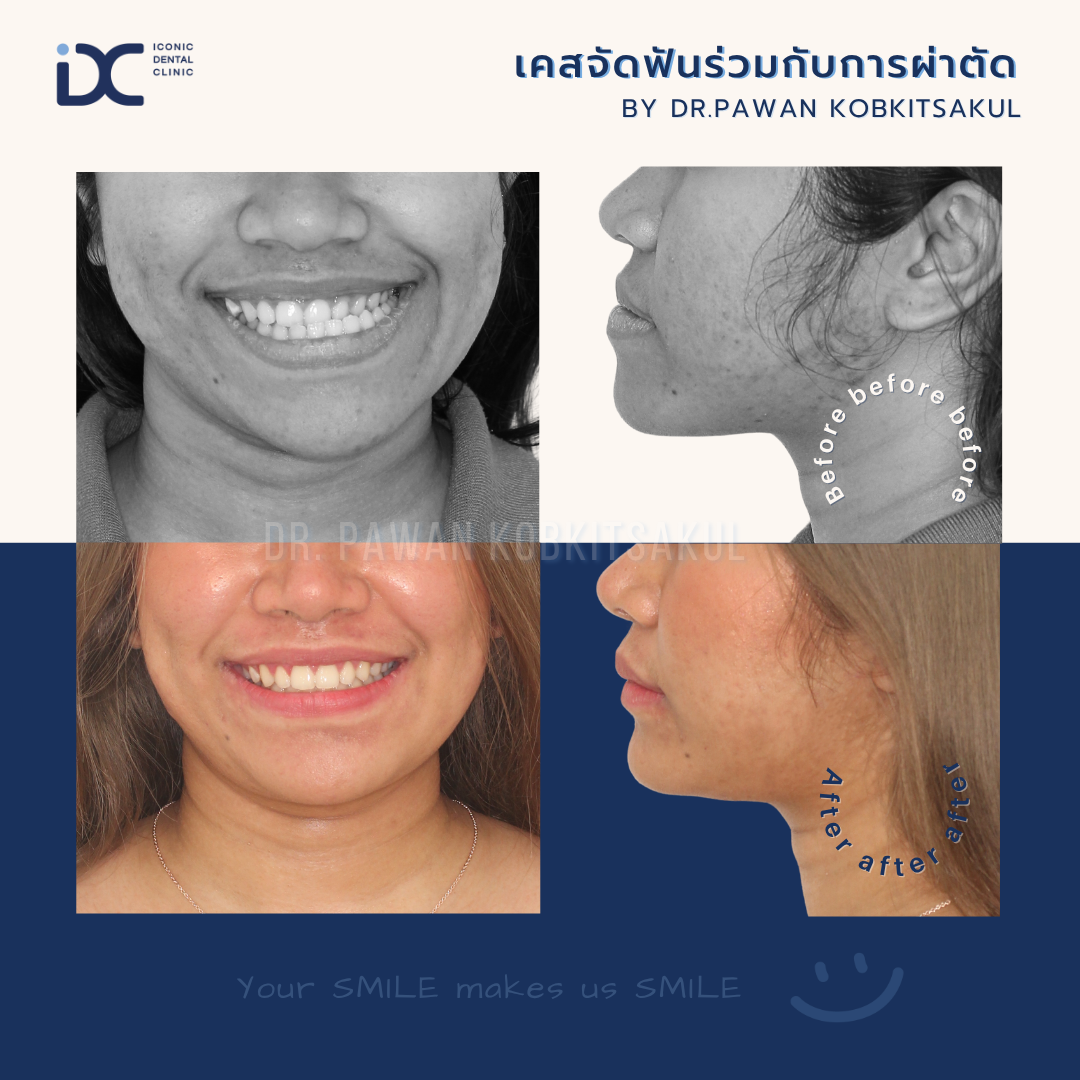
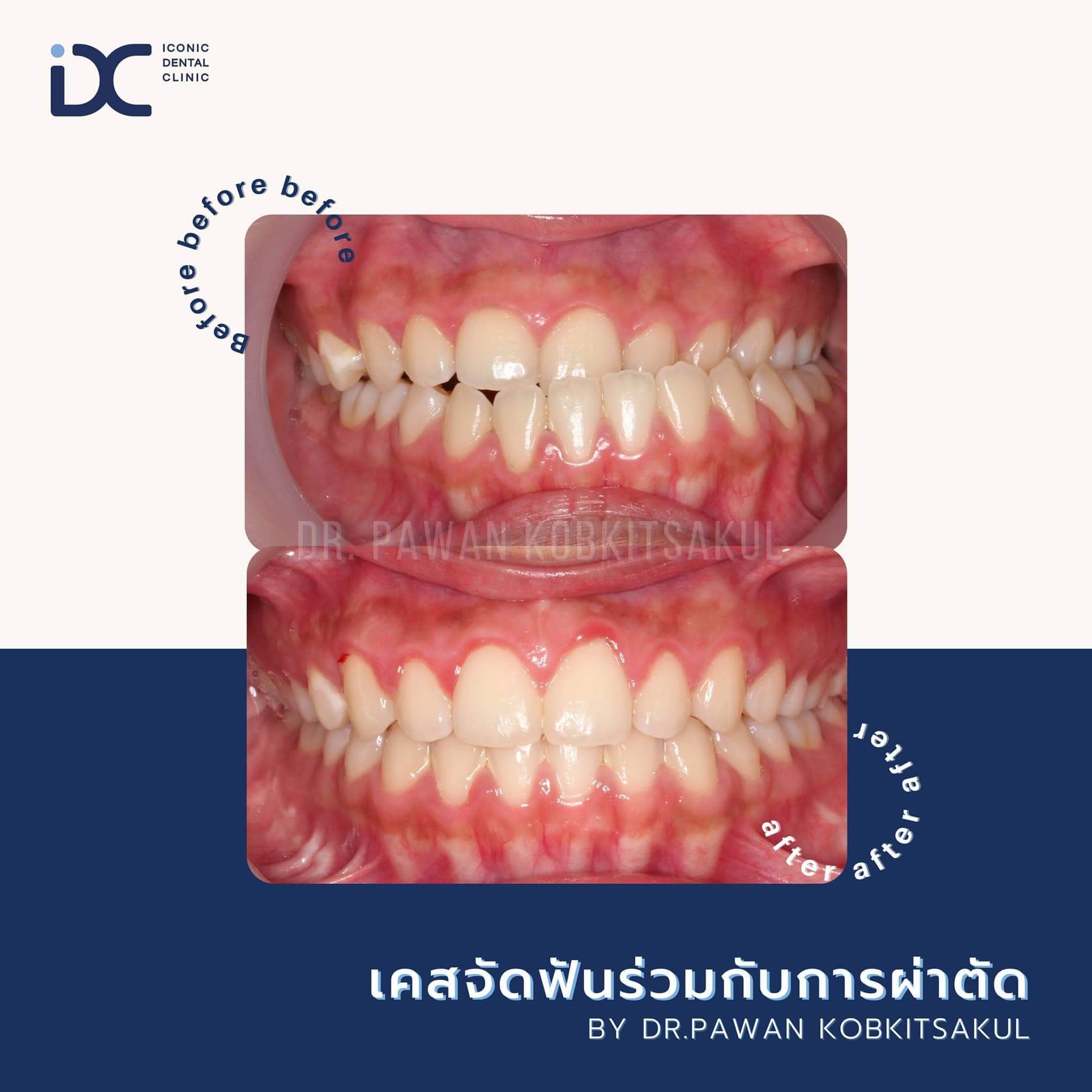
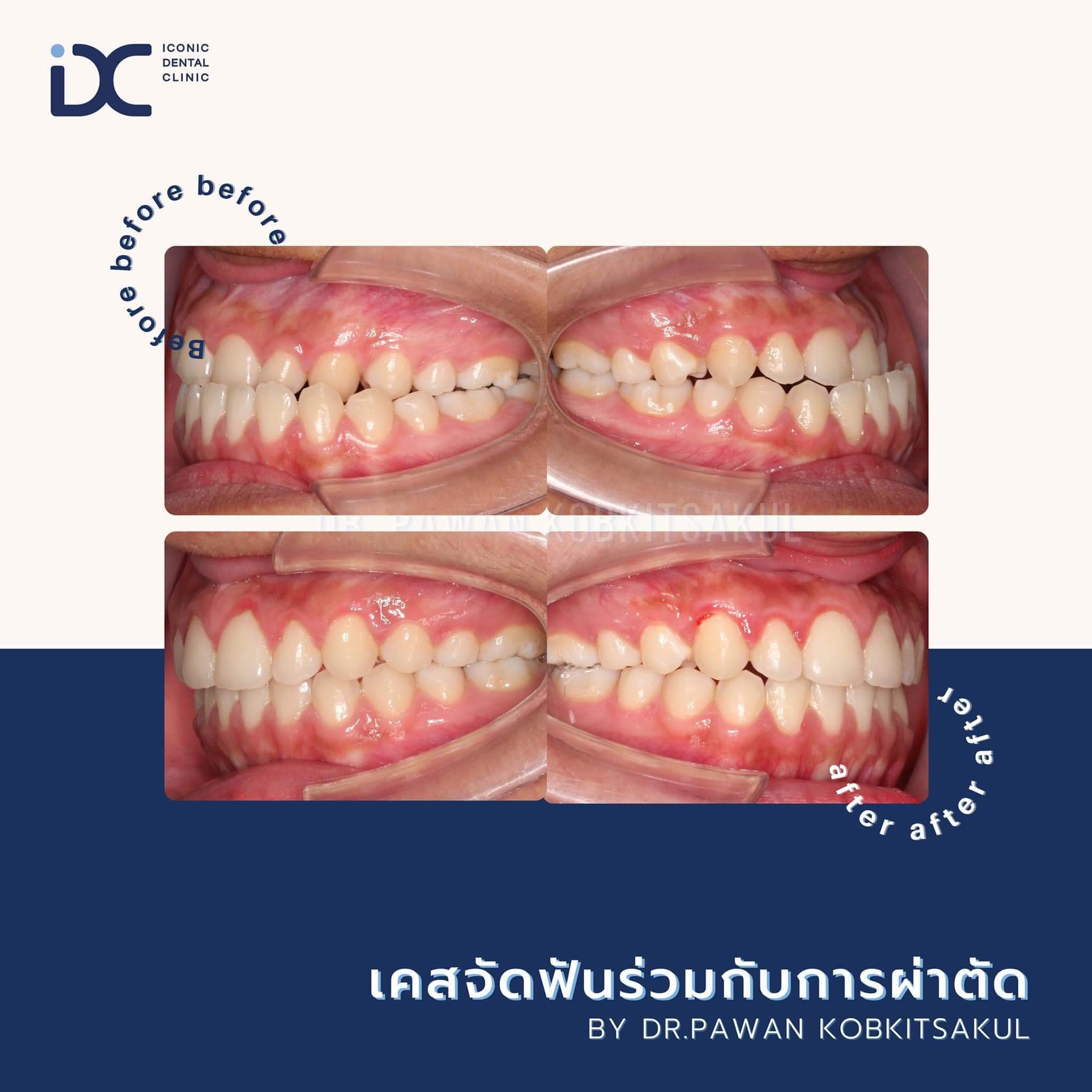
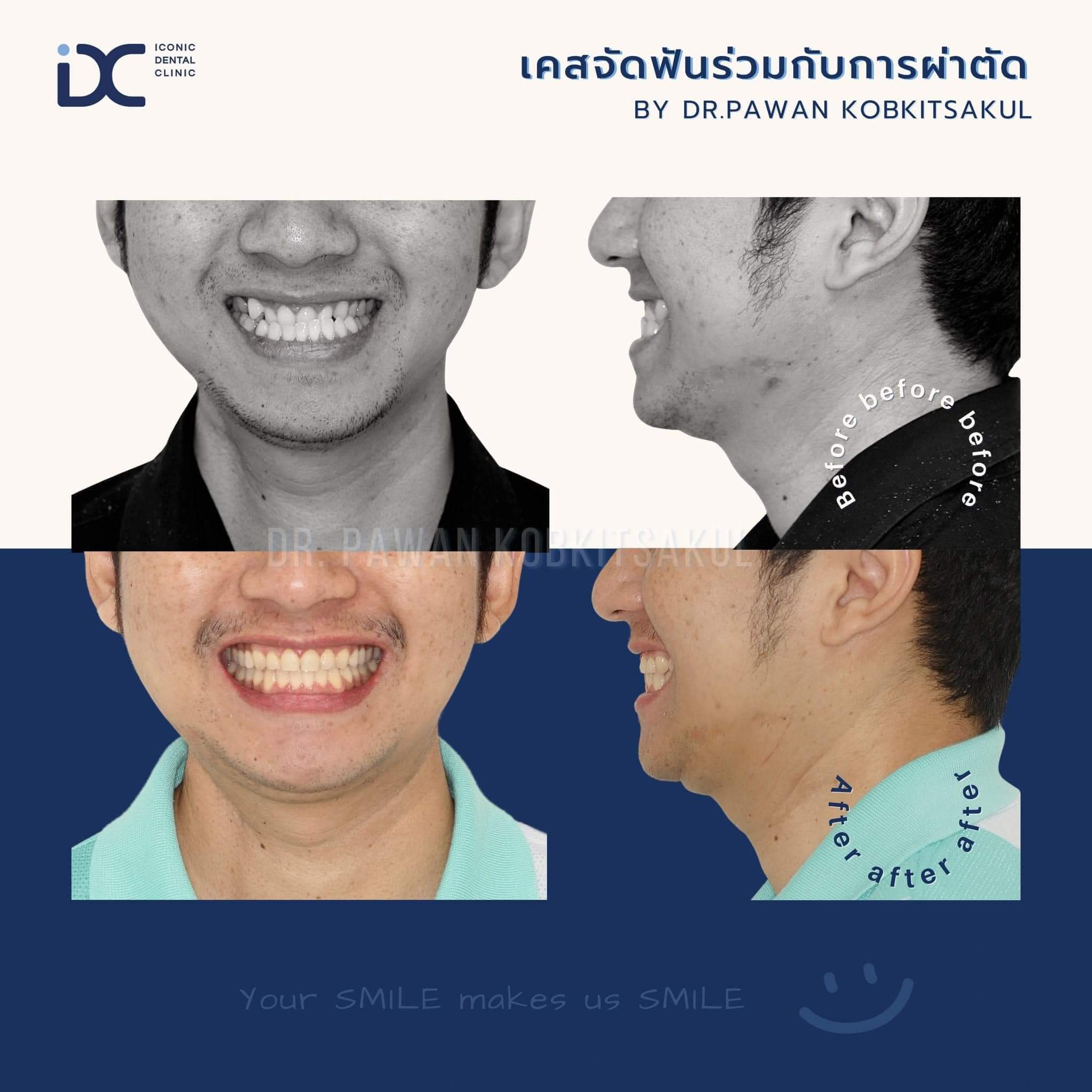
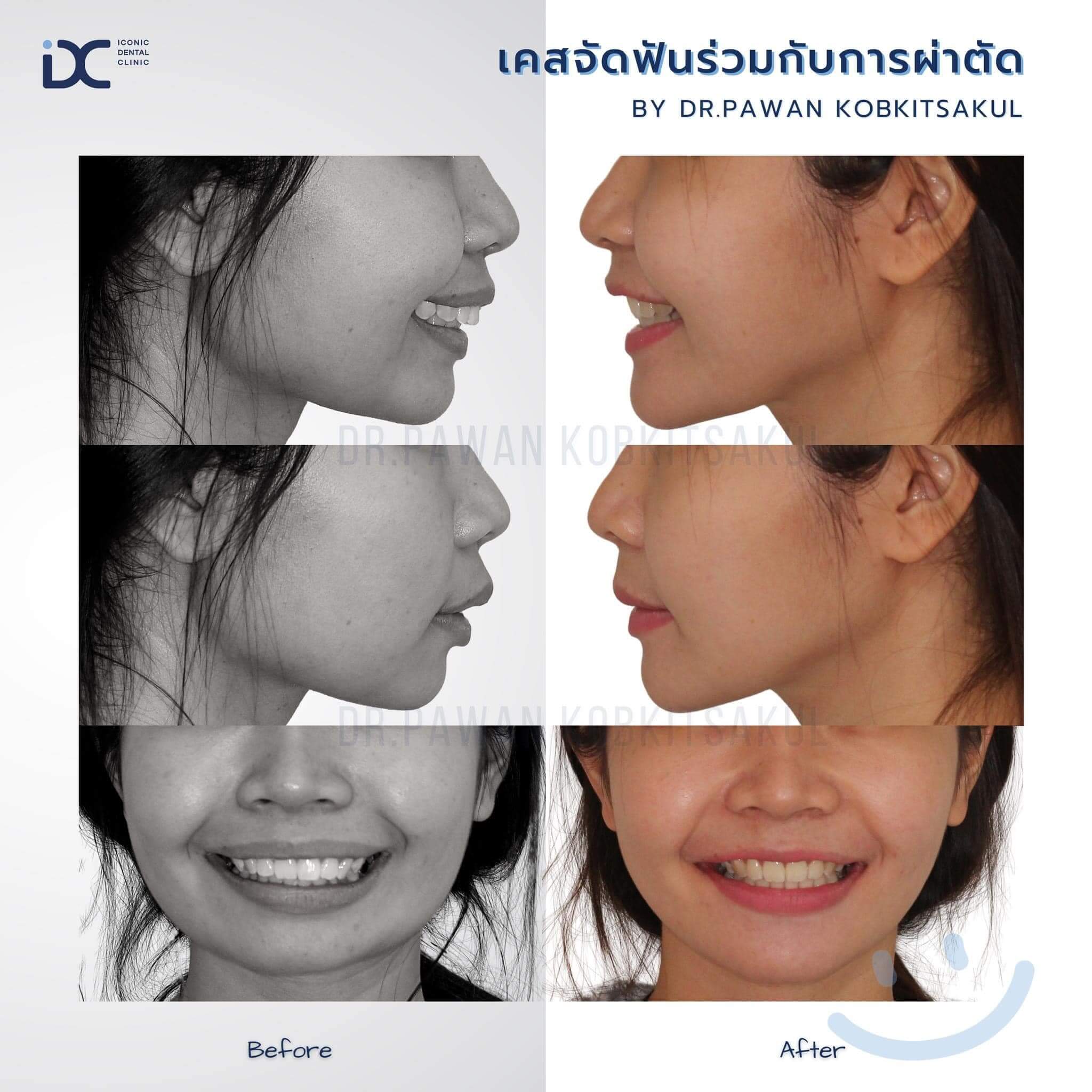
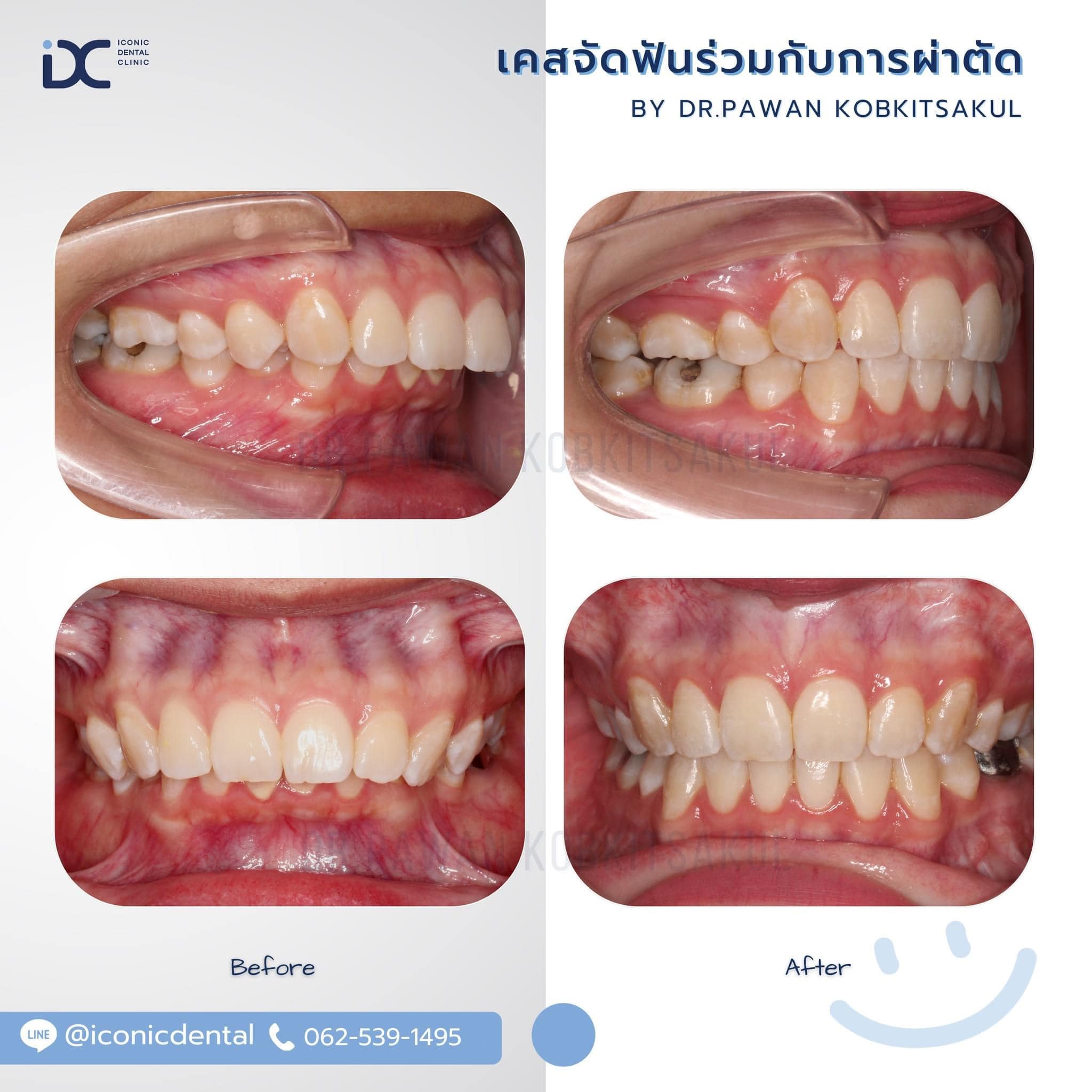
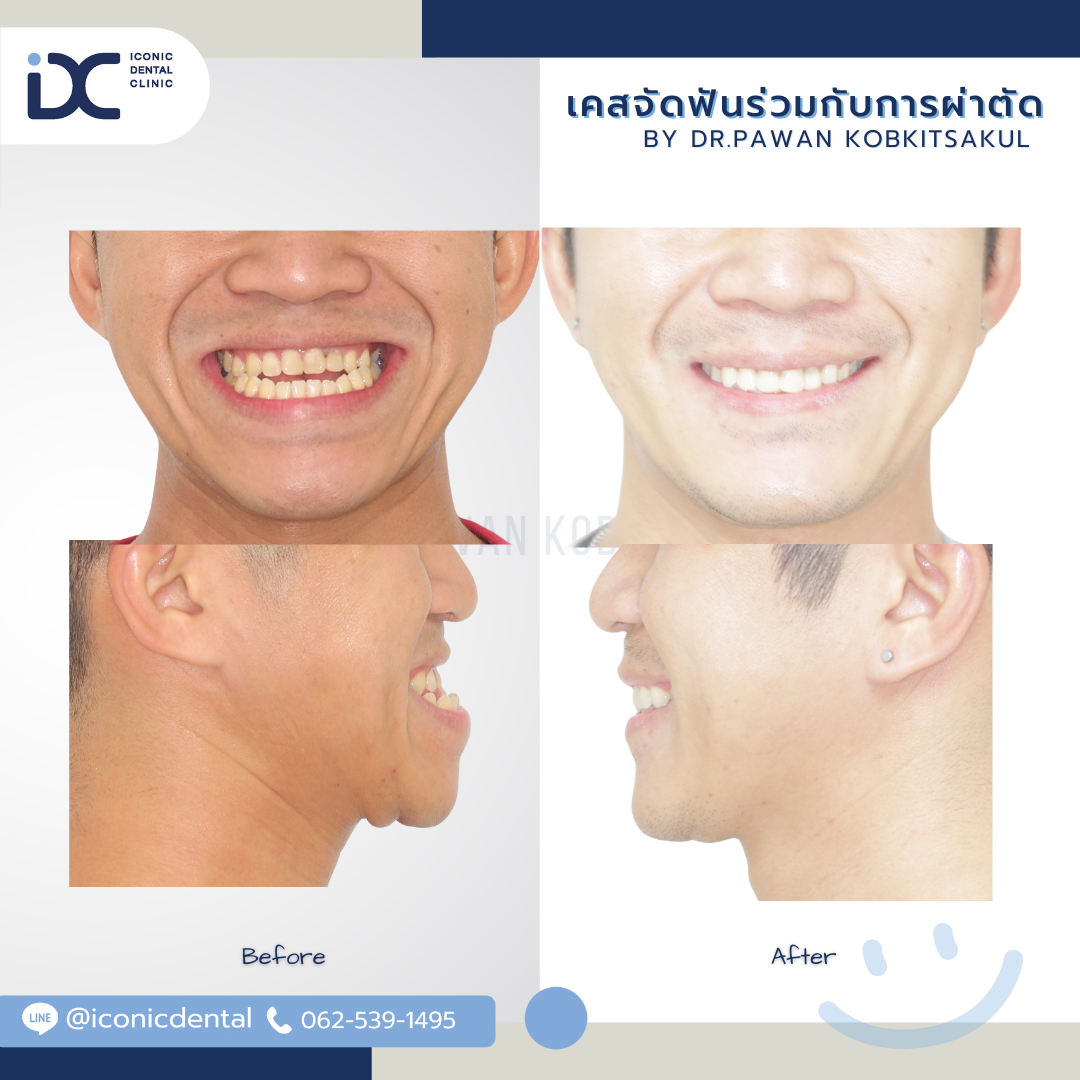
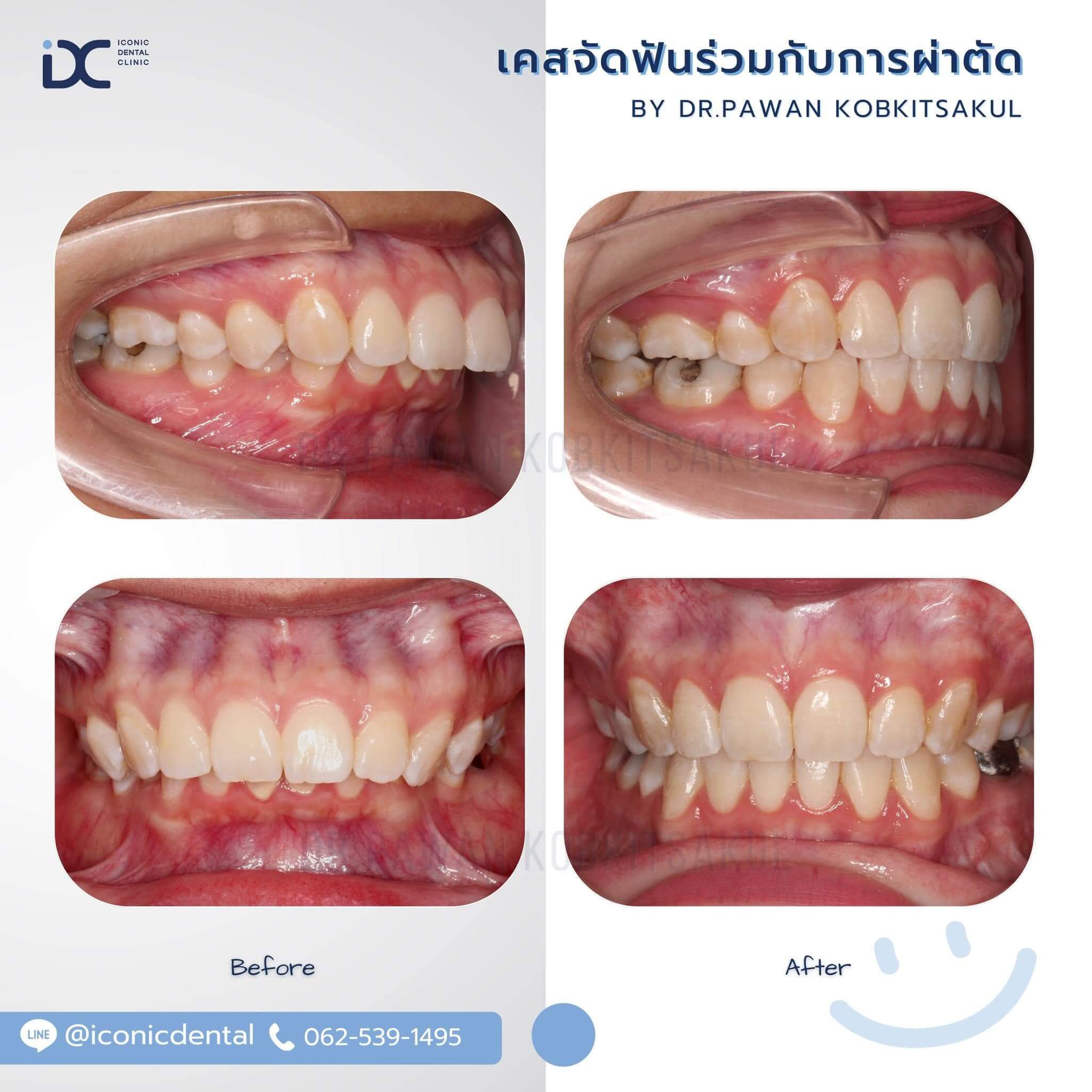
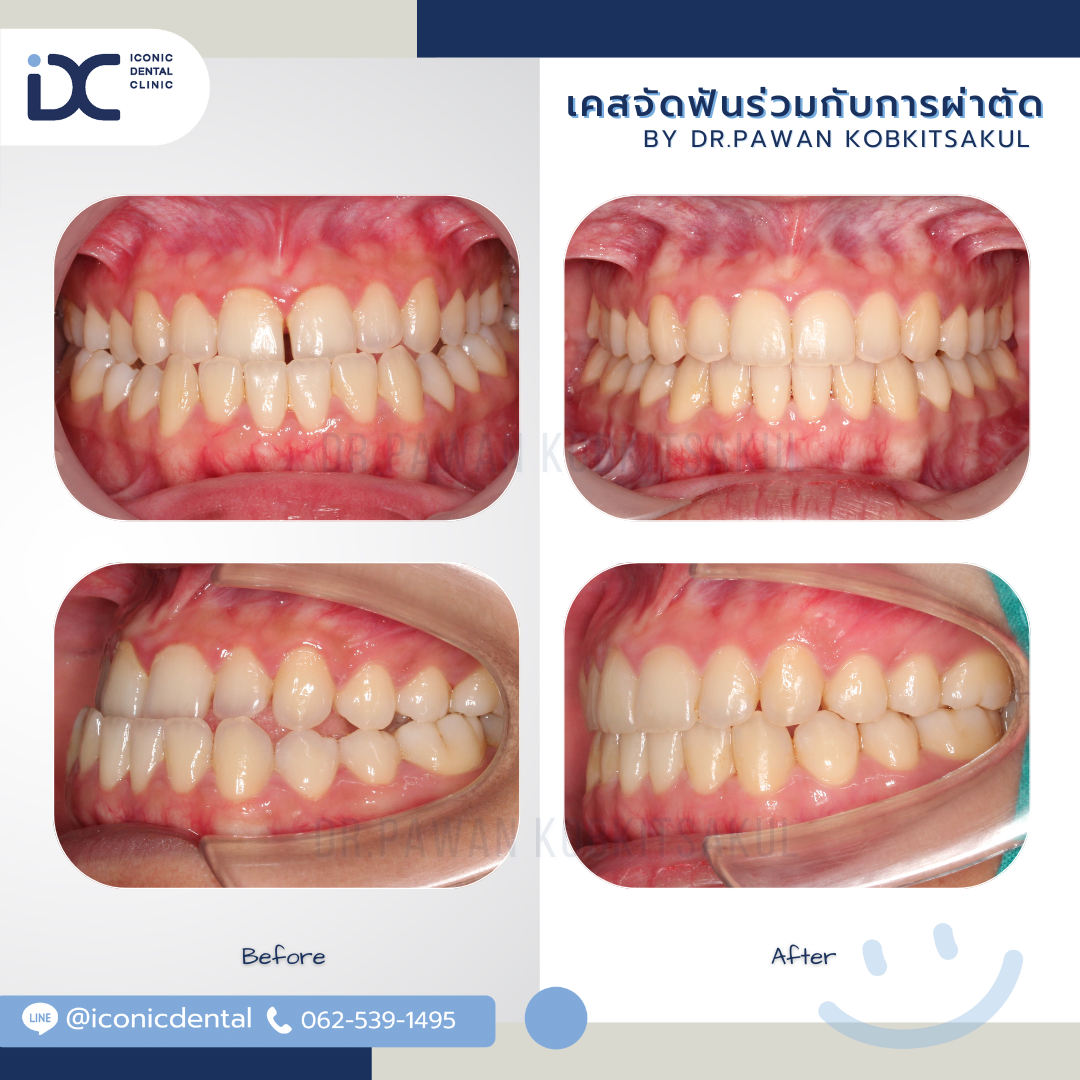
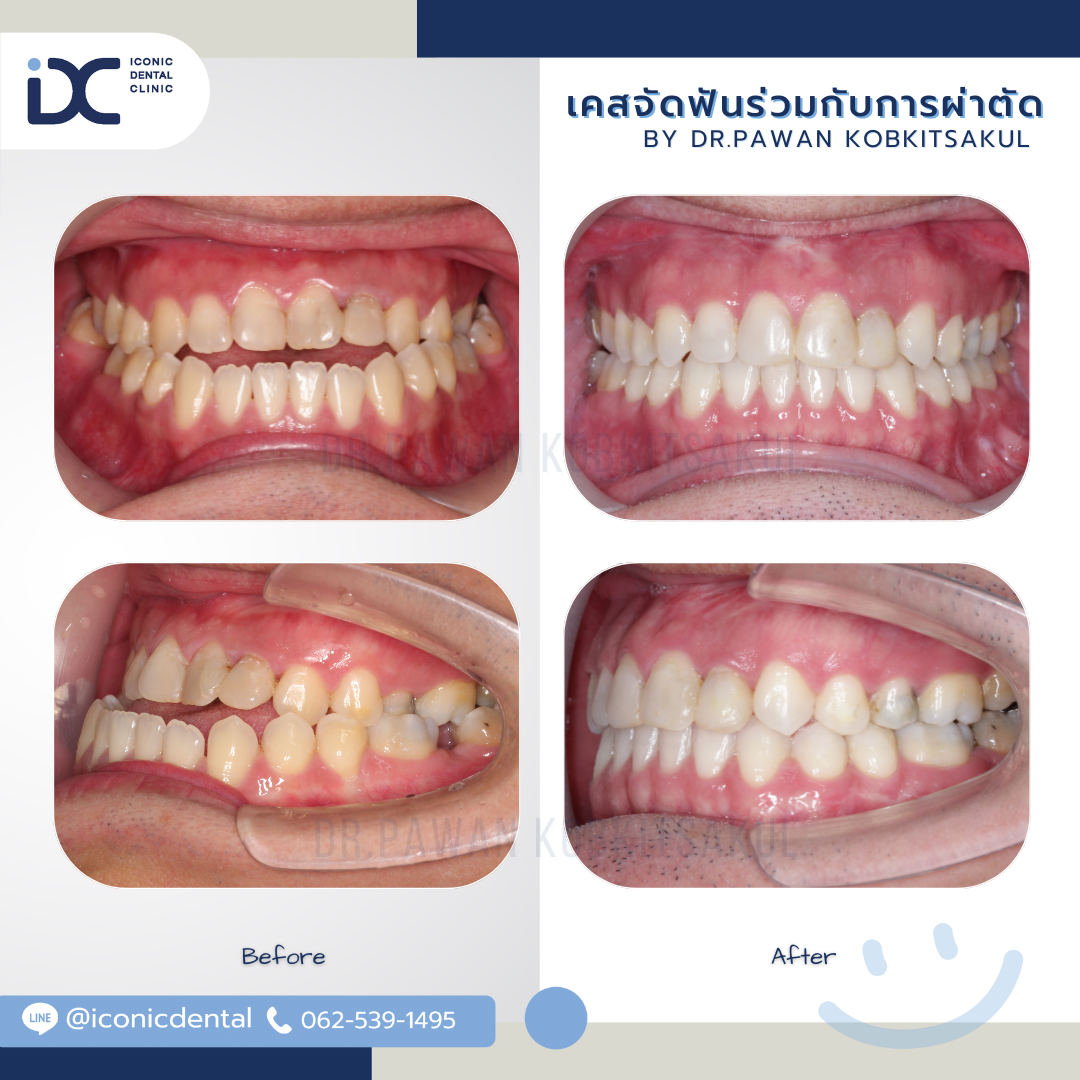
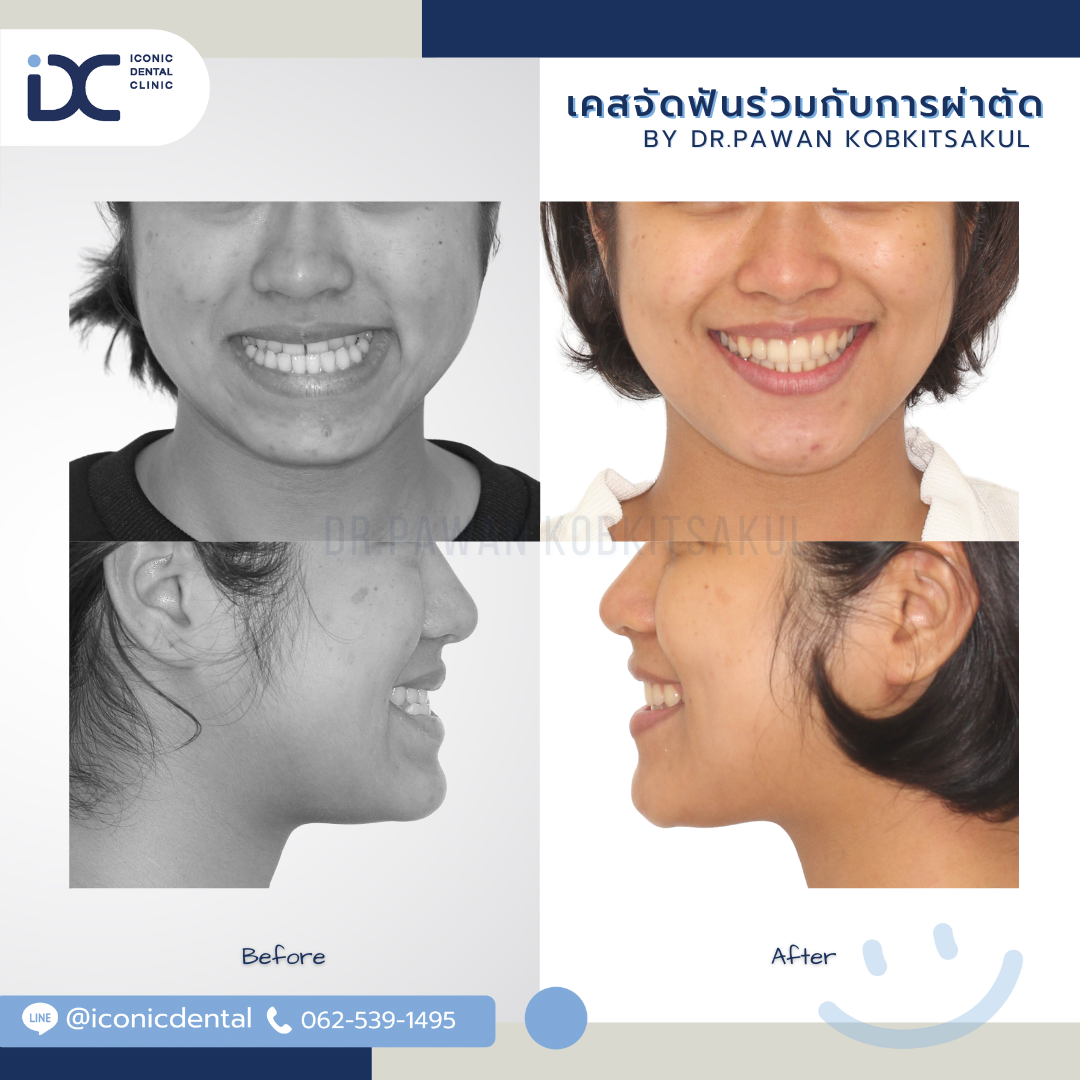
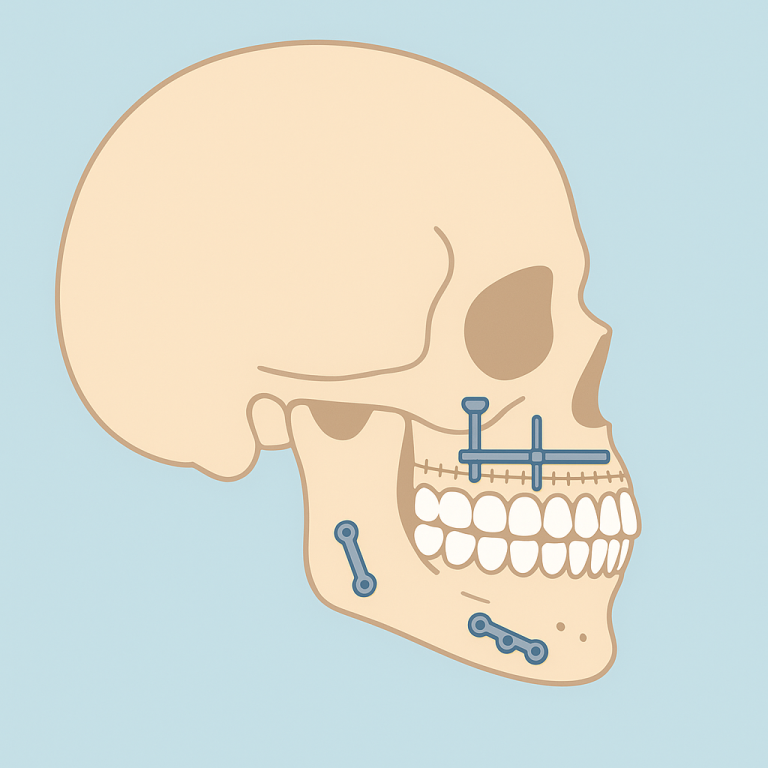
Orthodontic treatment combined with jaw surgery is considered a key treatment option for patients with complex skeletal jaw discrepancies that cannot be corrected with braces alone. This approach helps restore facial balance, correct improper bite alignment, and improve overall daily function.

Beyond functional benefits—such as enhanced chewing efficiency—this treatment can also significantly improve facial aesthetics and self-confidence.

The process requires close collaboration among multidisciplinary specialists, including an orthodontist and an oral and maxillofacial surgeon, to ensure comprehensive planning and optimal outcomes tailored to the patient’s specific needs.
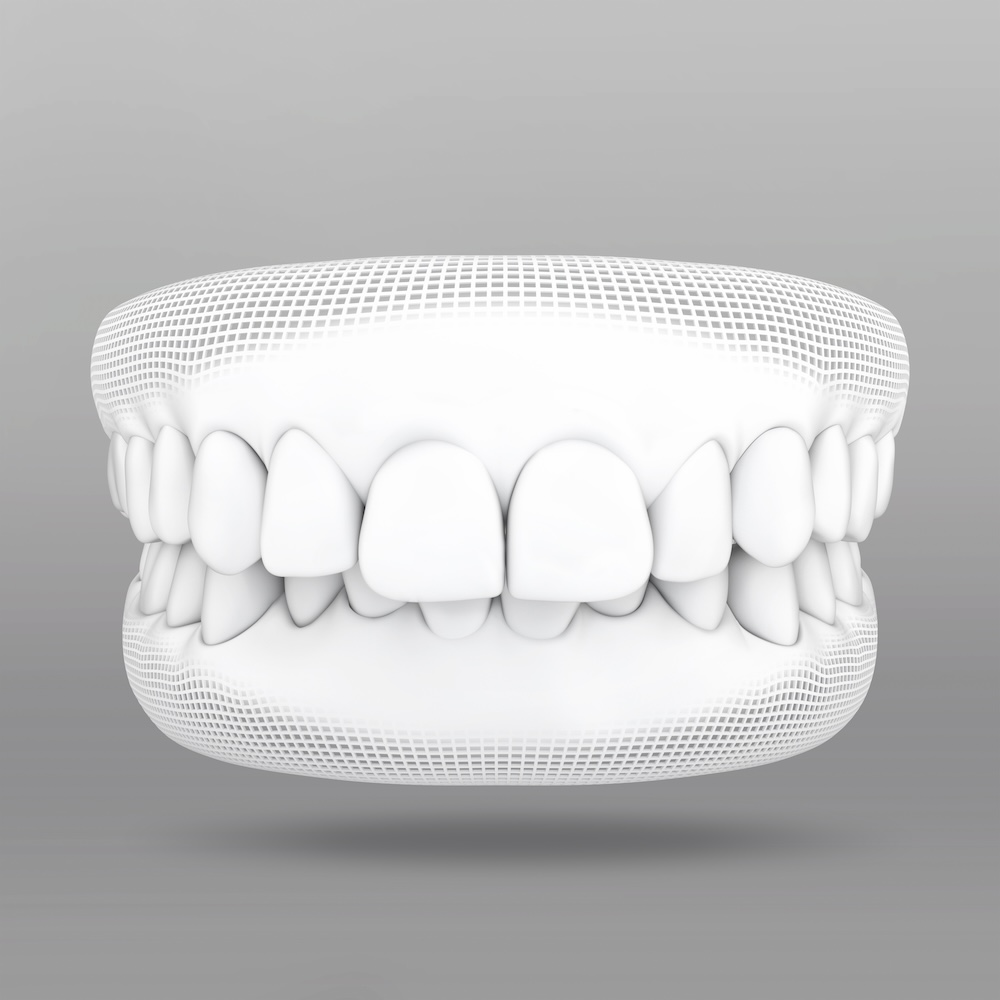
What issues require orthodontic treatment?

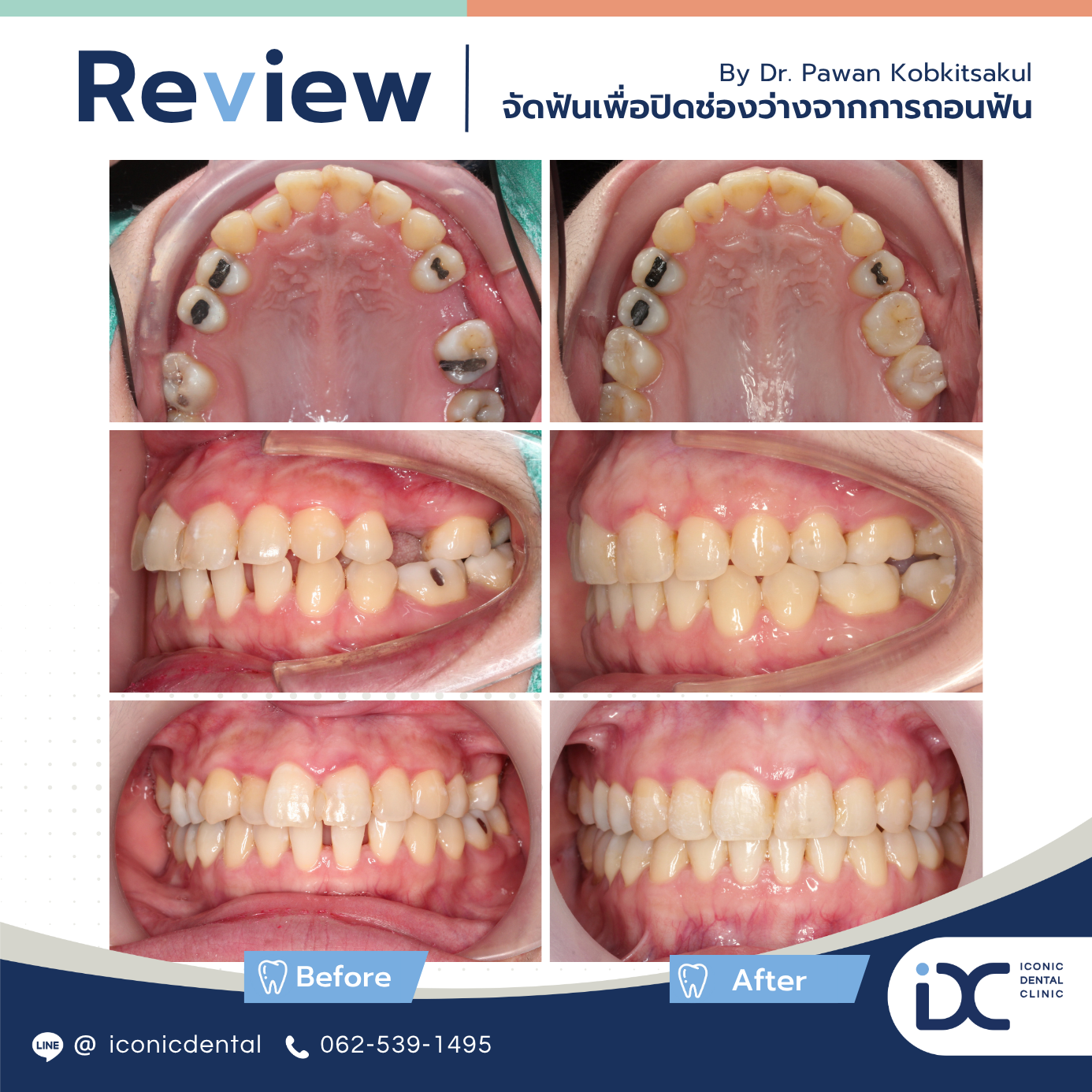
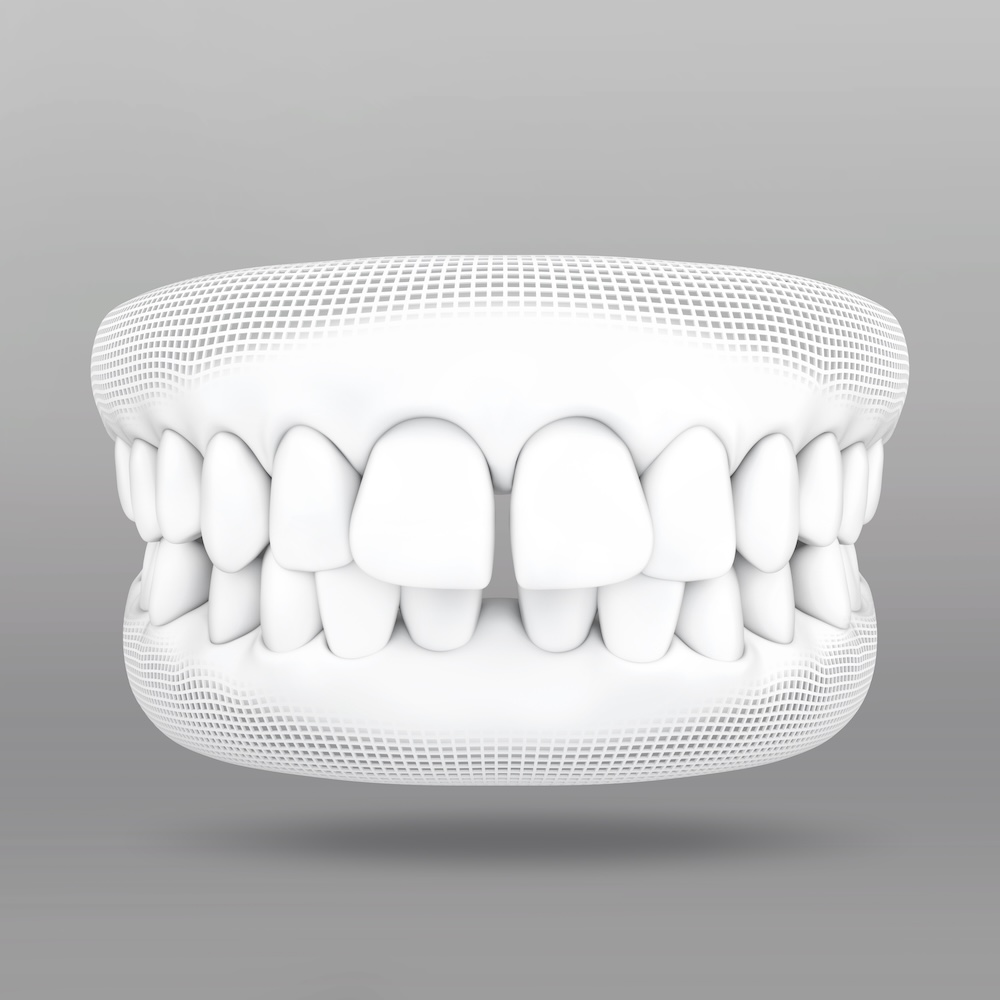
Spacing teeth

Symptoms

  • Excessive spacing between teeth
  • Food easily gets trapped
  • Impacts overall appearance and reduces self-confidence


Main causes

  1. Abnormal tooth eruption
    Irregular tooth eruption may push teeth out of alignment or cause them to tilt over time
  2. Certain habits like thumb-sucking or frequent tongue thrusting create abnormal pressure on the front teeth
  3. Genetics
    Imbalance between jawbone size and tooth size causing spacing
  4. Loss of permanent teeth
    Caused by accidents, tooth decay, or gum disease, resulting in significant gaps that require dentures or orthodontic treatment

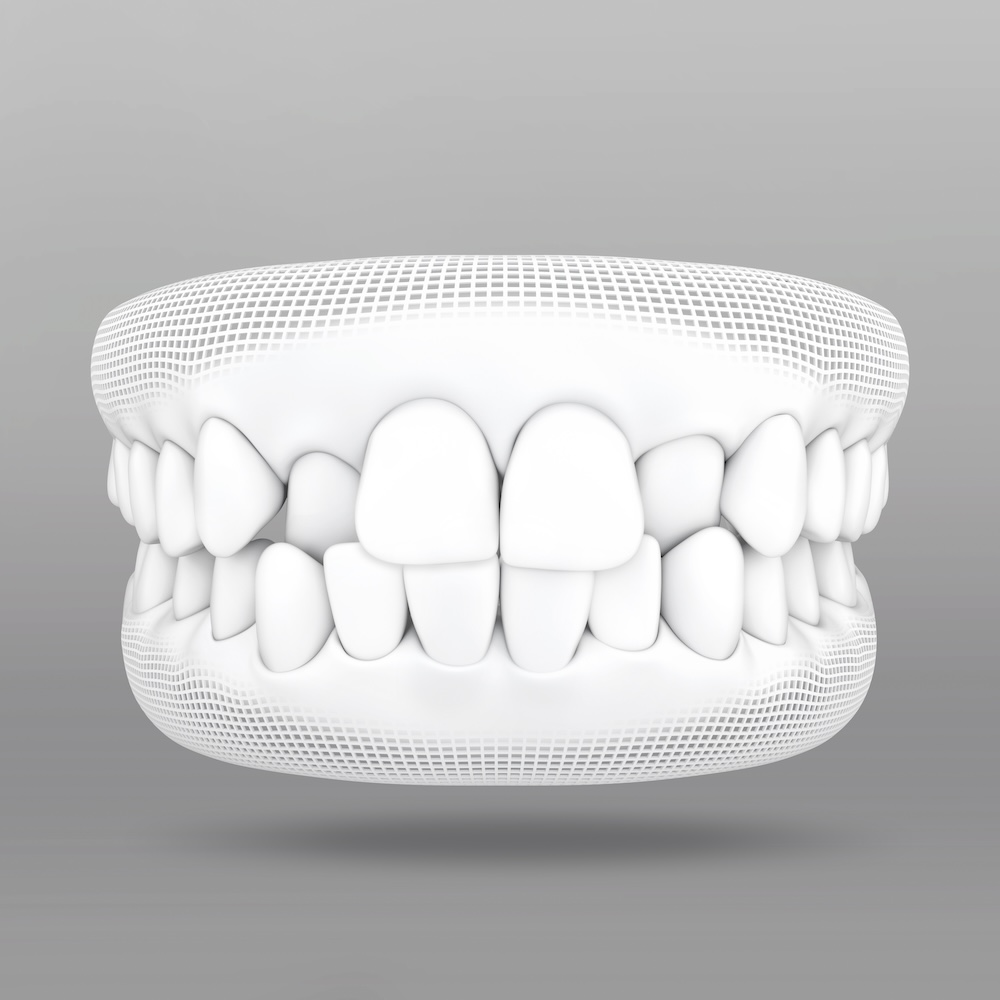
Deep bite

Symptoms

  • Upper front teeth excessively overlap the lower front teeth
  • In some cases, the upper front teeth overlap so deeply that the lower front teeth are not visible
  • In severe cases, lower front teeth may bite into the inner gum of the upper teeth, causing injury or gingival inflammation

Main causes

  1. Jawbone and facial structure
    • If the upper jaw is rotated forward or the lower jaw is short, it can result in a deep bite
  2. Premature loss of primary (baby) teeth
    • This affects the eruption path of permanent teeth, leading to abnormal alignment
  3. Genetics and growth patterns
    • Genetic facial and jaw growth patterns may lead to a deep bite

Open bite

Symptoms

  • When biting down, the upper and lower front teeth do not make contact
  • Makes it difficult to bite or tear food with the front teeth
  • Affects pronunciation, speech, and chewing

Main causes

  1. Thumb sucking or object-biting habits
    • Thumb sucking, pacifier use, or chronic nail biting in childhood can cause the front teeth to flare and create an open bite
  2. Tongue thrusting
    • Frequent tongue thrusting pushes the front teeth outward, preventing proper contact
  3. Jaw structure
    • May result from abnormal growth of the upper or lower jaw, or an imbalance between the jaws

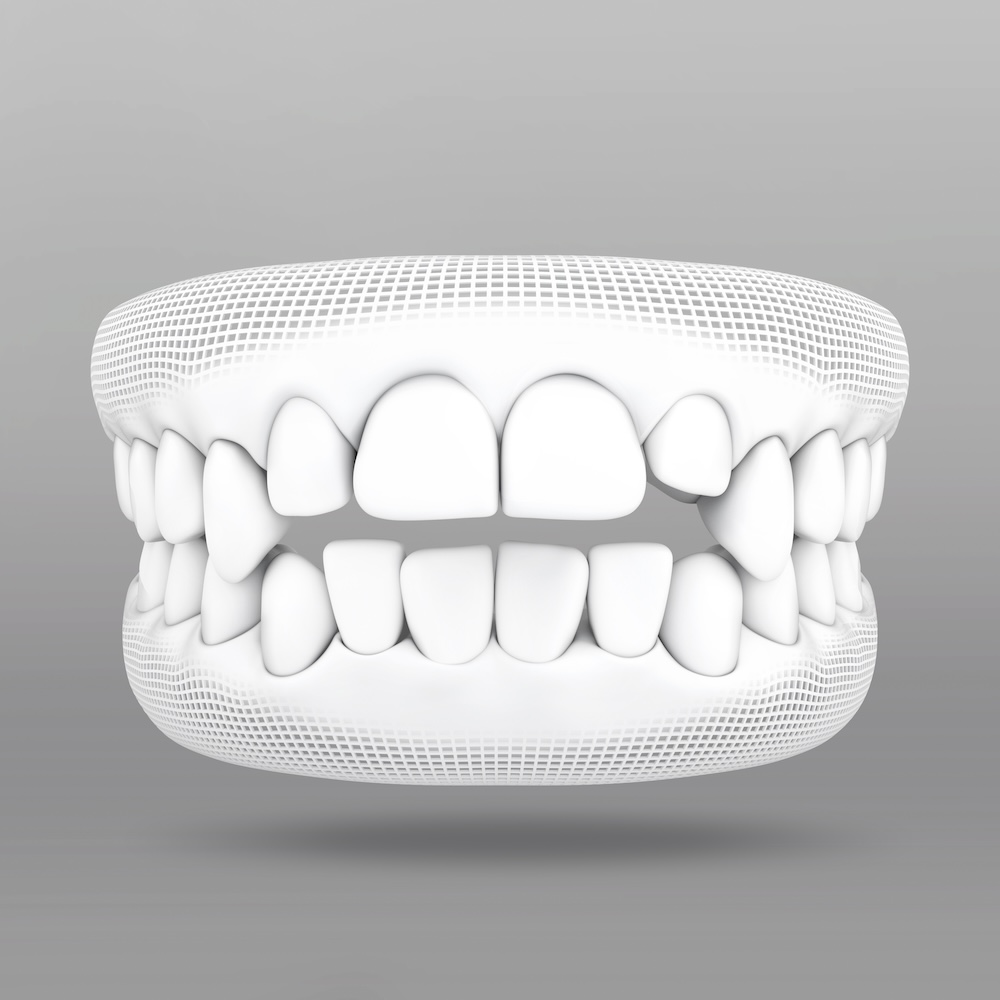
Large overjet

Symptoms

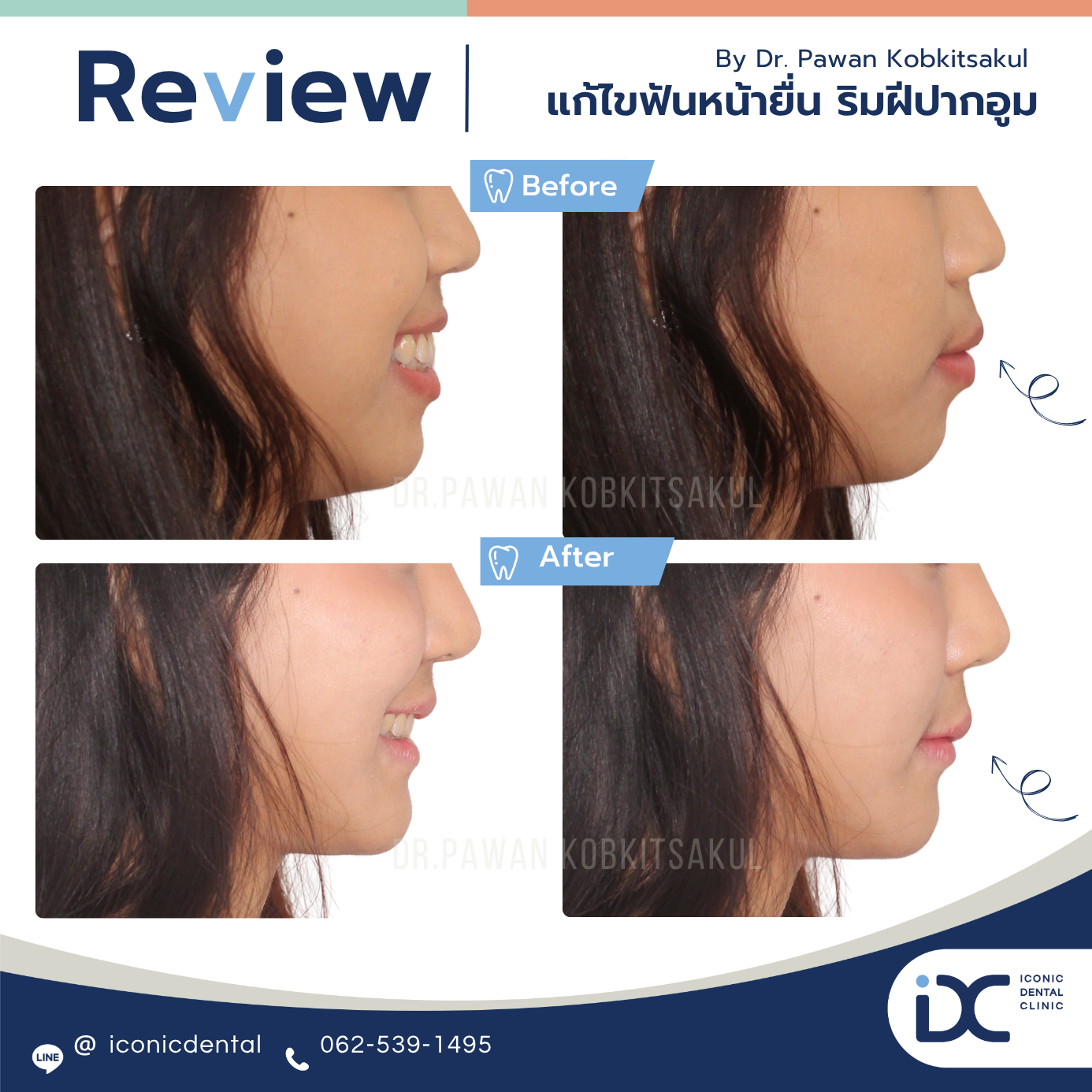
  • Upper front teeth protrude excessively, making them appear far ahead of the lower teeth
  • In some cases, this is caused by excessive backward positioning of the lower teeth
  • Increases the risk of injury to the front teeth (e.g., trauma or fractures)

Main causes

  1. Genetics
    • If parents have a large overjet, children may inherit the same trait
  2. Underdeveloped lower jaw
    • Makes the teeth appear protrusive, often due to a short or retruded lower jaw
  3. Childhood habits
    • Prolonged thumb sucking or pacifier use can contribute to protruding front teeth

Crossbite

Symptoms

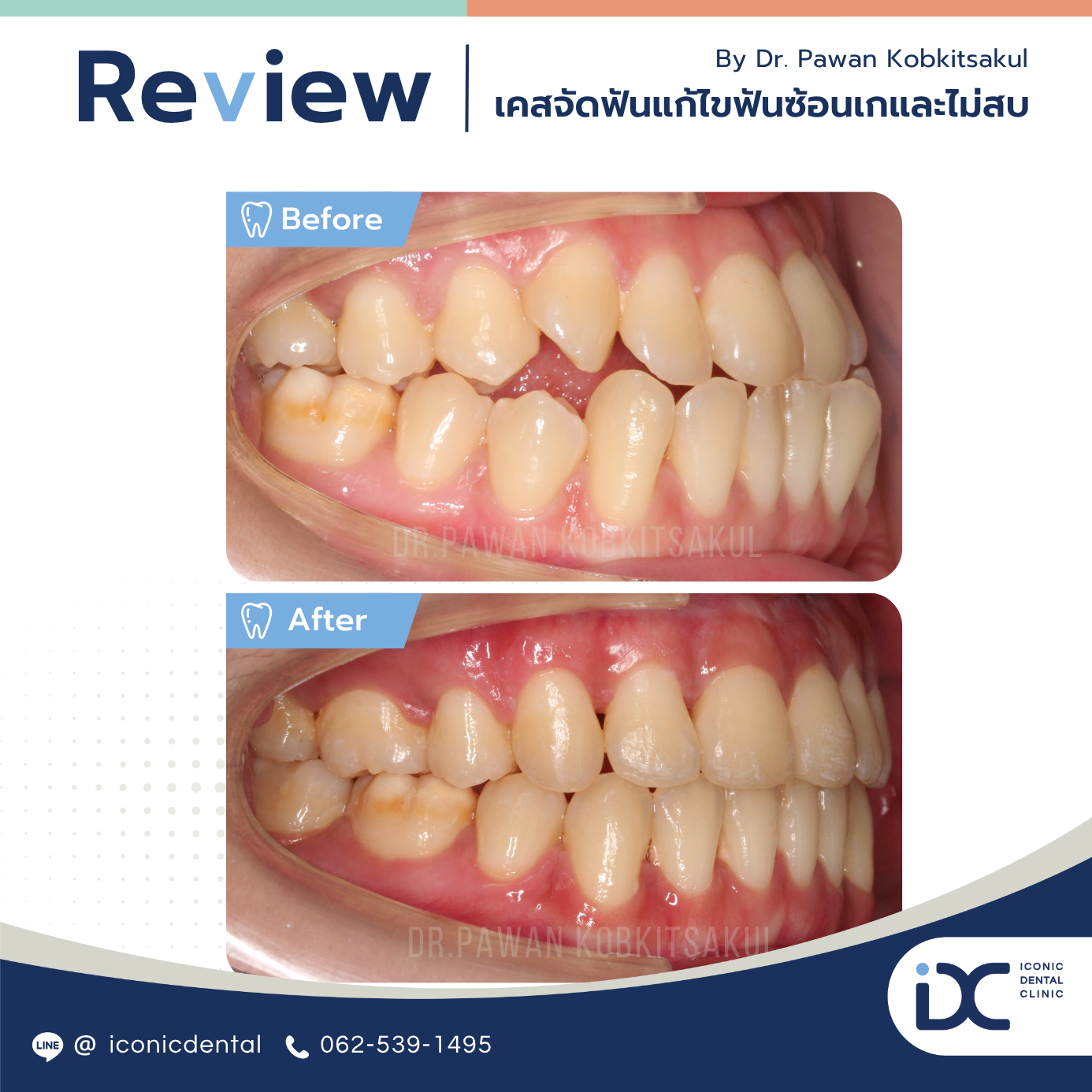
  • One or more lower teeth bite outside the upper teeth
  • The front teeth cannot occlude normally, making chewing difficult or ineffective
  • In some cases, it may affect jaw growth and cause slight facial asymmetry

Main causes

  1. Abnormal jaw growth
    • The lower jaw may grow excessively, or the upper jaw may be underdeveloped
  2. Improper tooth eruption
    • Some teeth erupt tilted or misaligned
  3. Tongue habits or abnormal chewing patterns
    • This may cause certain teeth to develop a crossbite

Midline shift

Symptoms

  • The midline of the upper and lower front teeth do not align
  • In some cases, the dental midline aligns between the teeth but is shifted away from the facial midline
  • Affects appearance and reduces self-confidence

Main causes

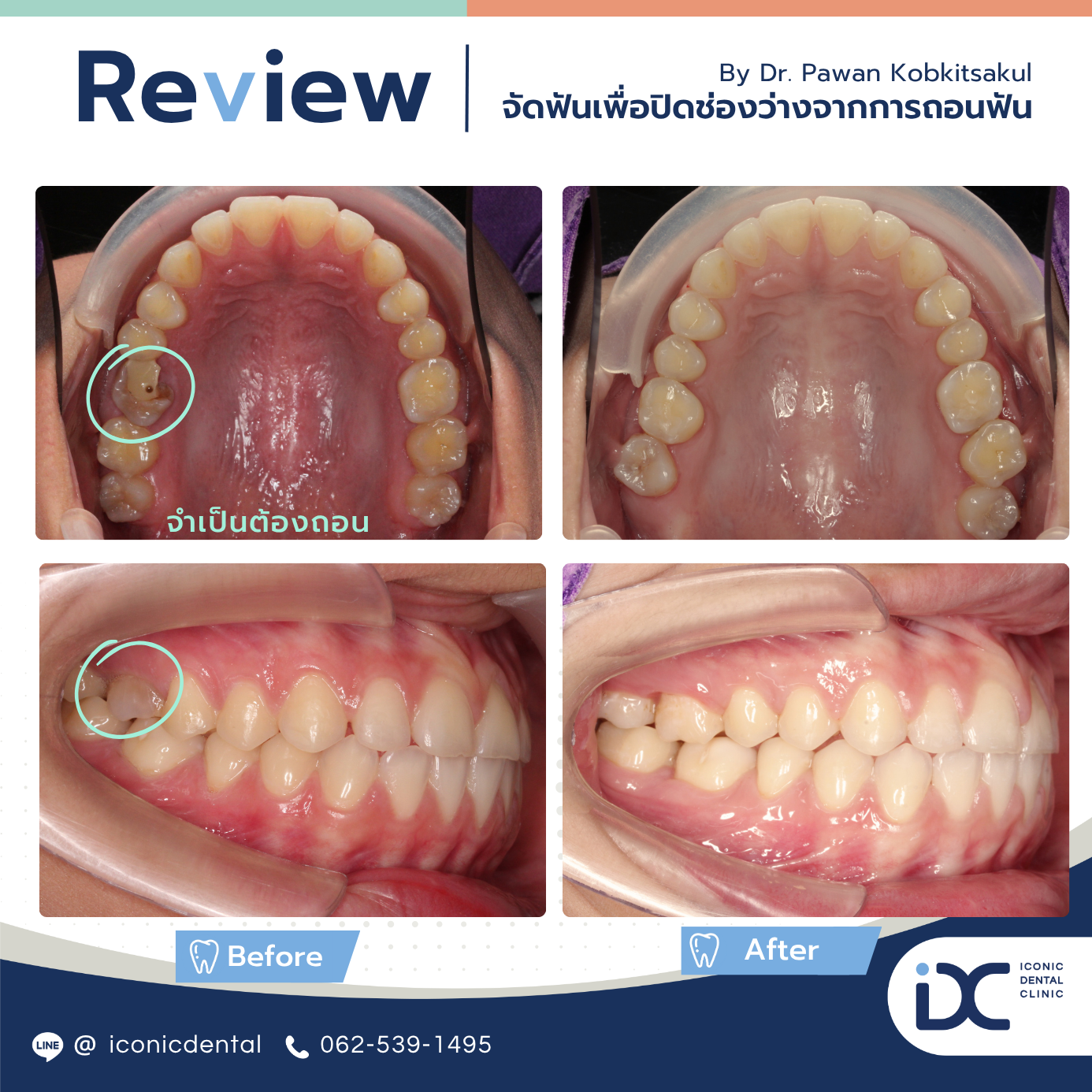
  1. Tooth extraction
    • Premature extraction may cause adjacent teeth to tip into the space, pulling the dental midline off-center
  2. Abnormal tooth eruption
    • Some teeth erupt late or outside the normal alignment
  3. Habitual chewing or biting more on one side
    • Causes the dental arch to shift toward the side that is used more frequently

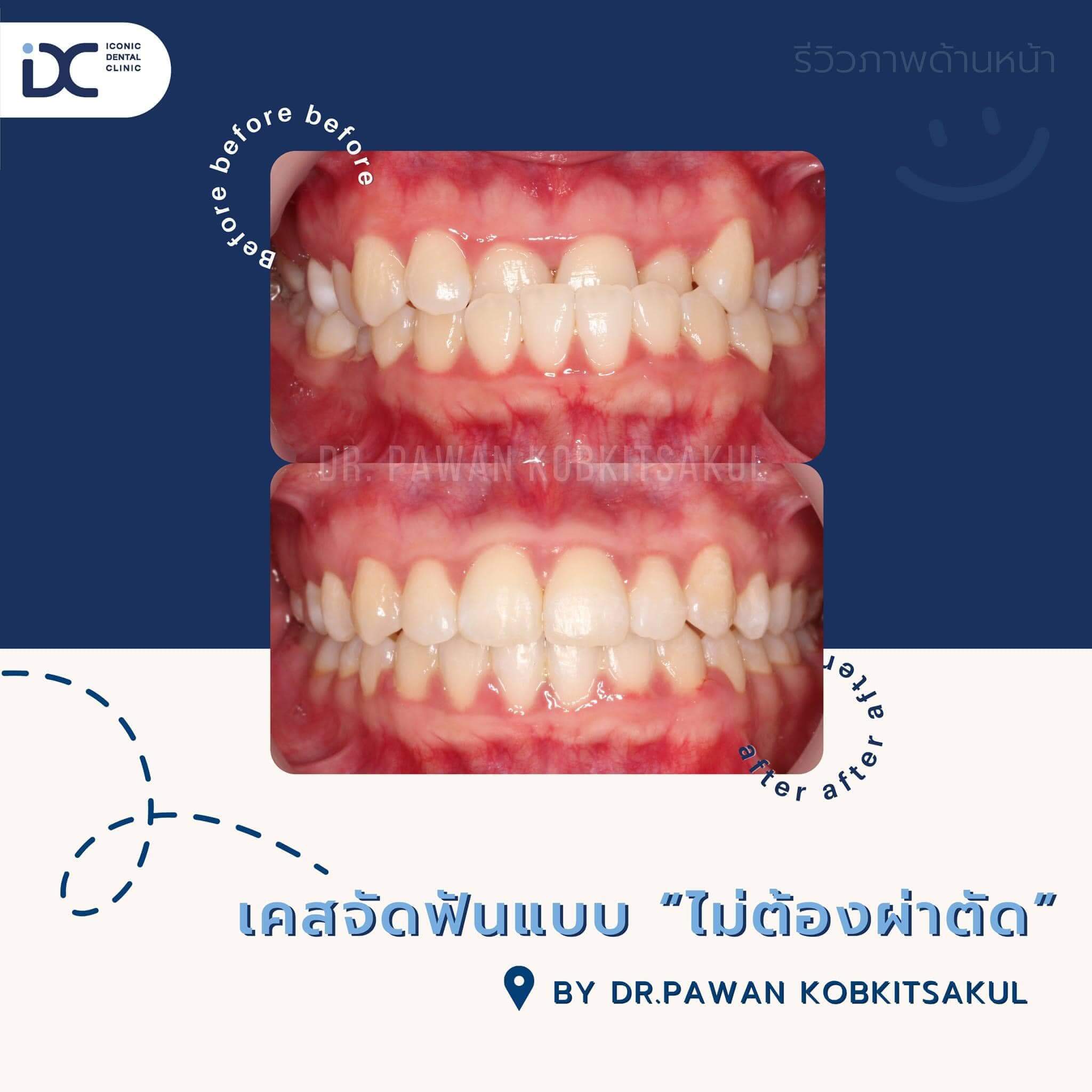
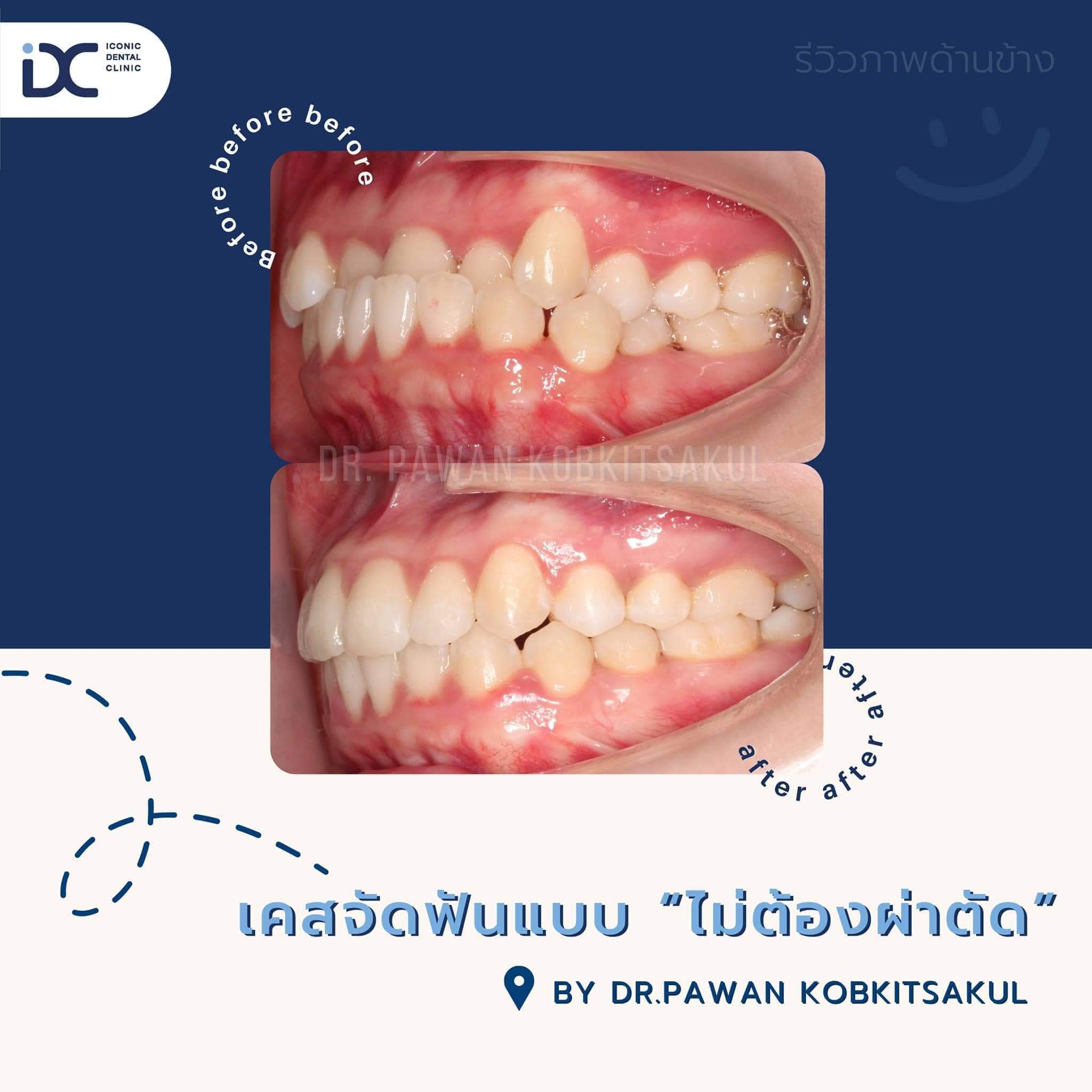
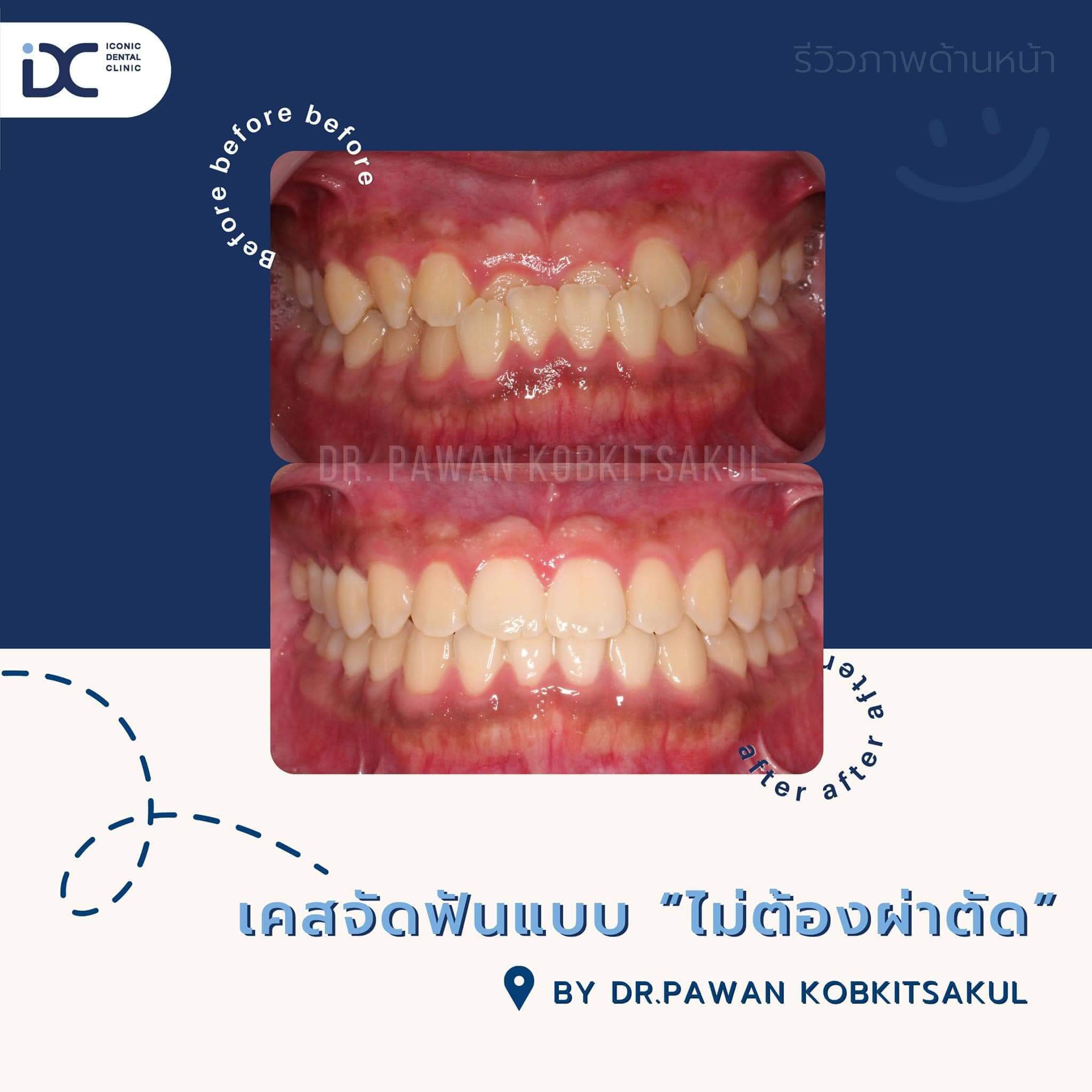
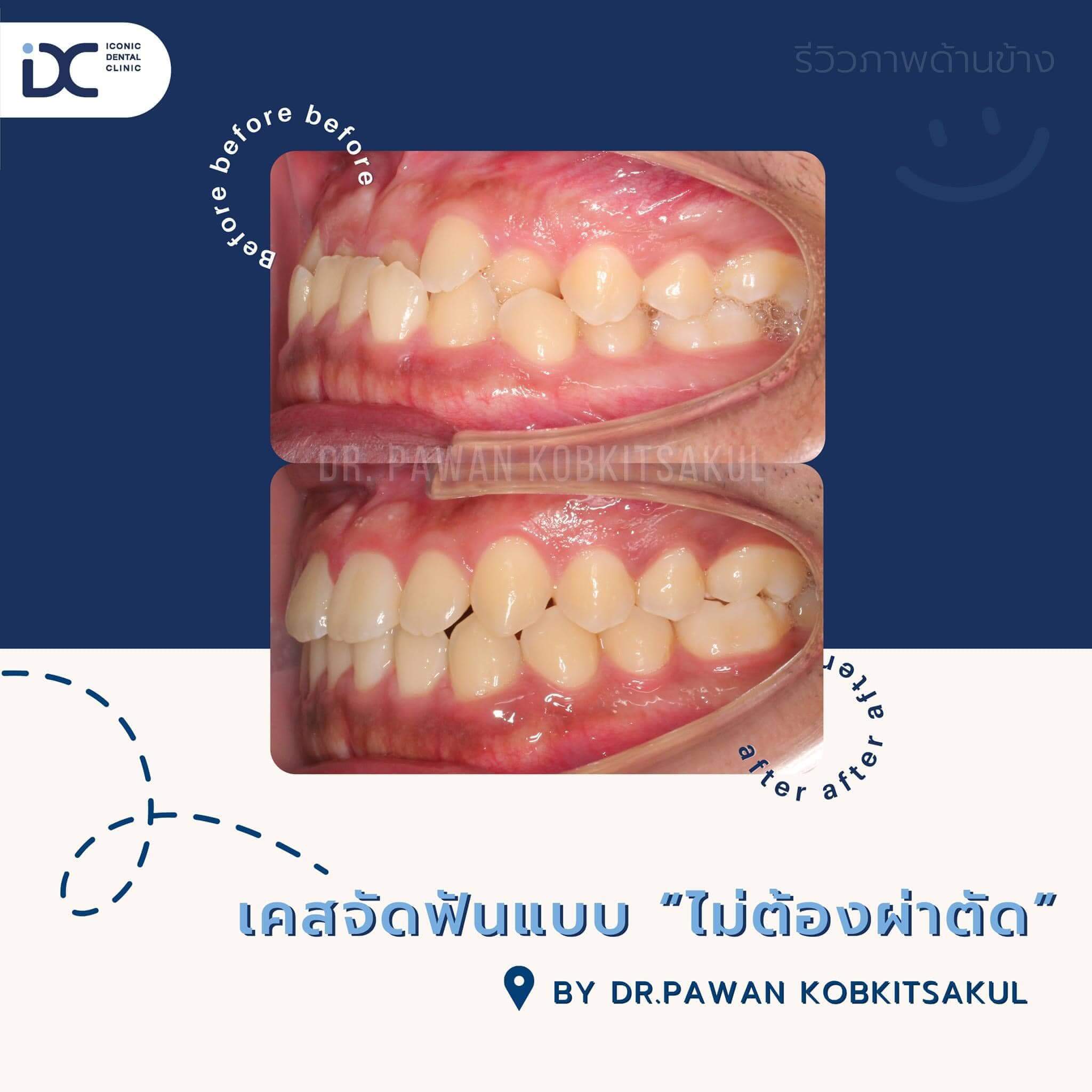
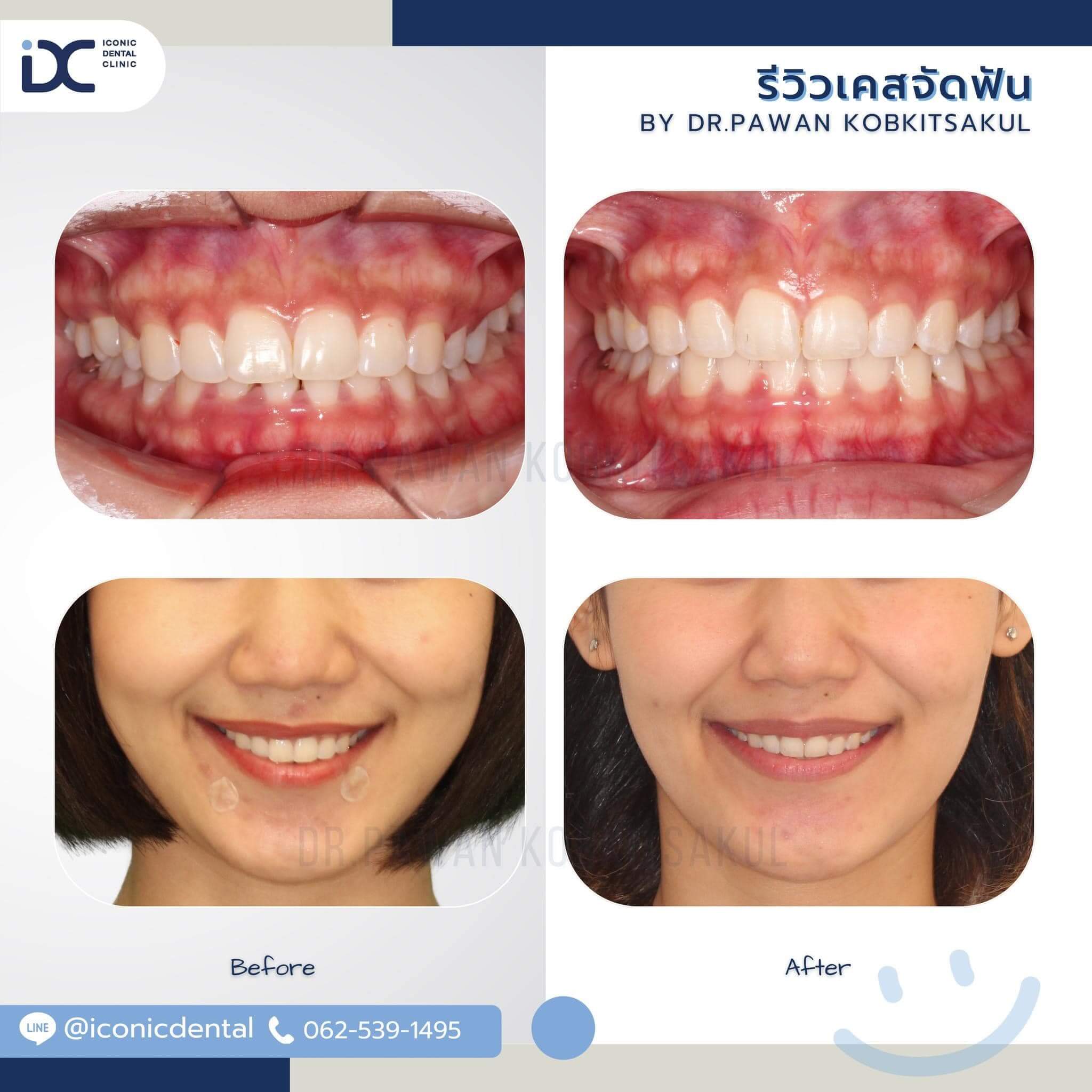
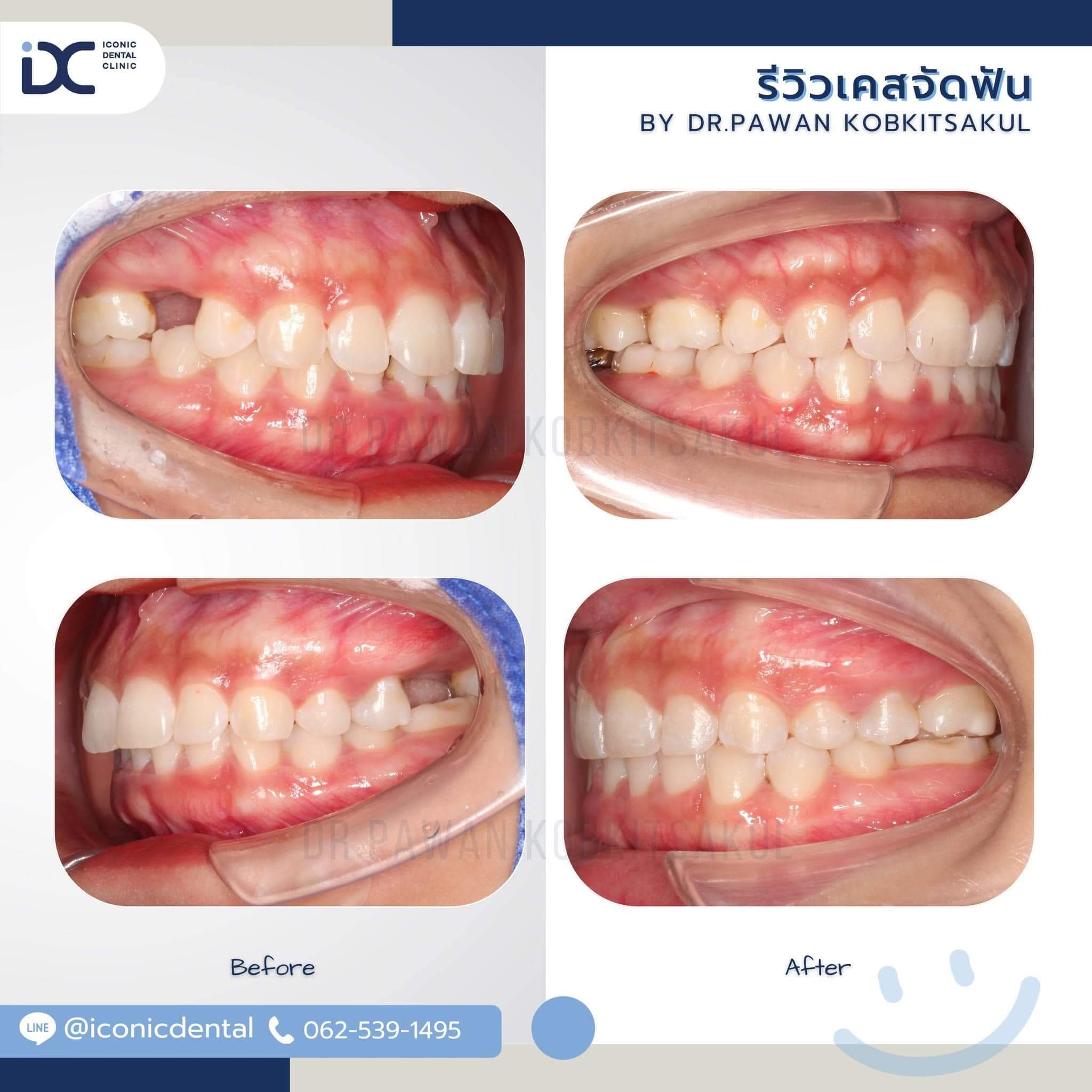
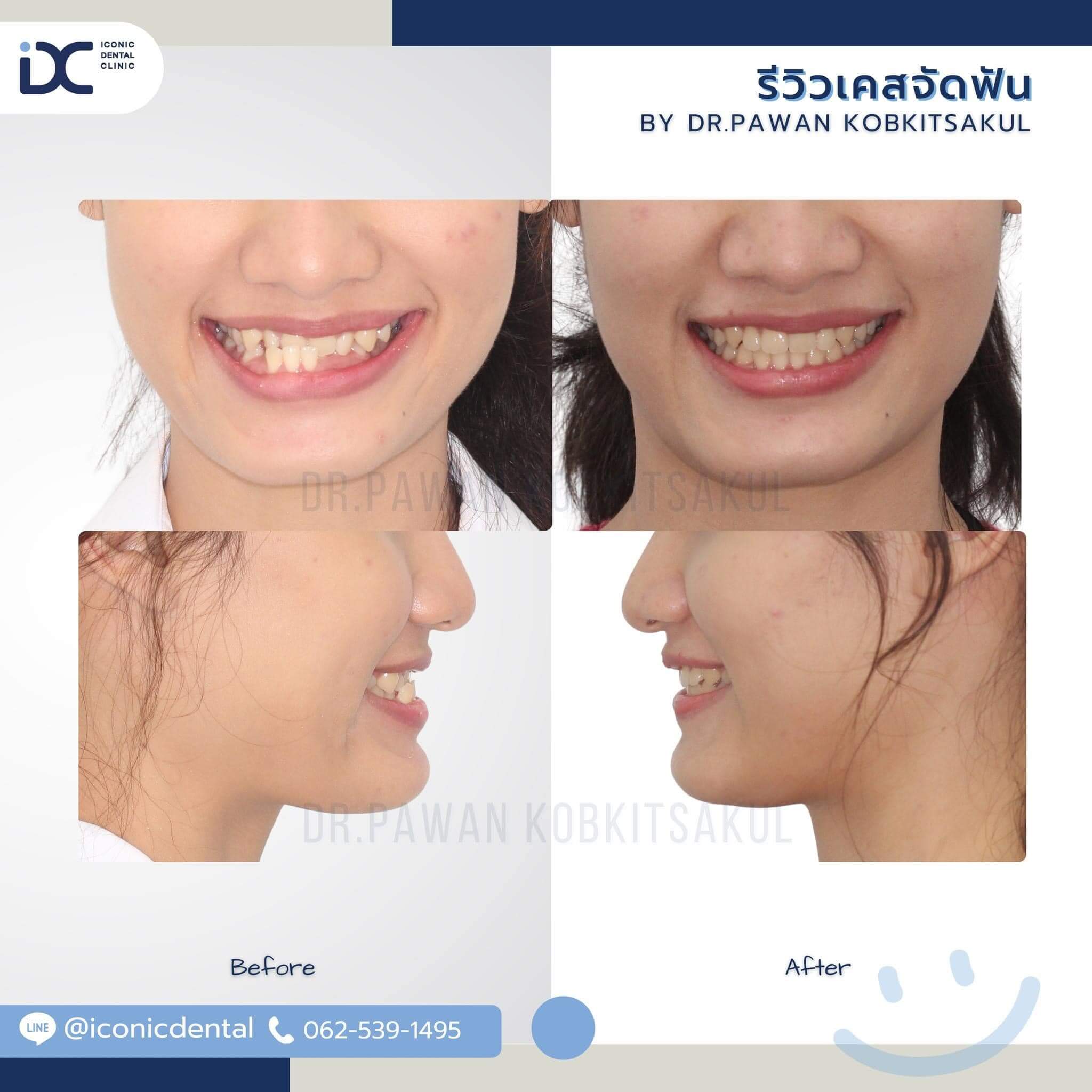
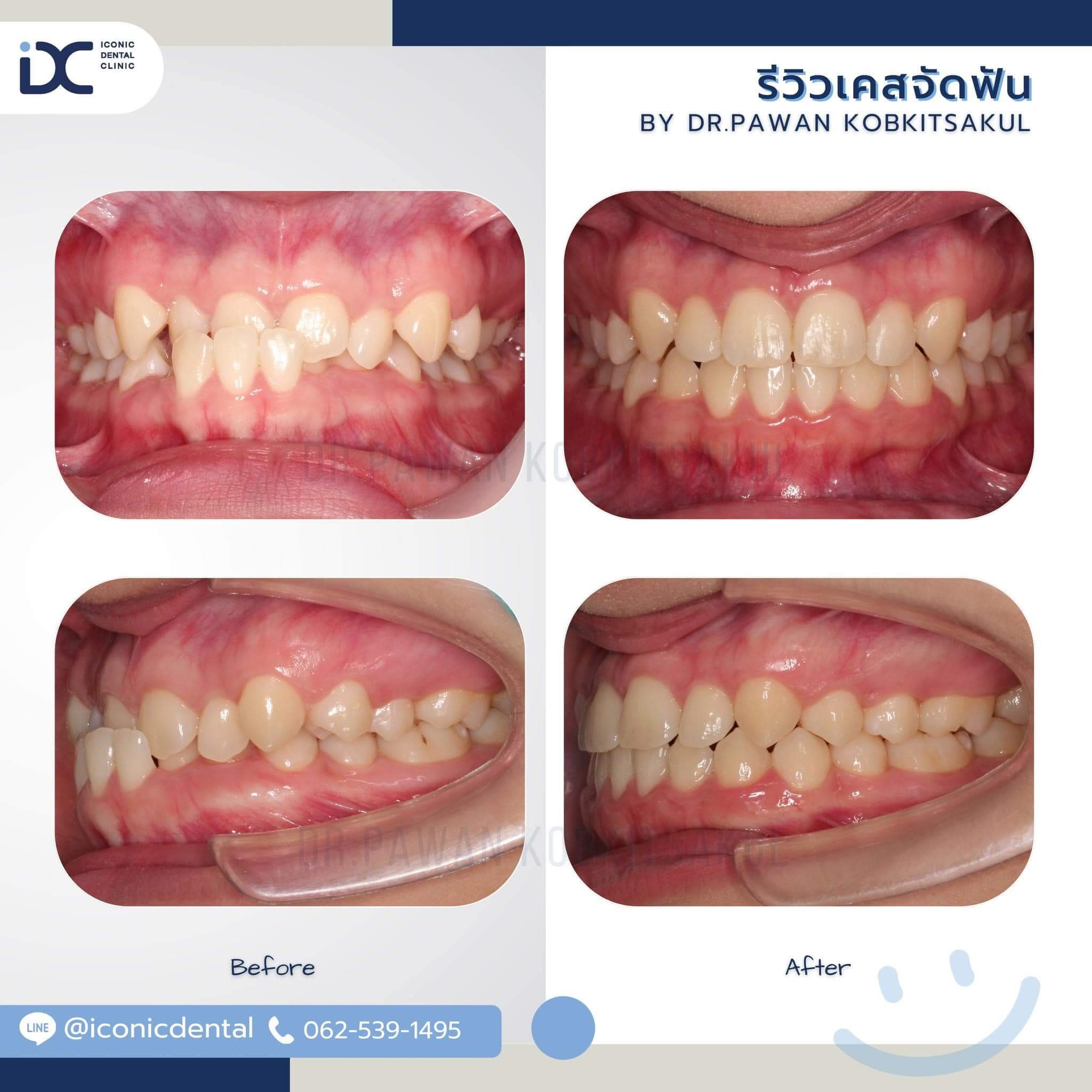
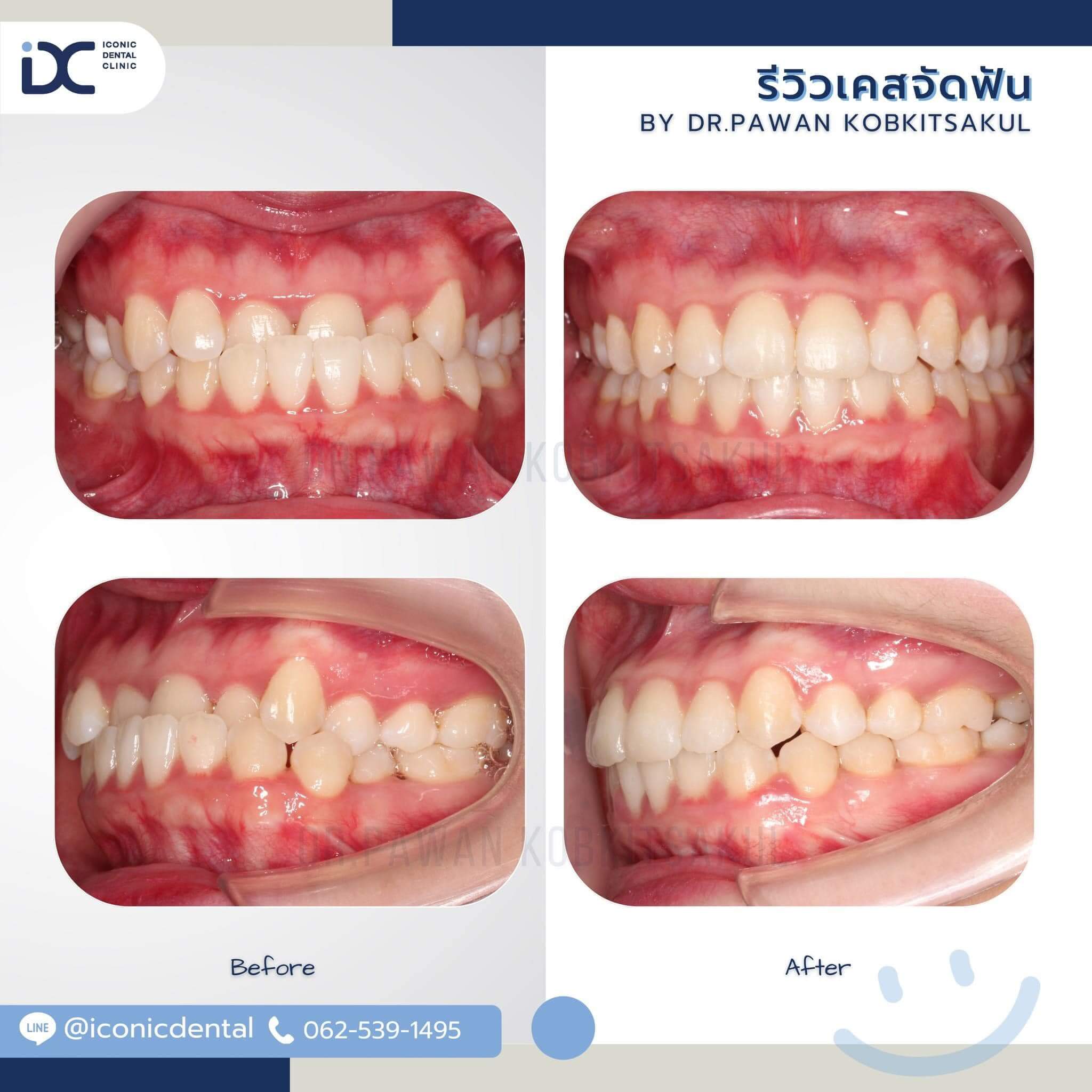
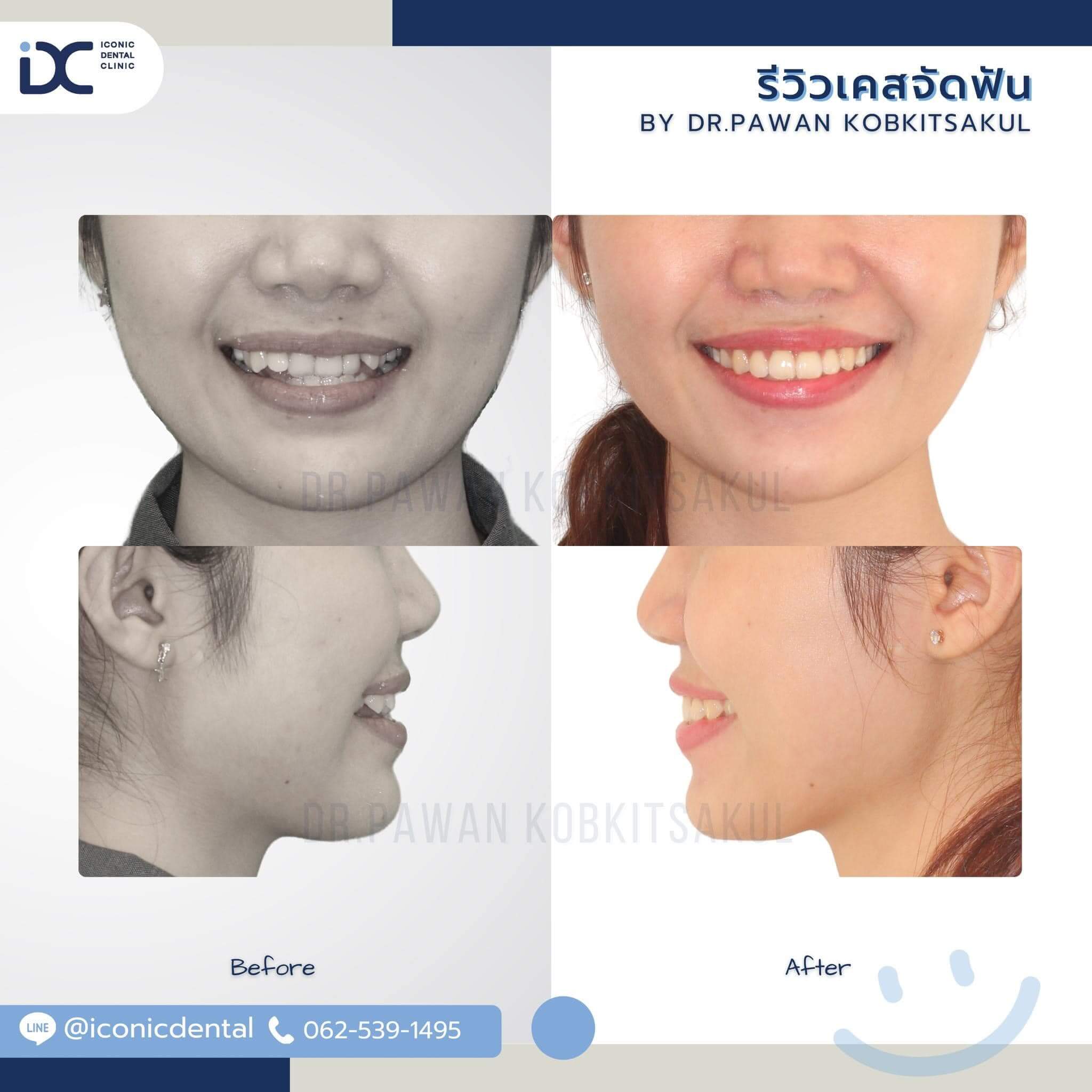
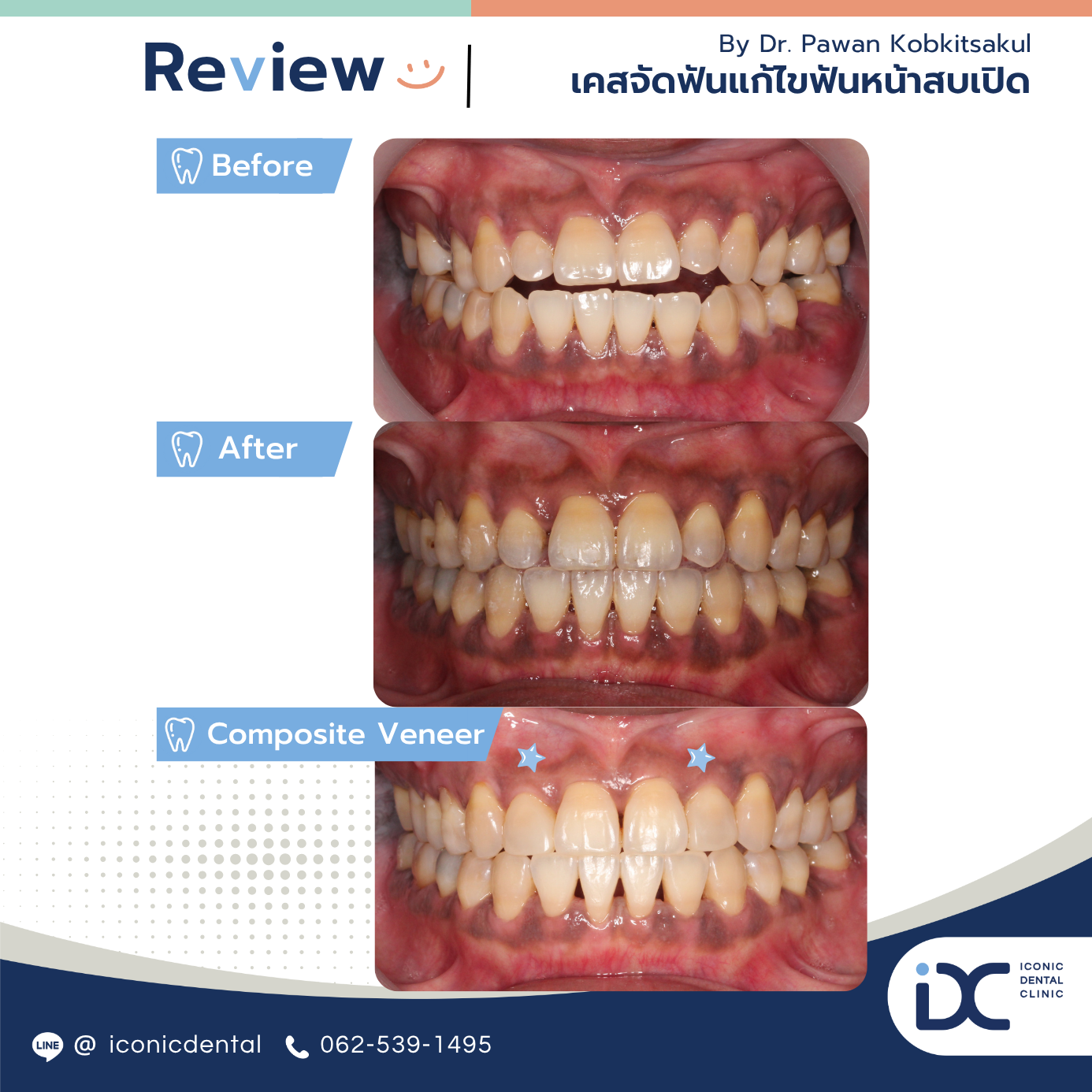
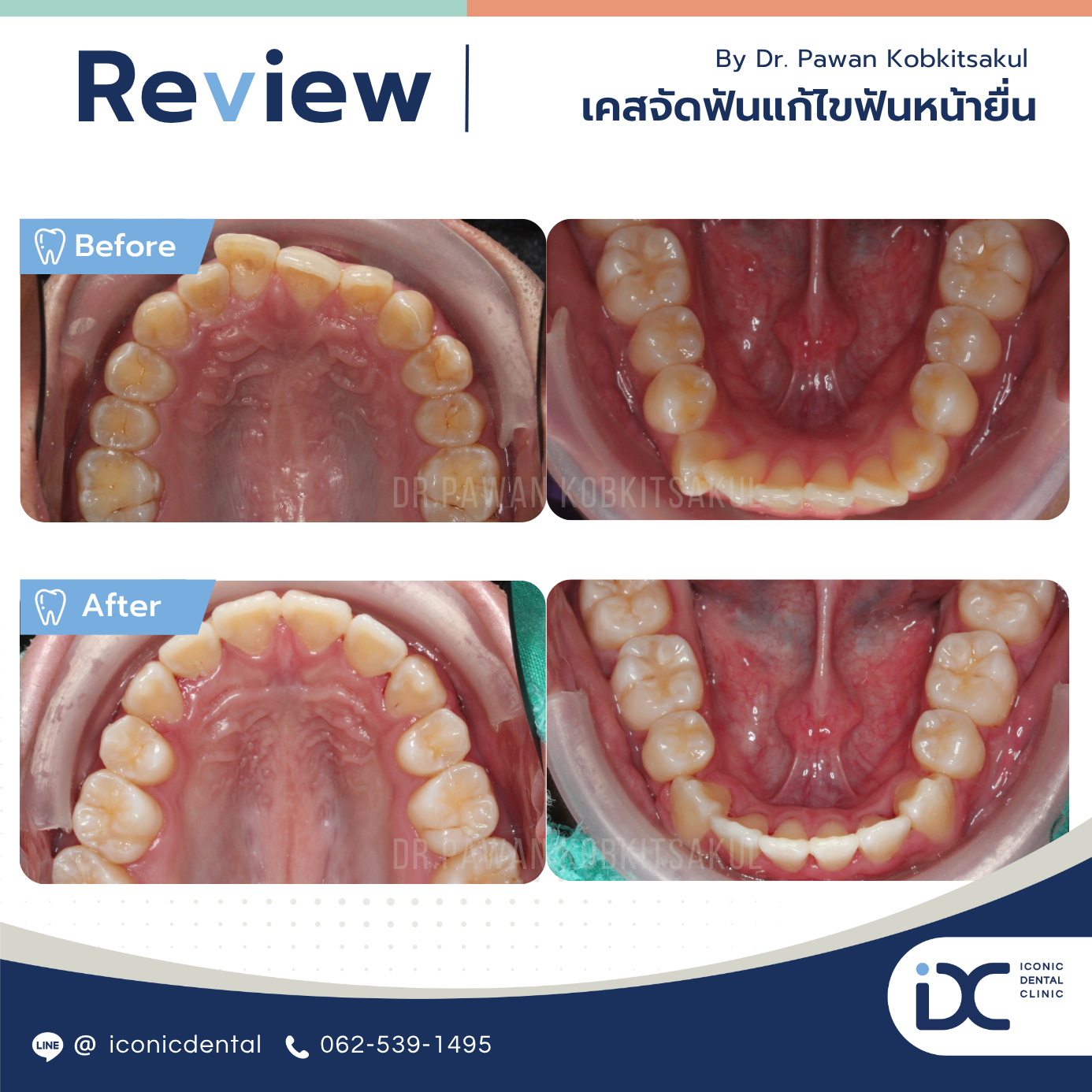
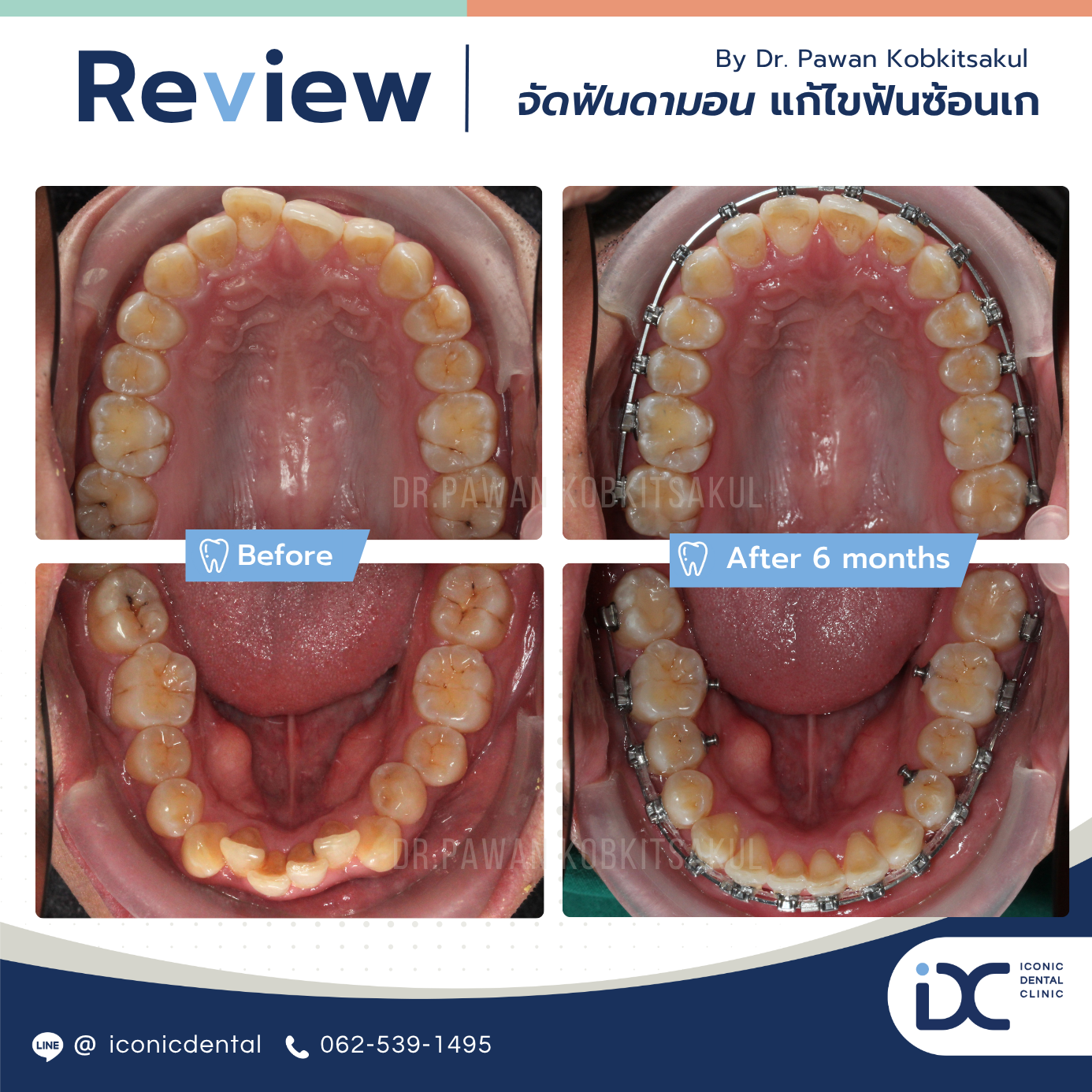
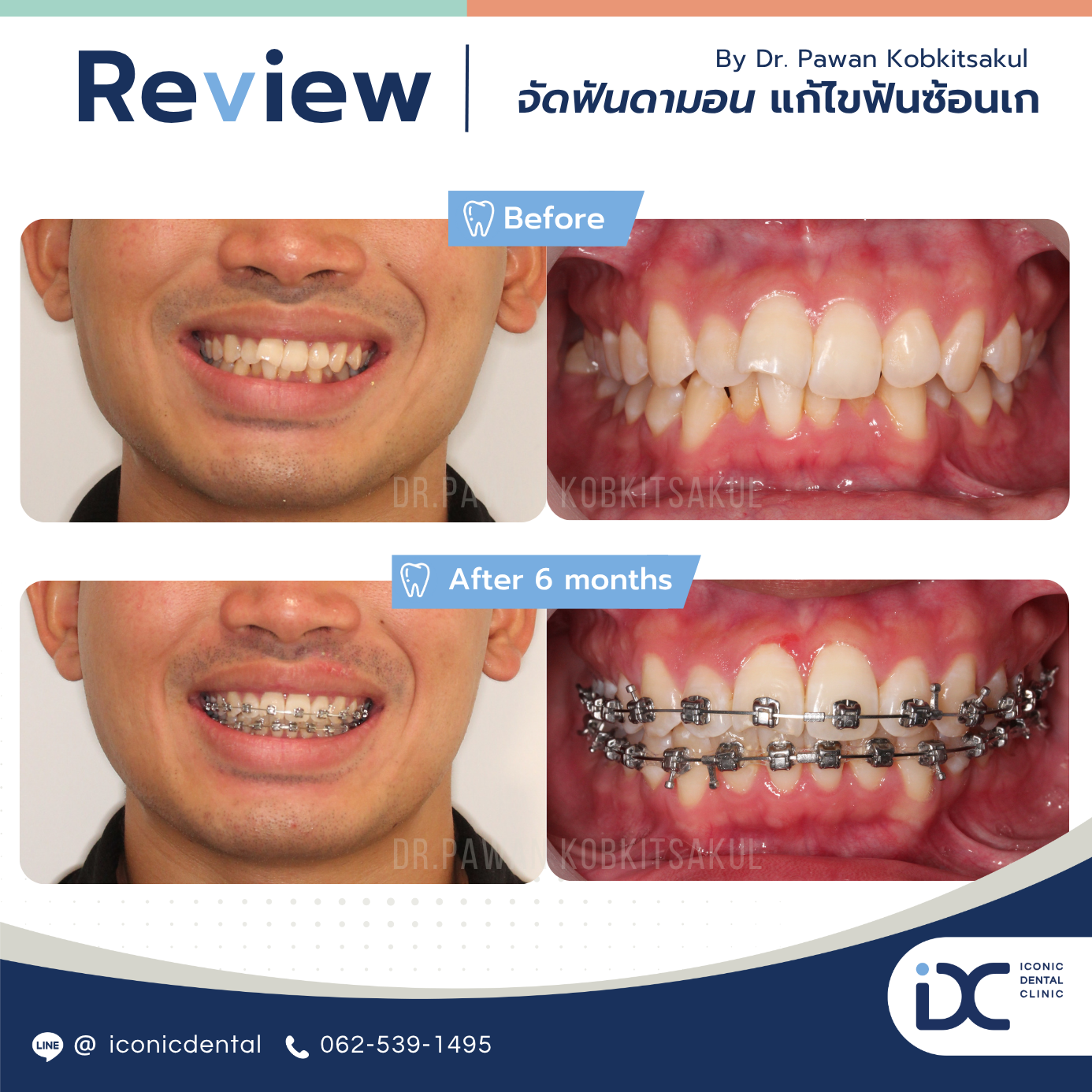
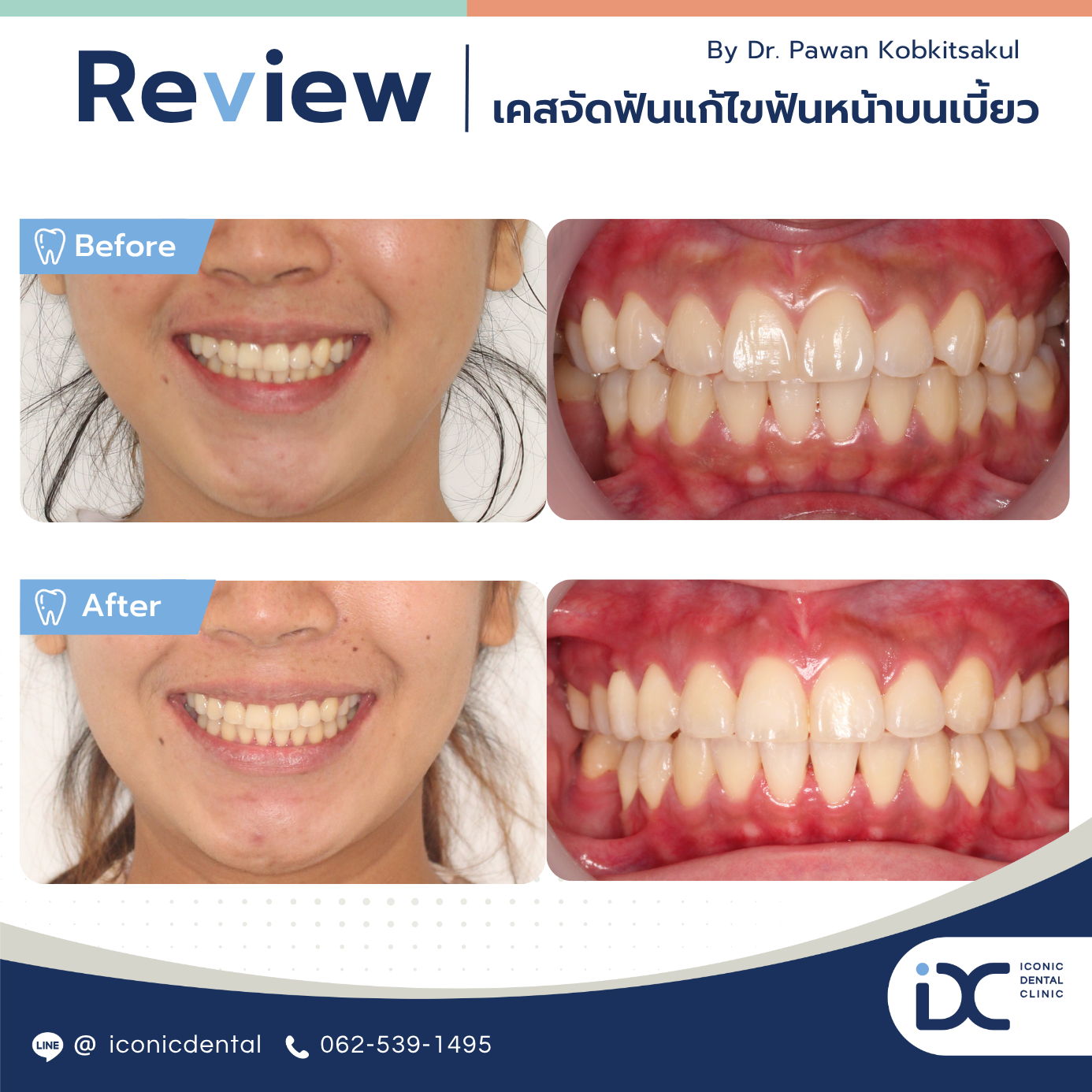
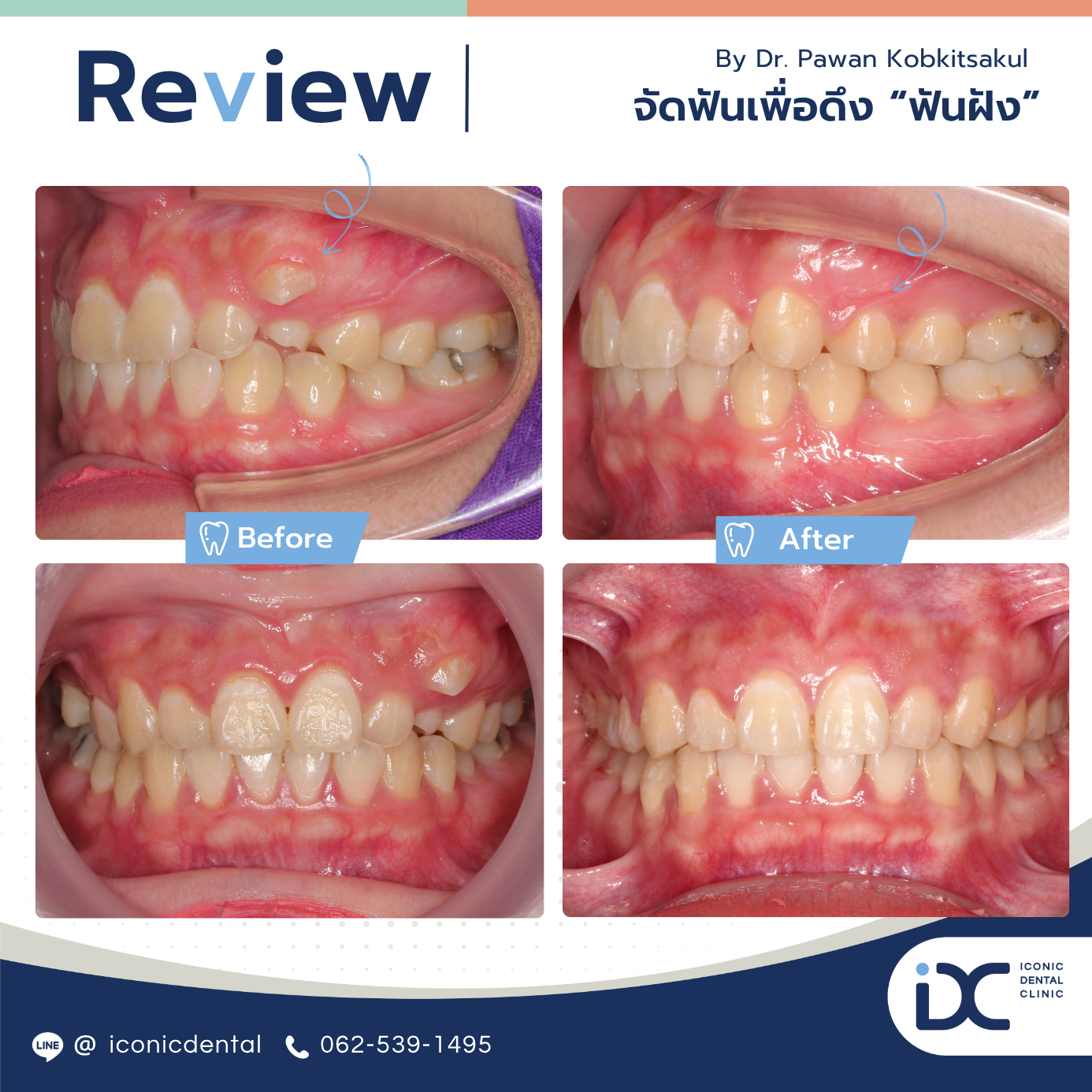
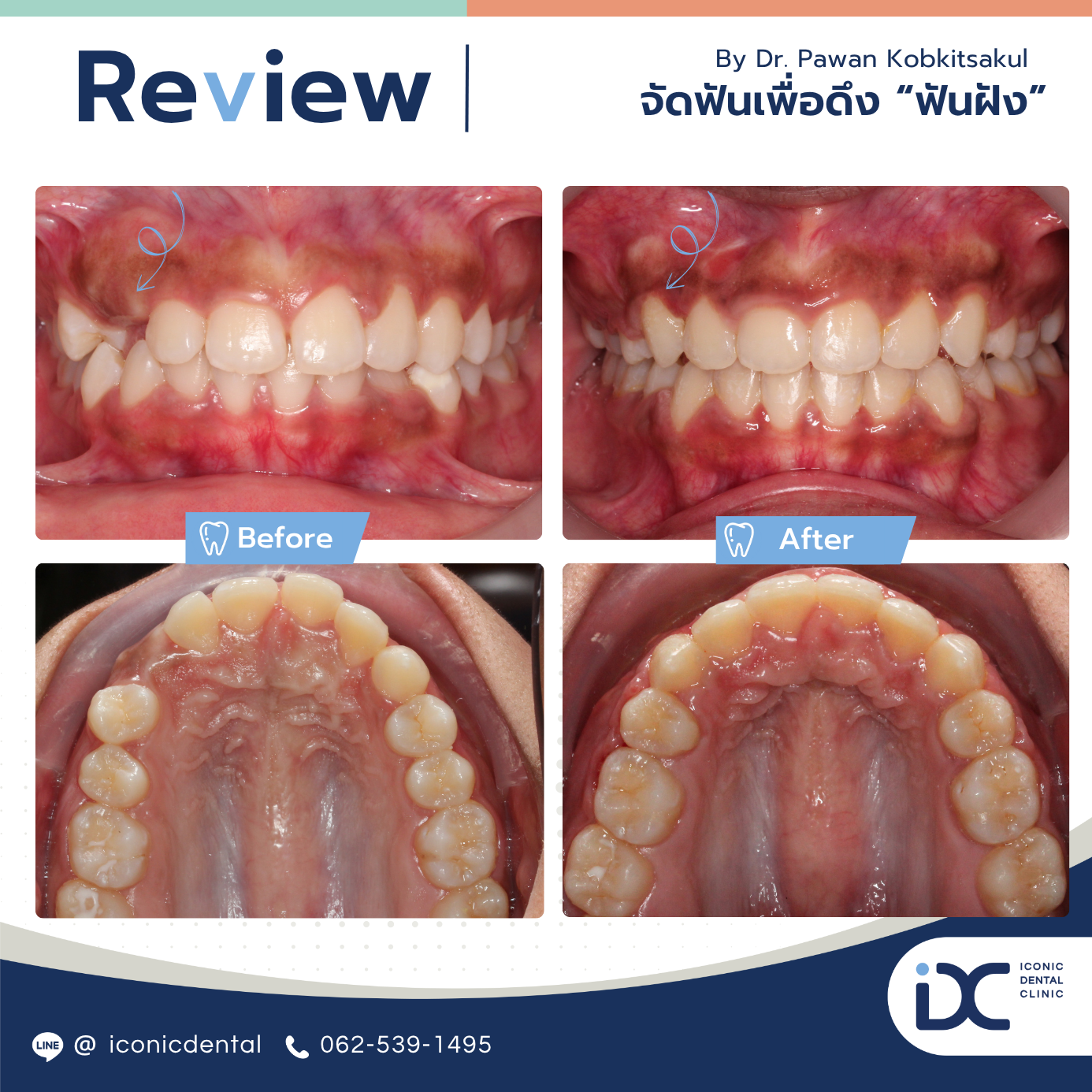
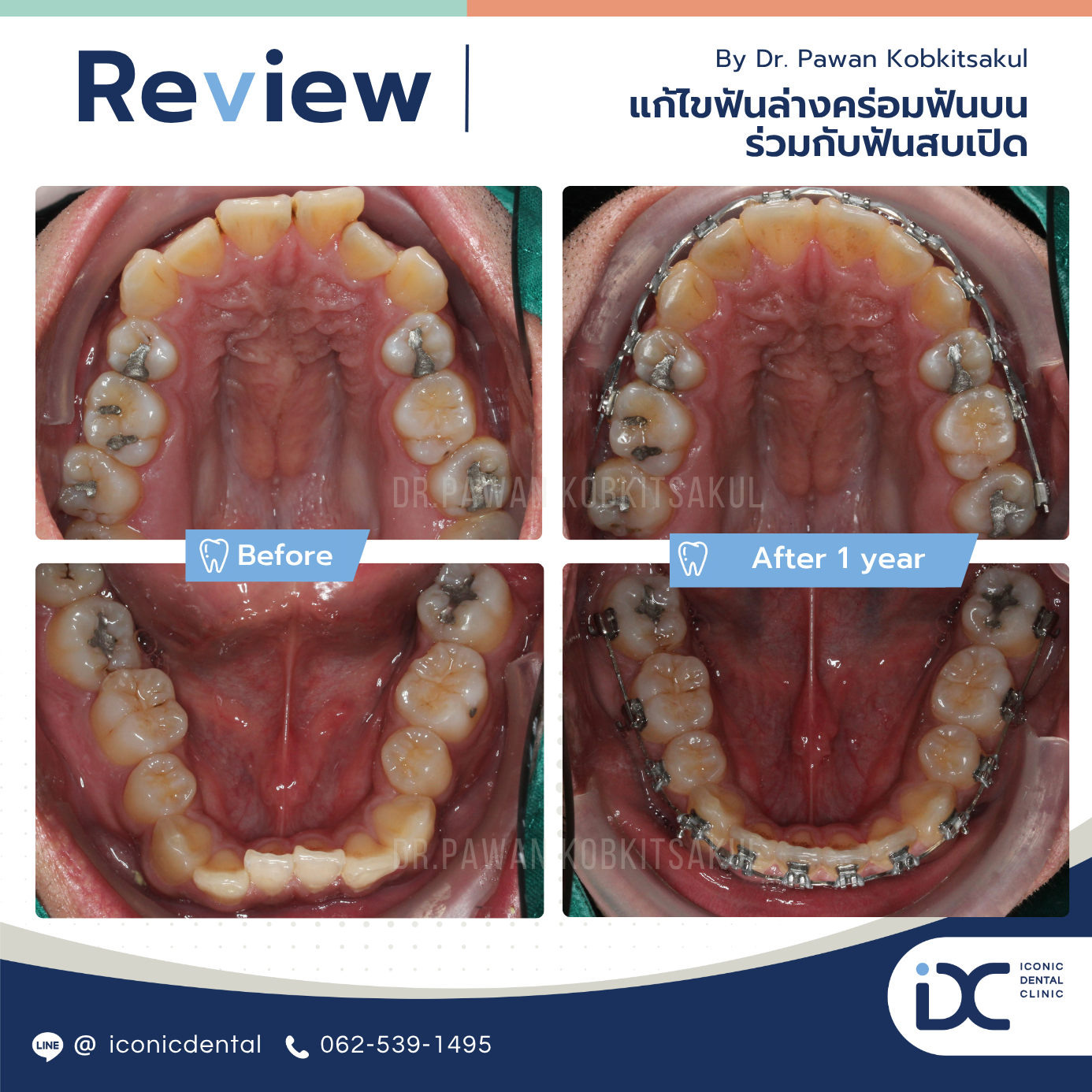
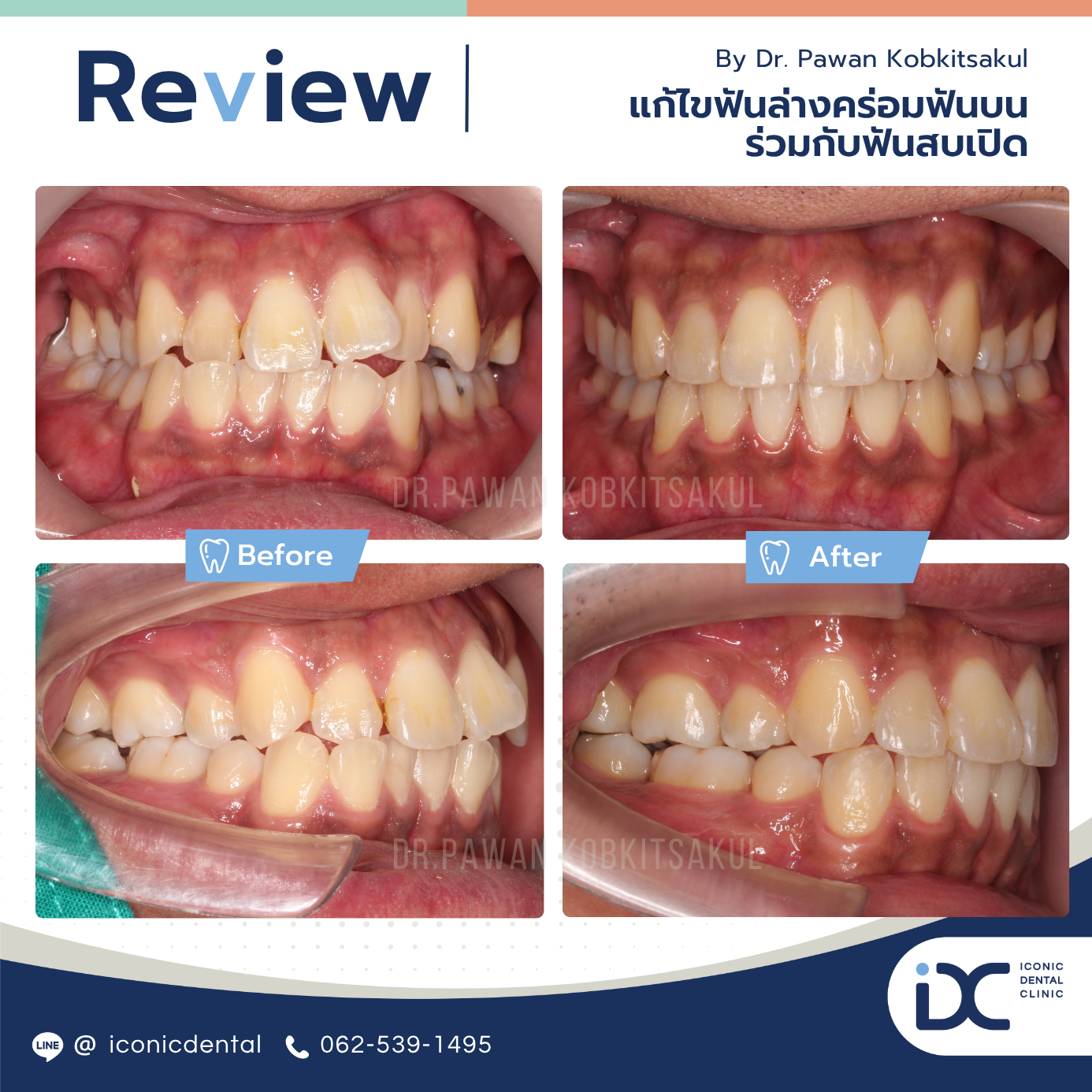
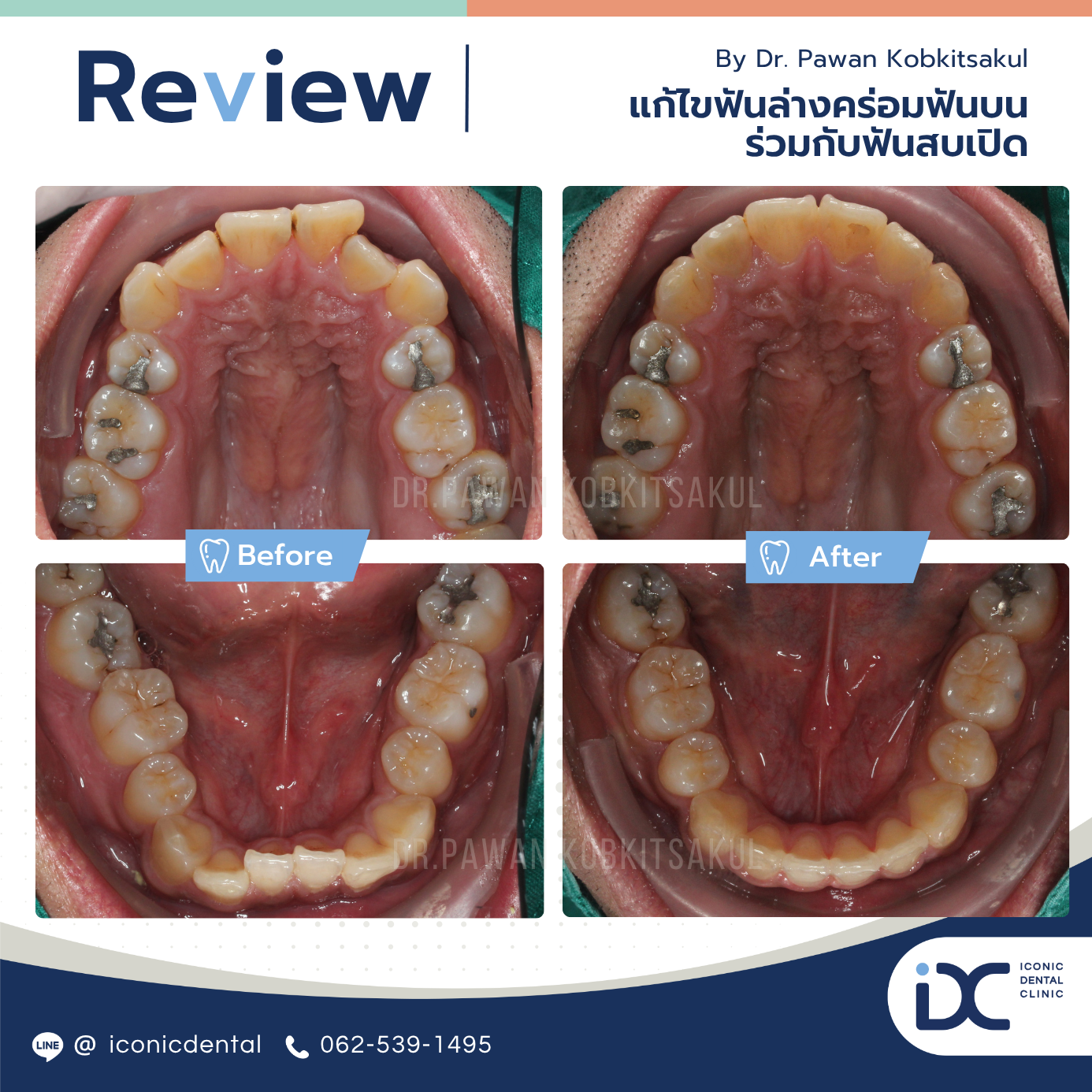
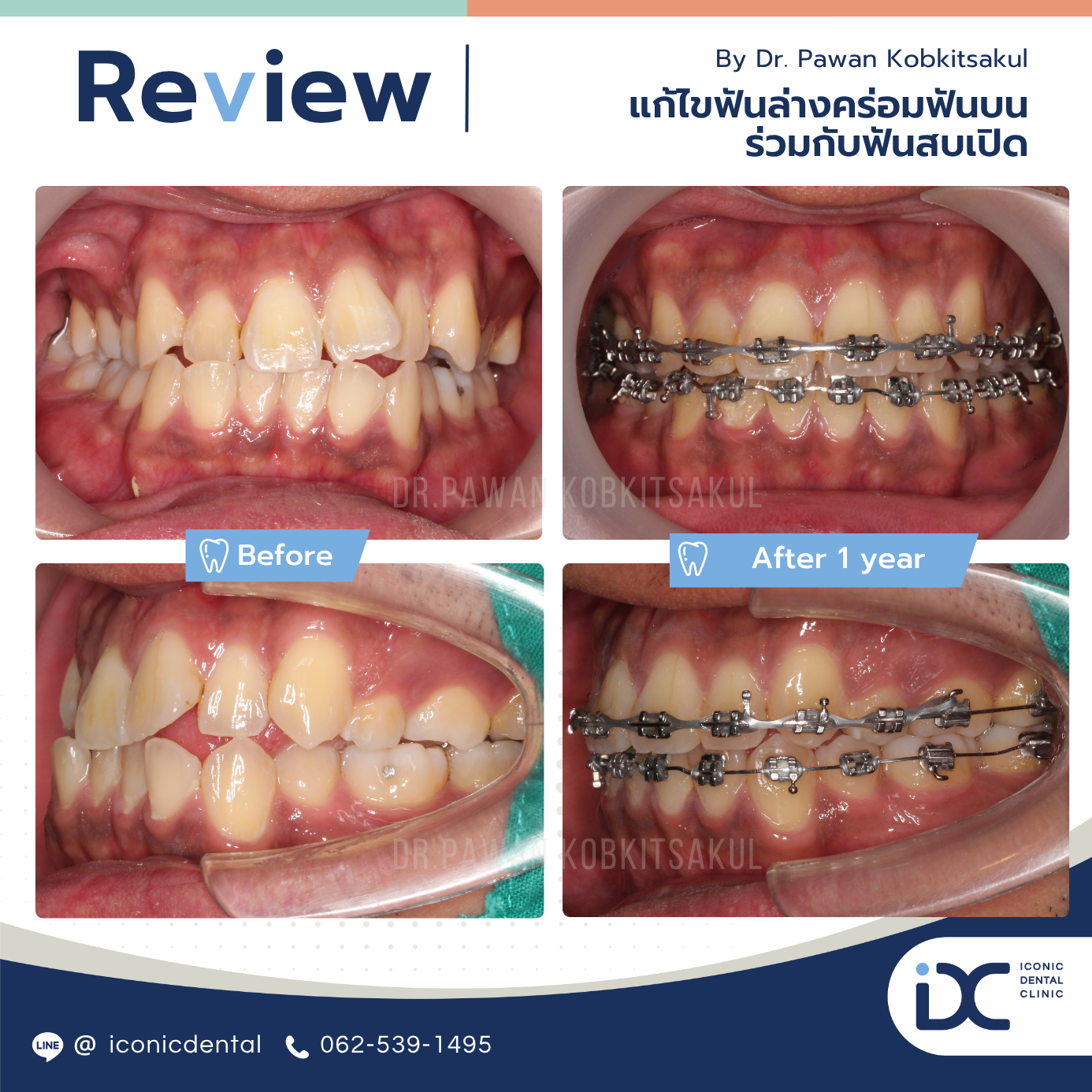
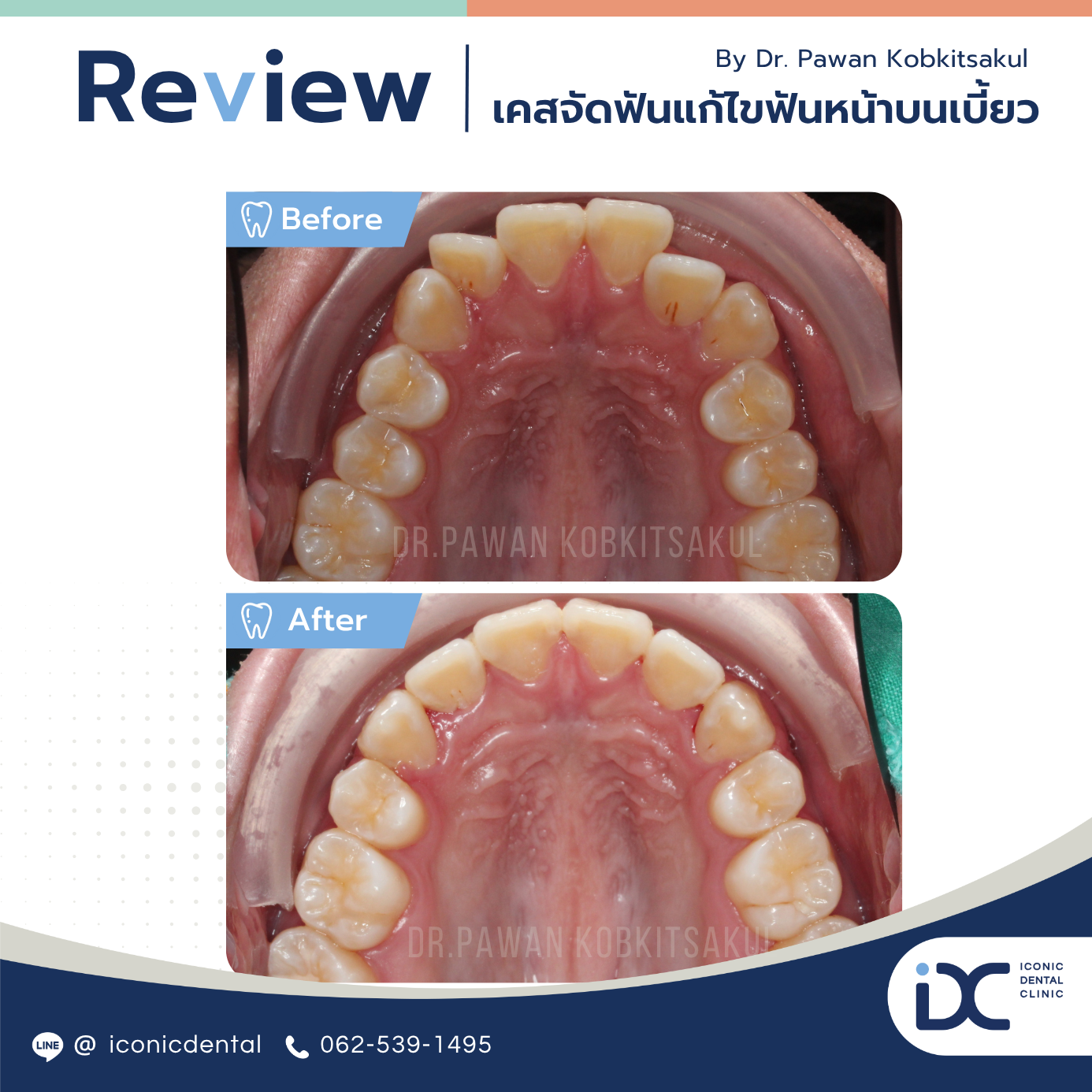
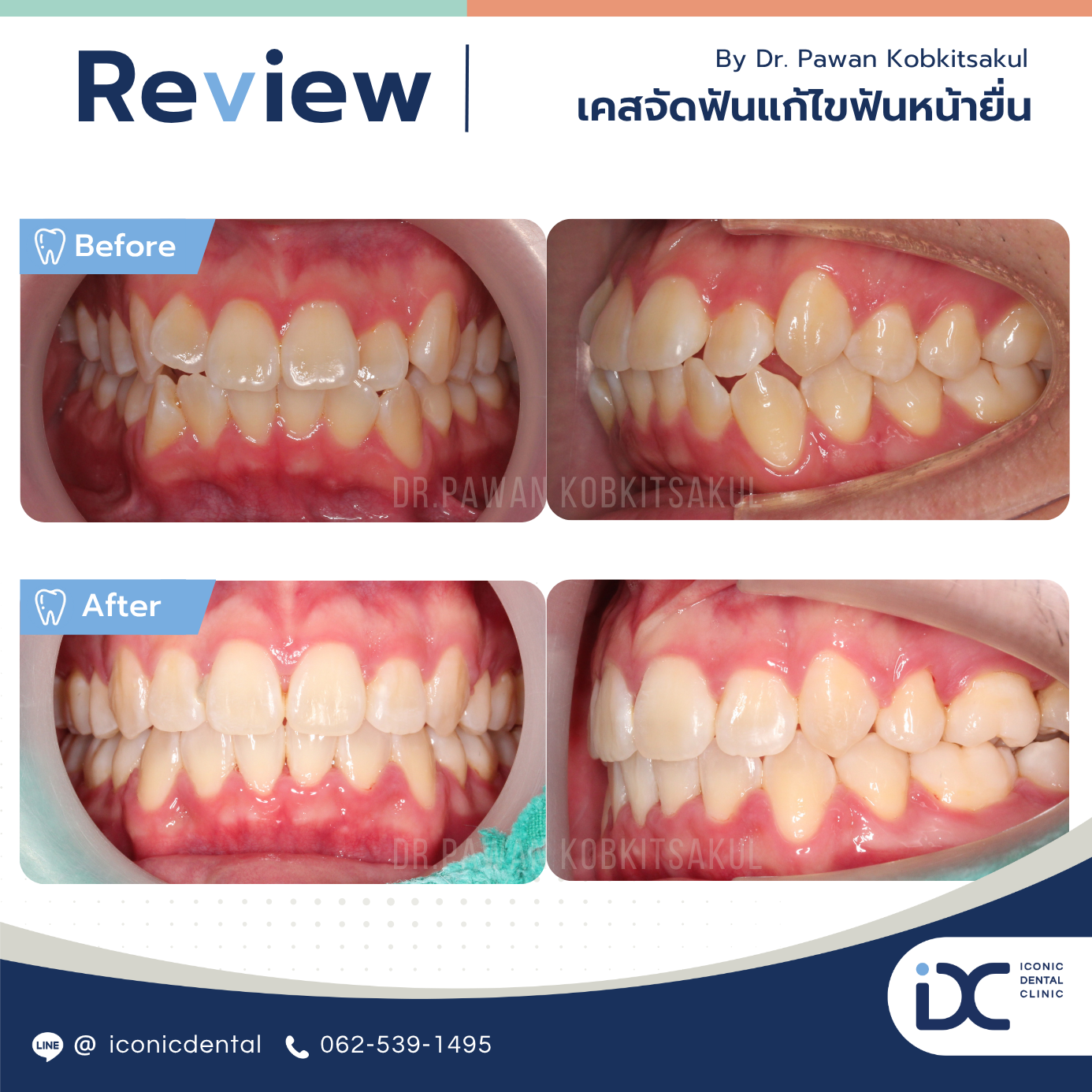
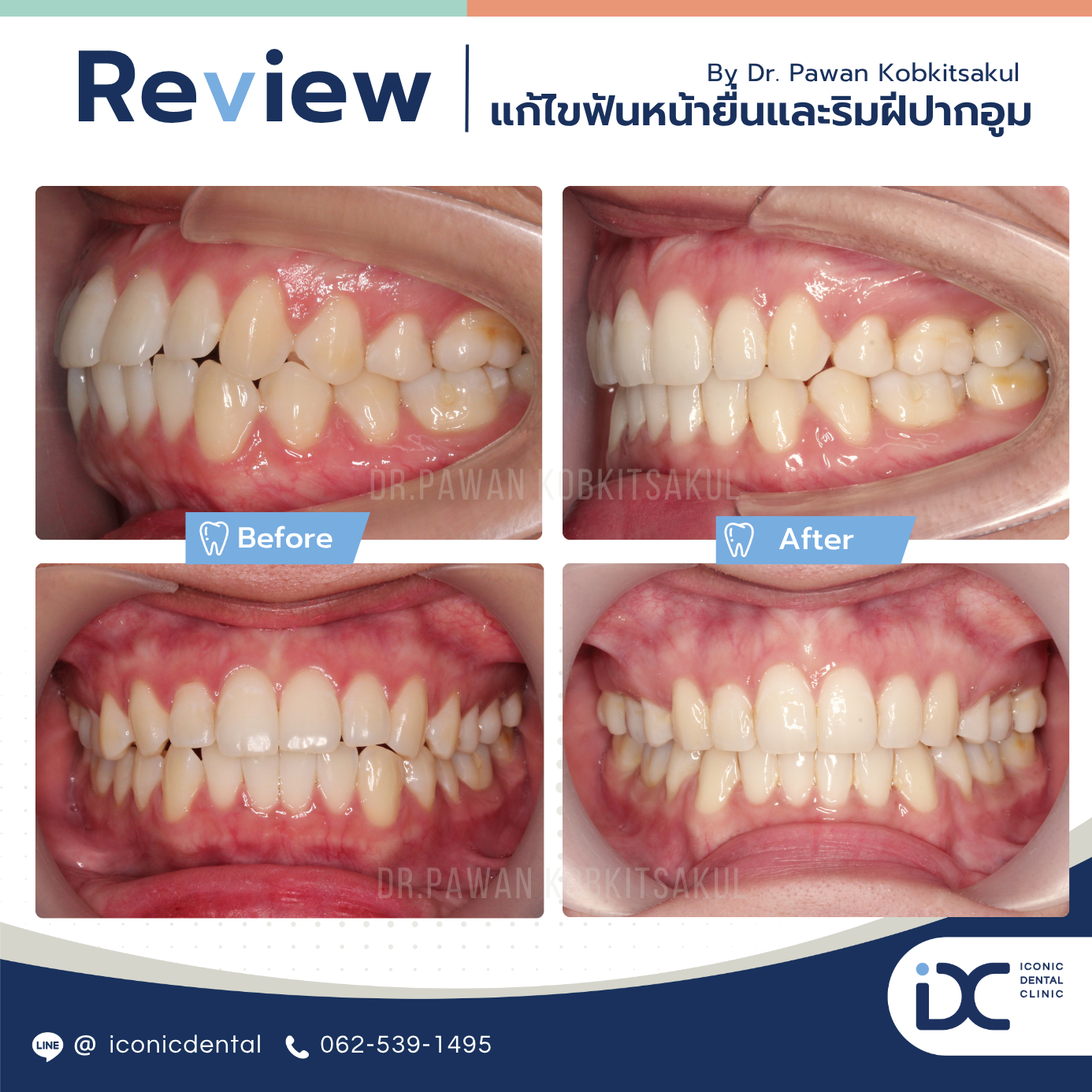
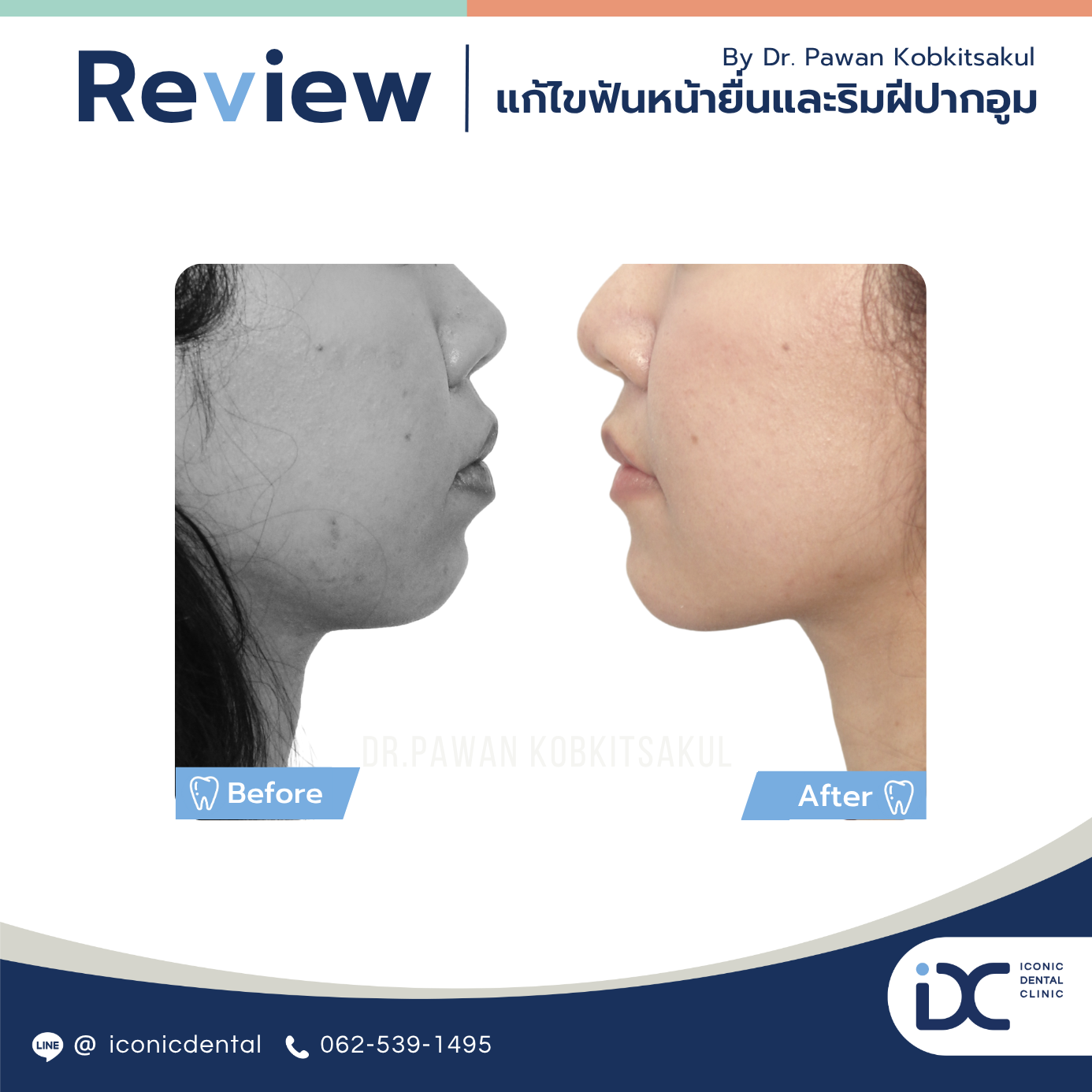
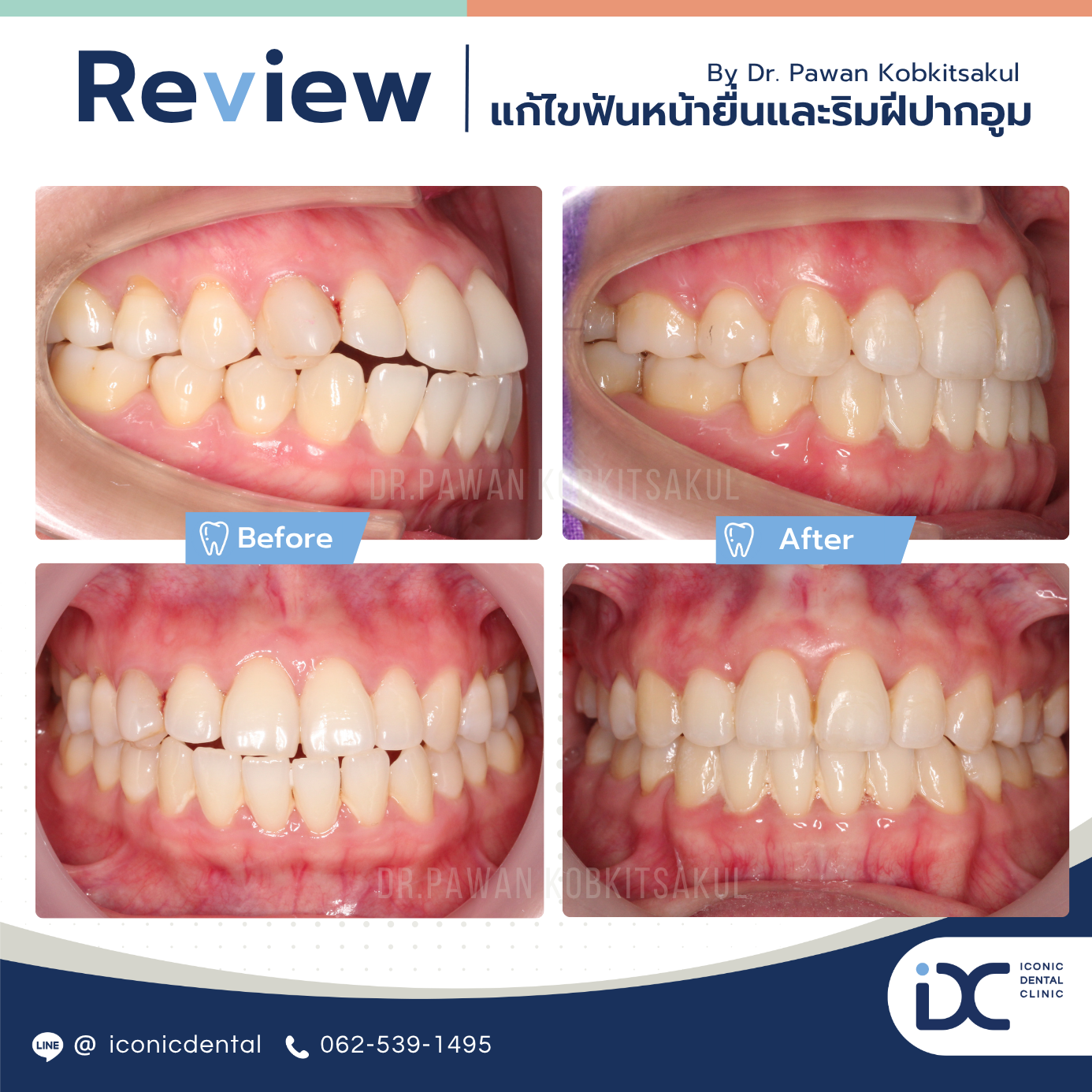
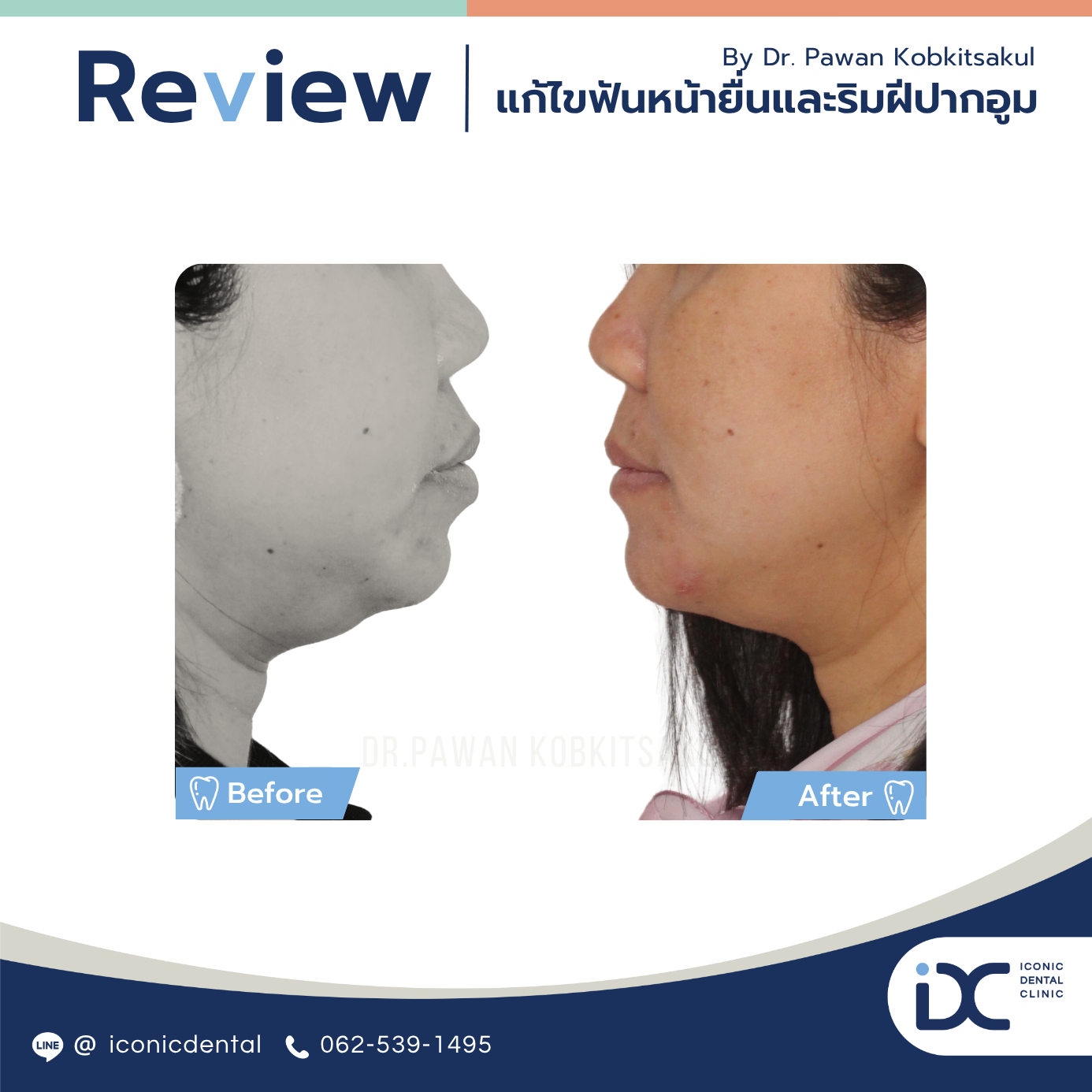
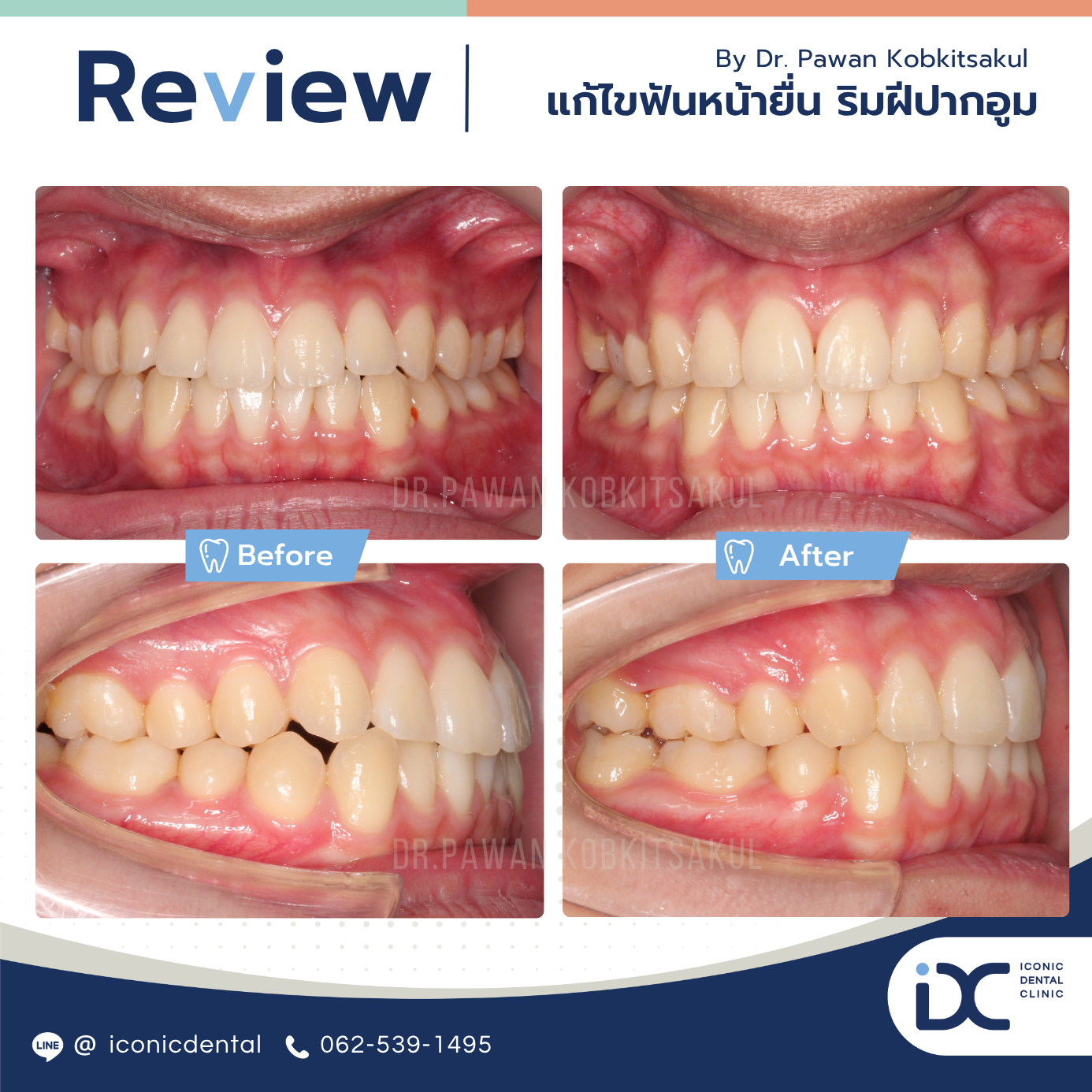
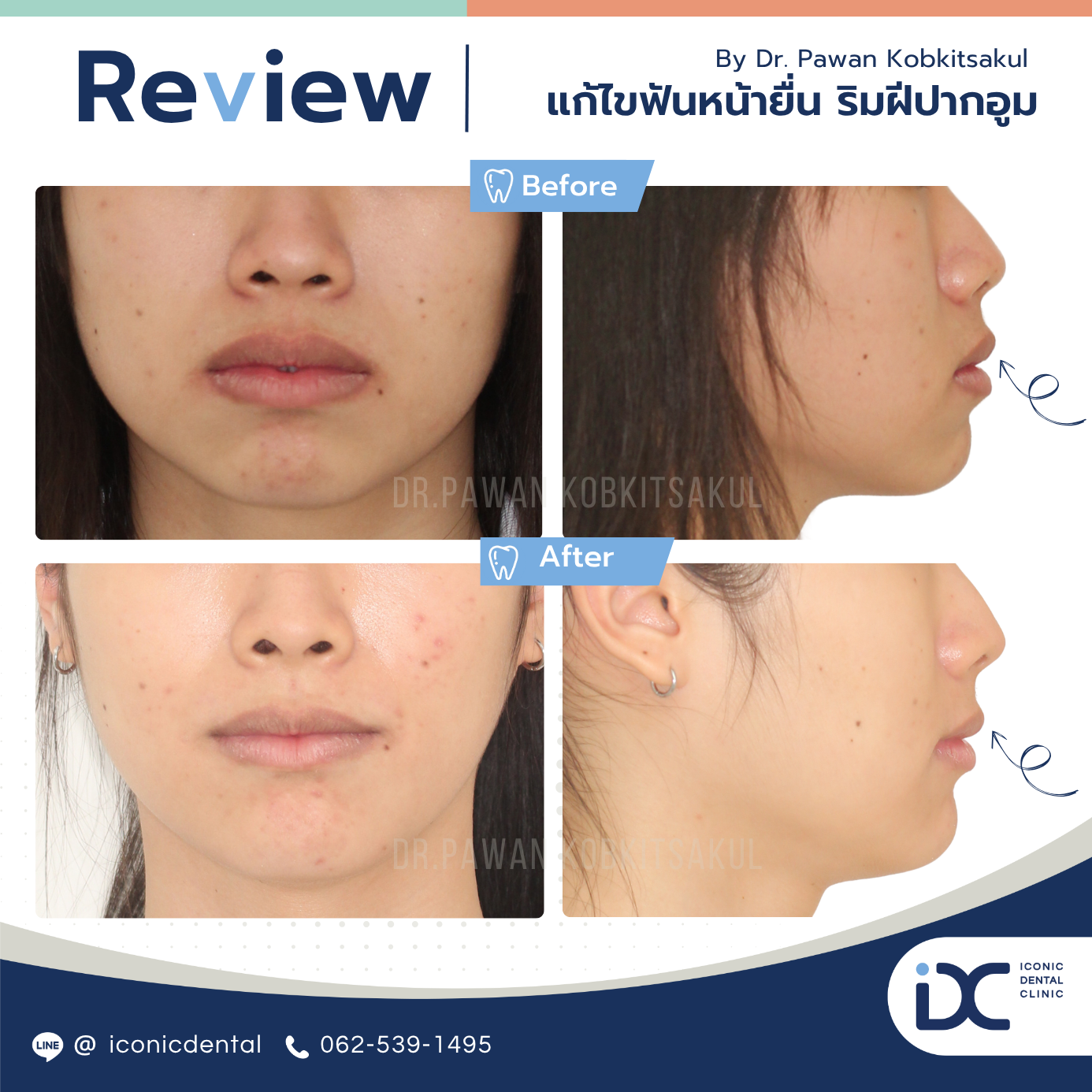
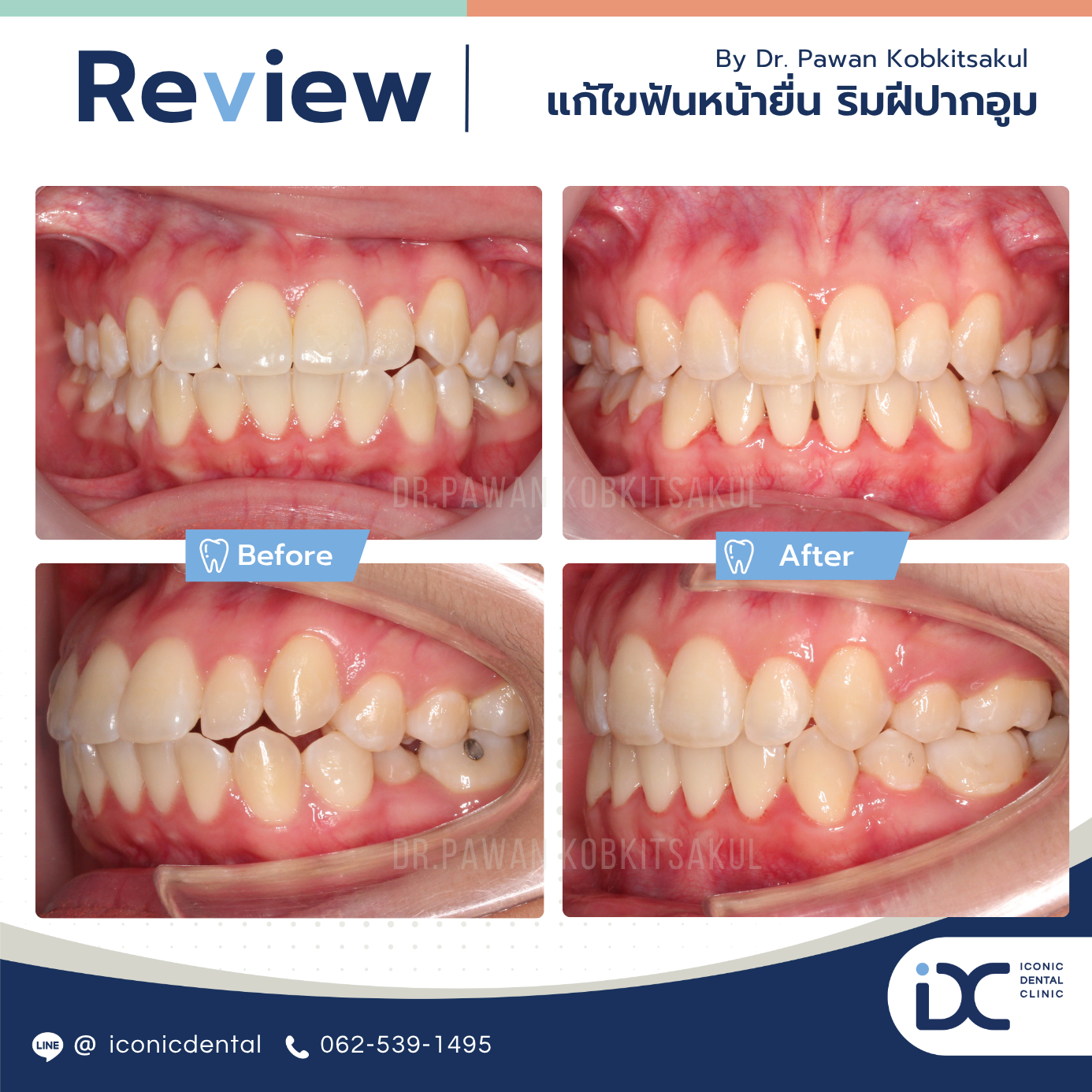
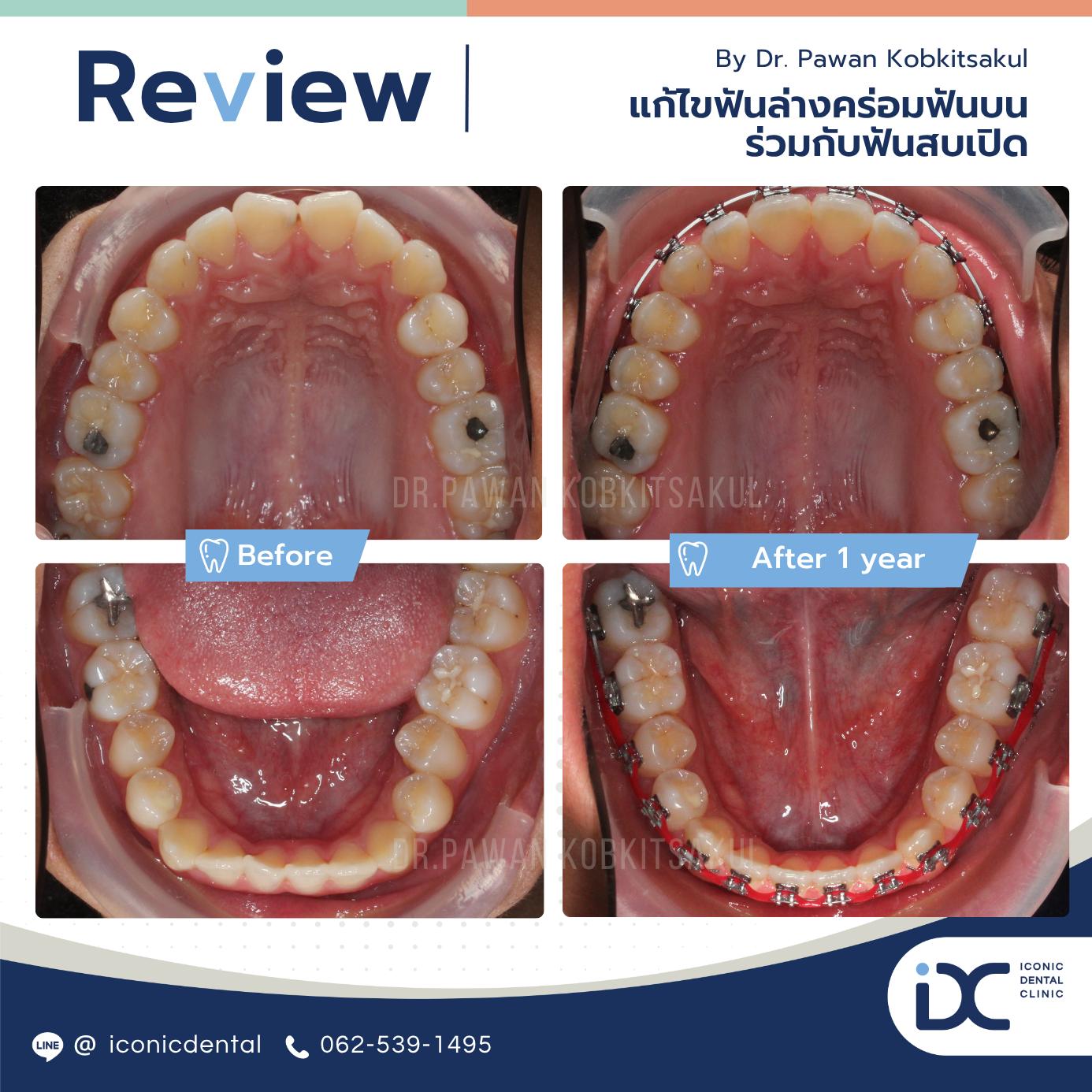
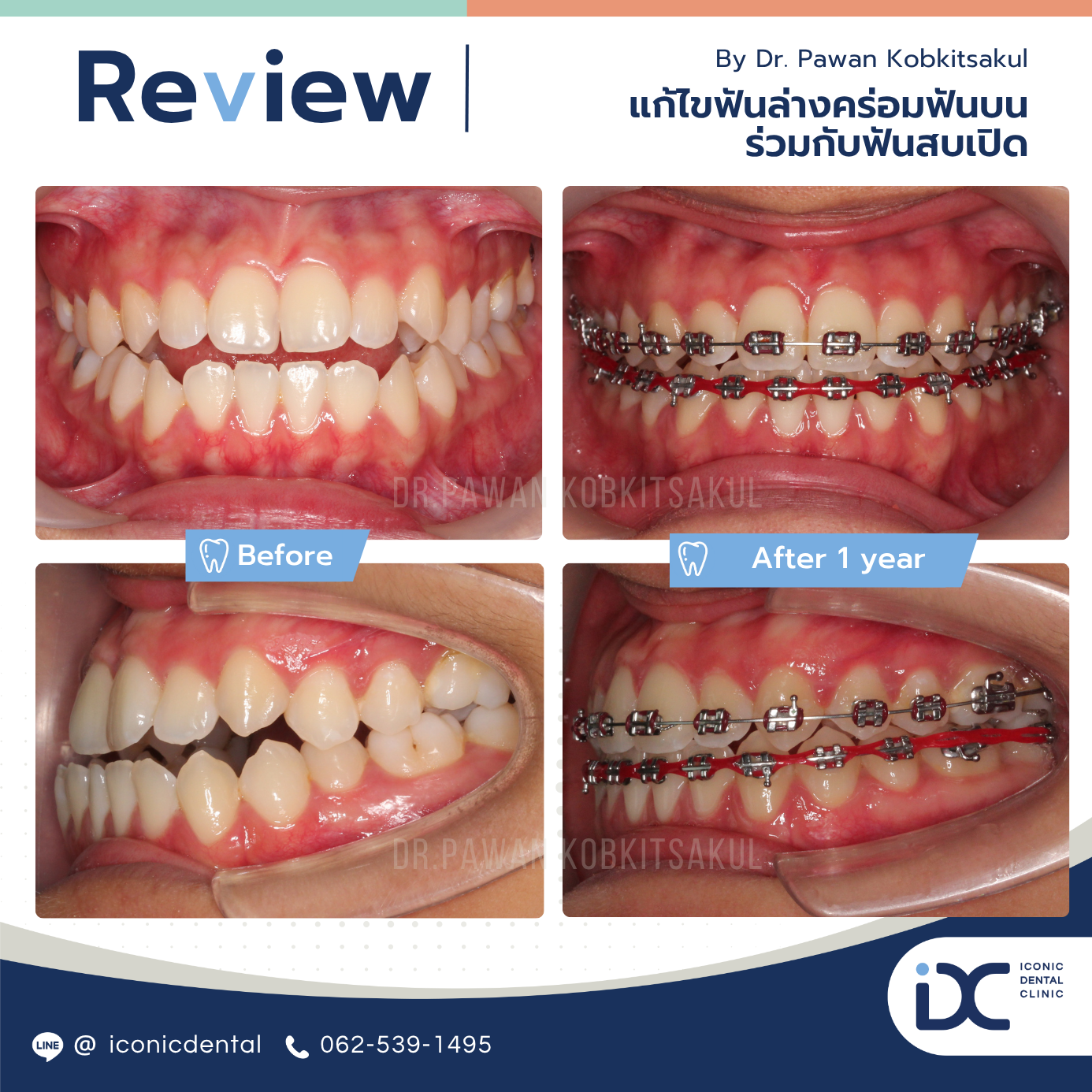
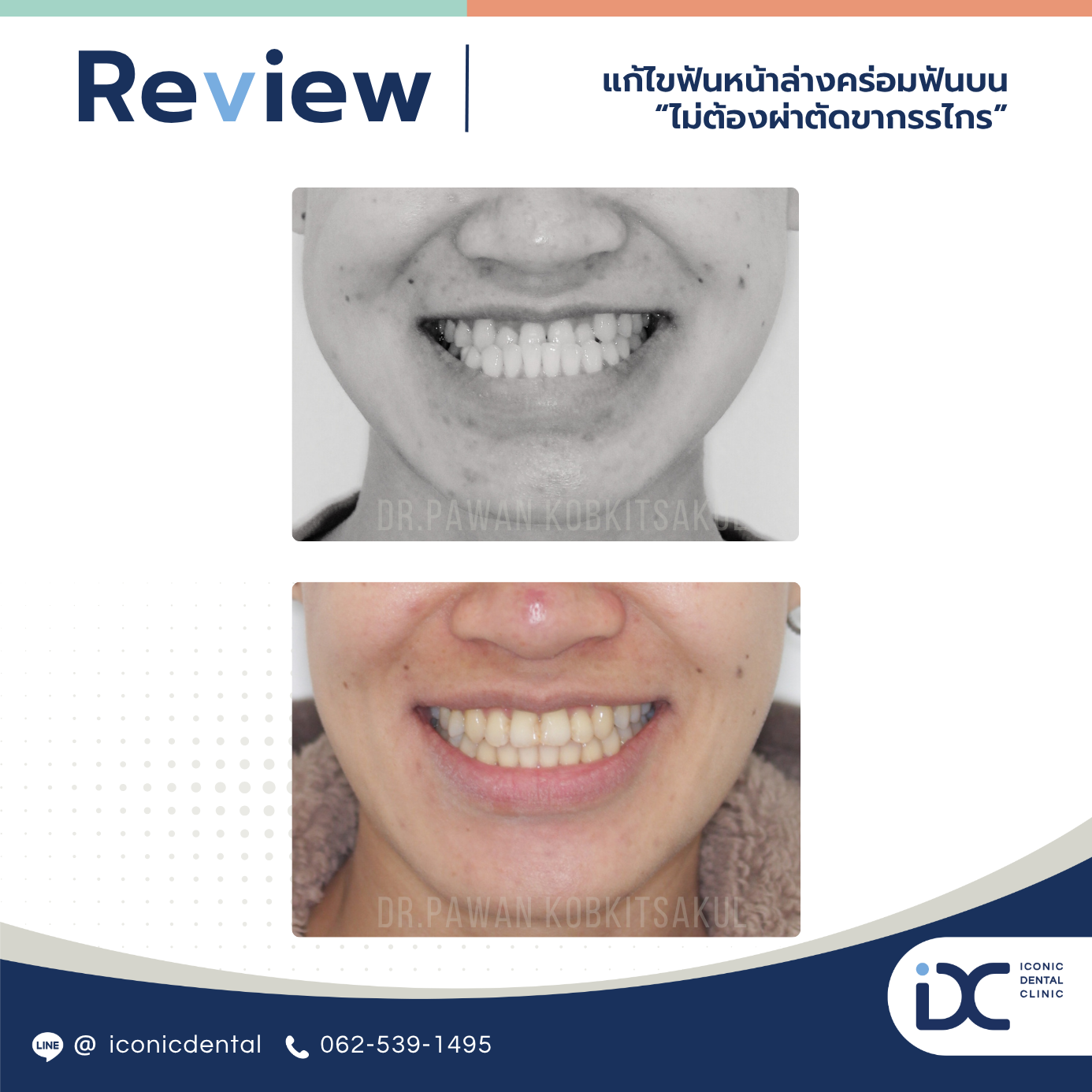
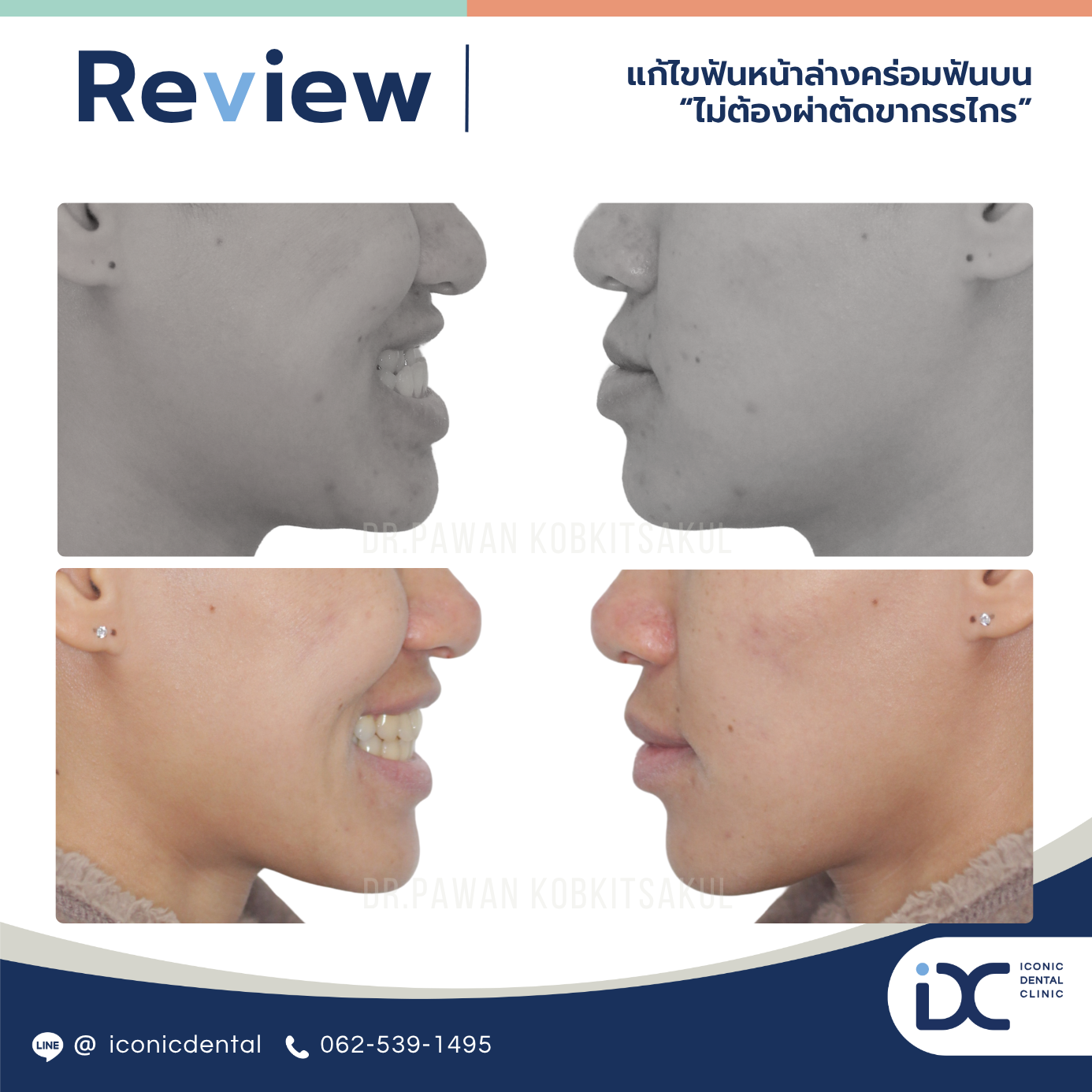
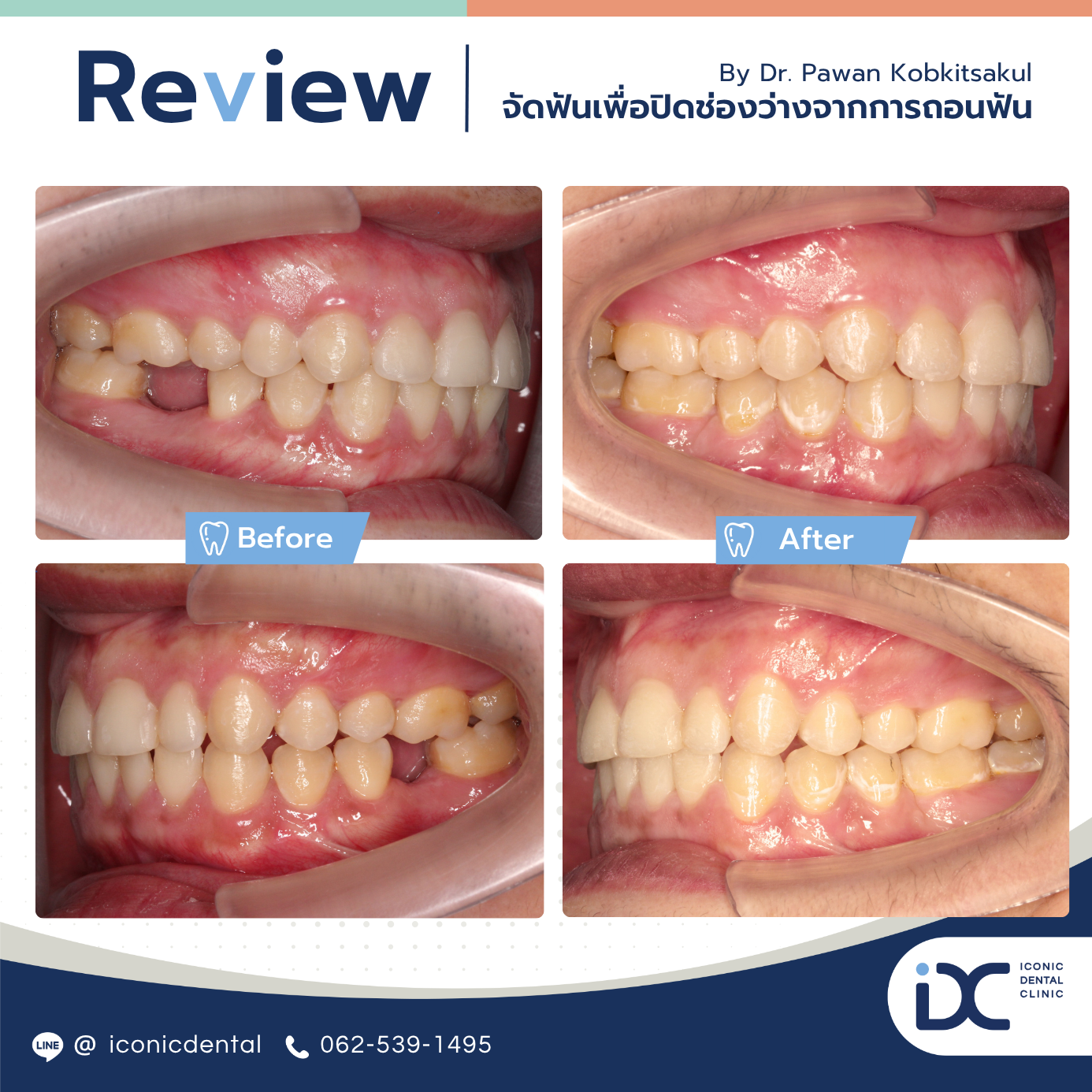
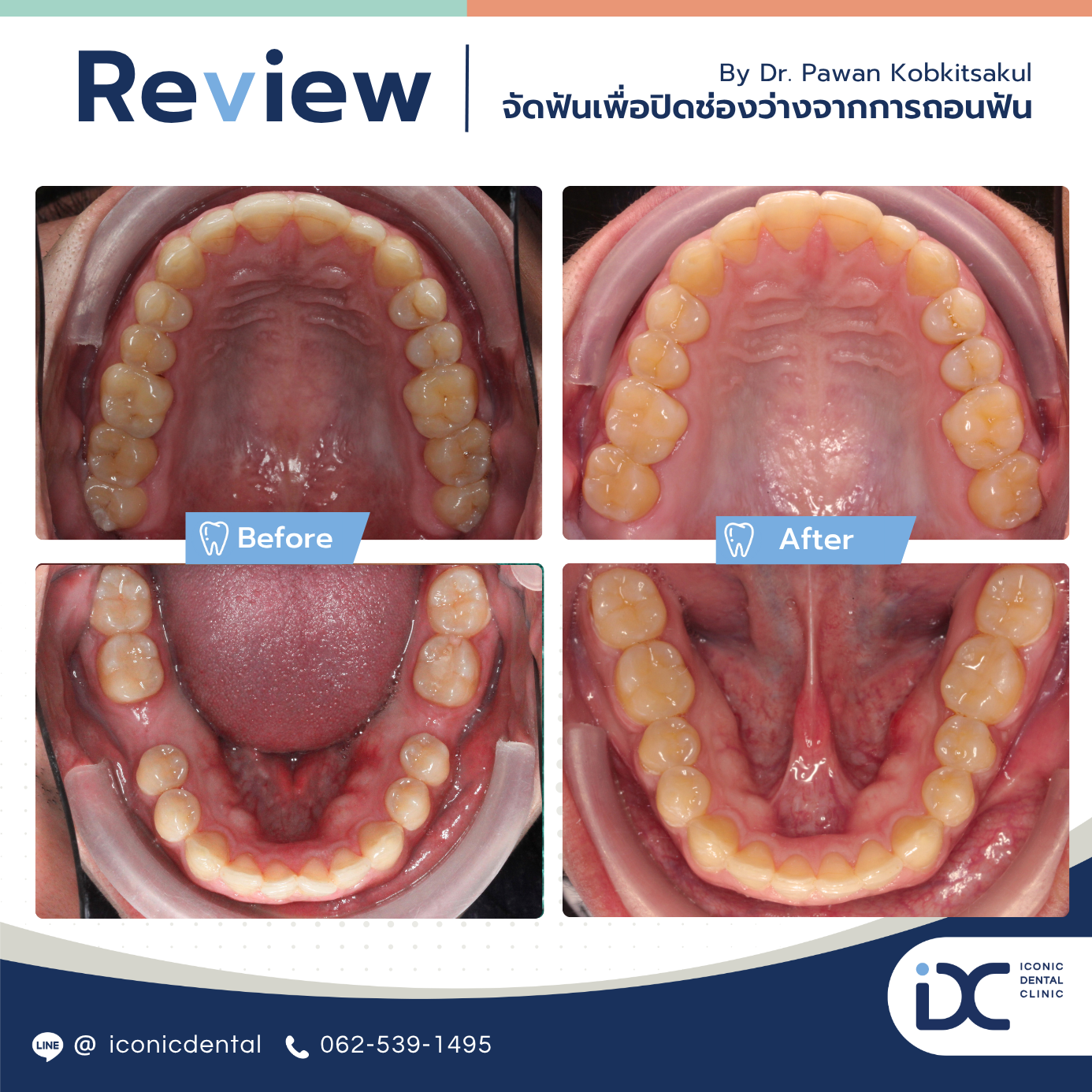
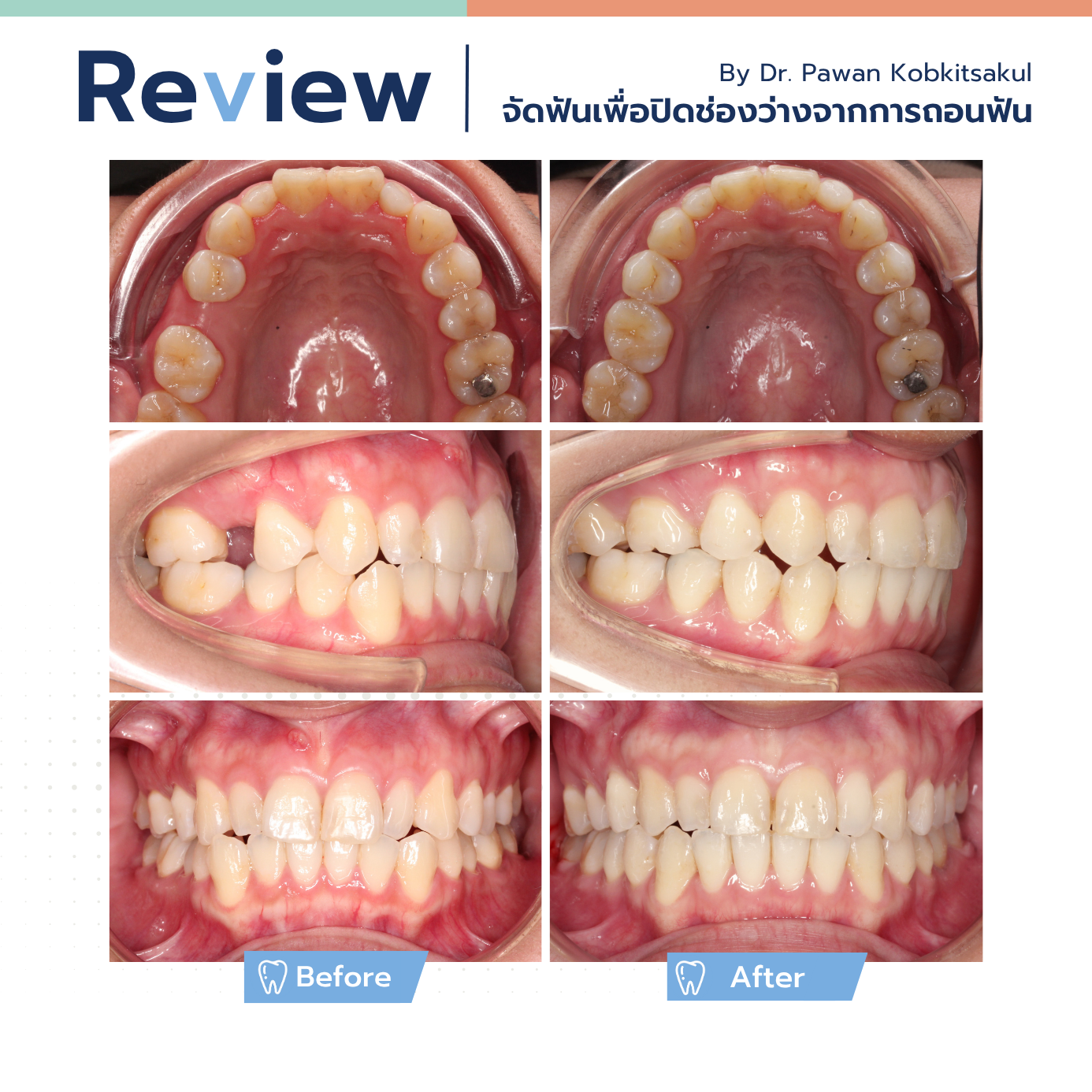
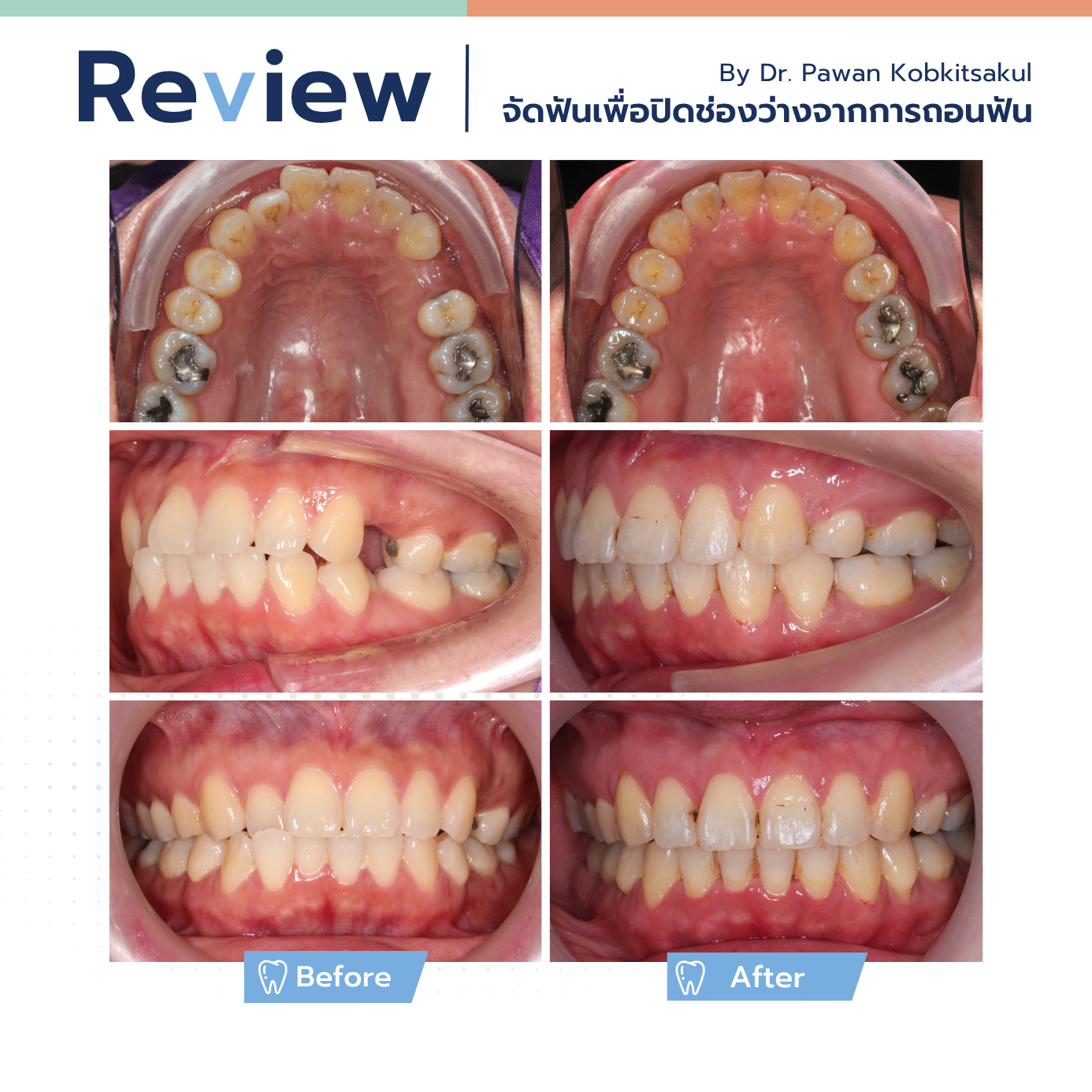
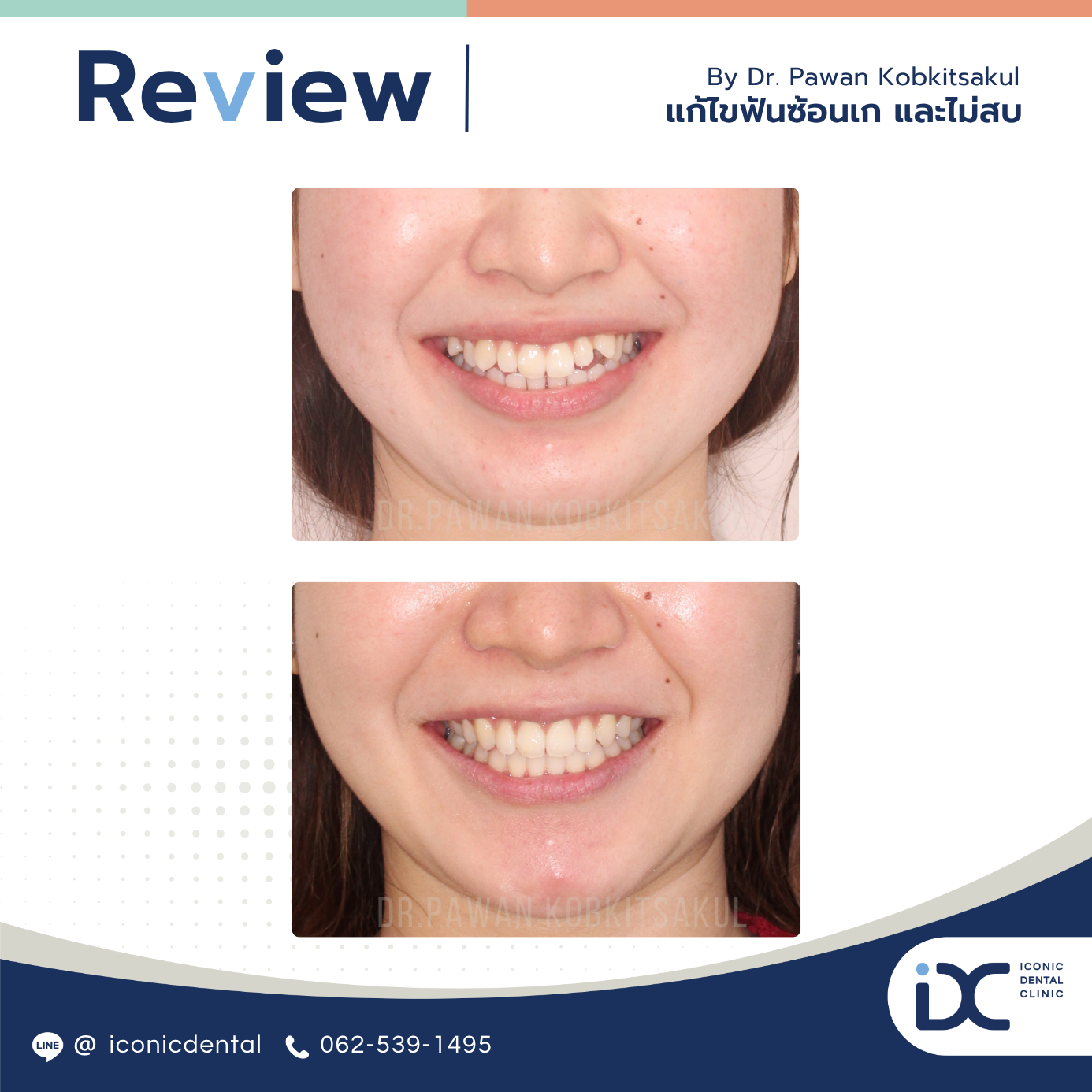
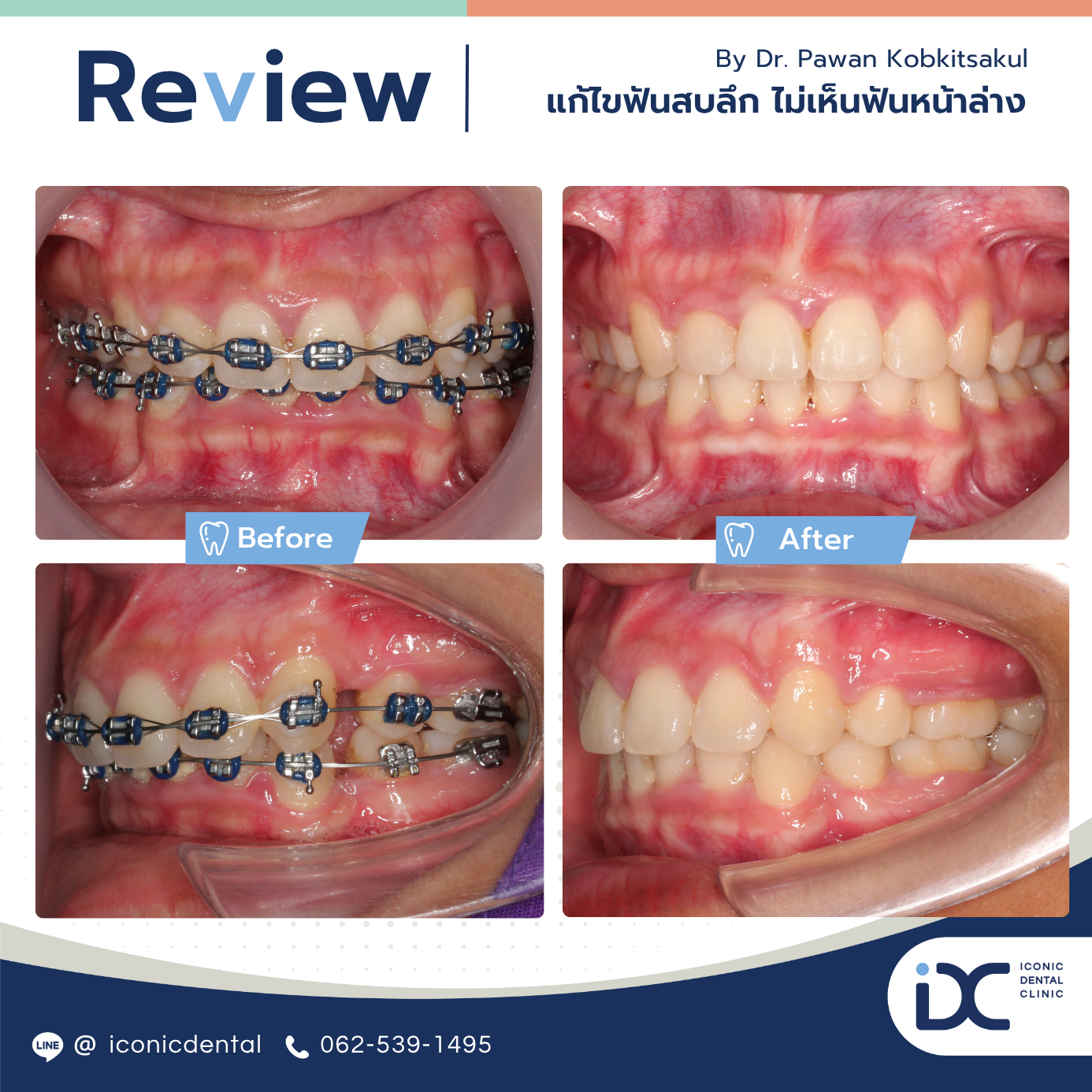
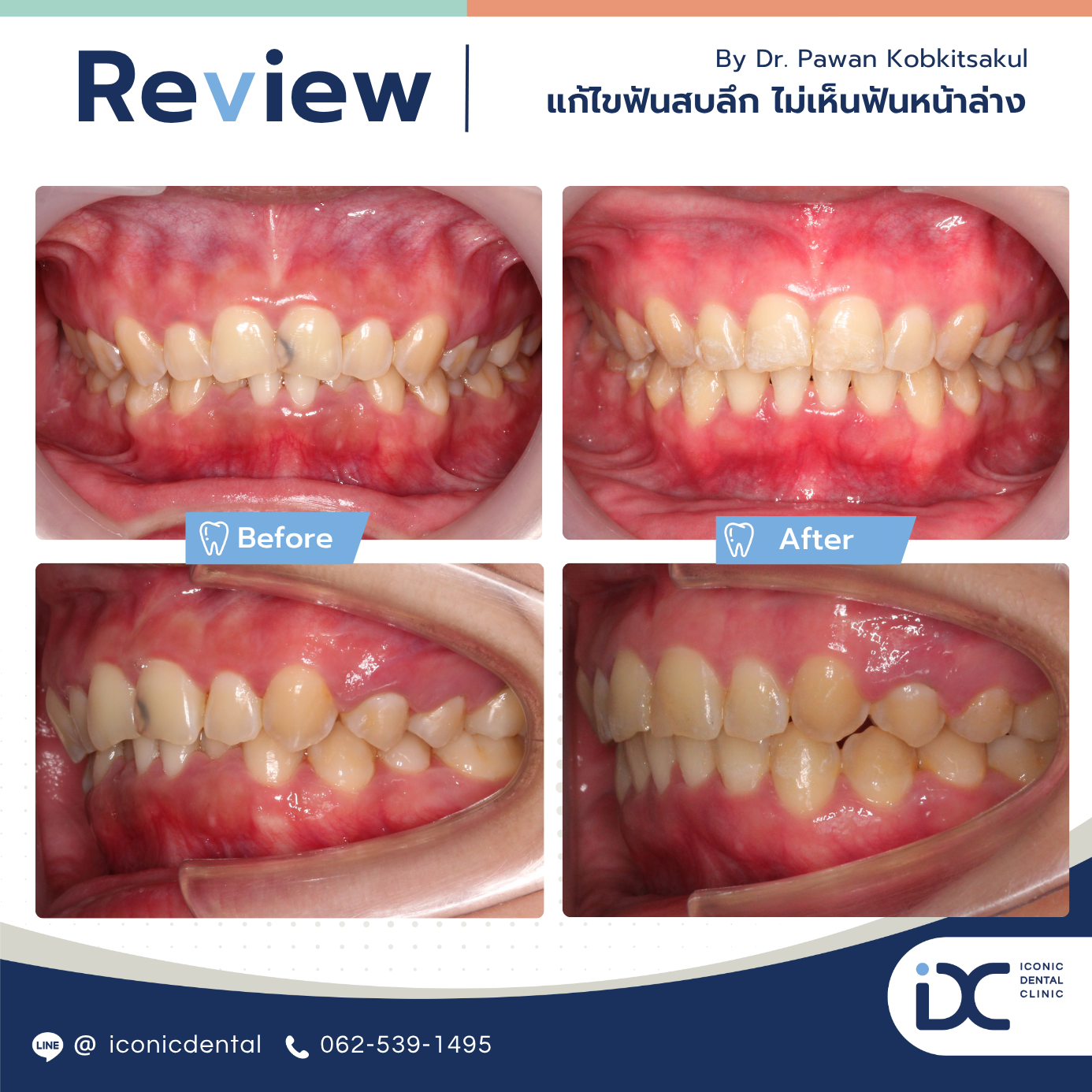
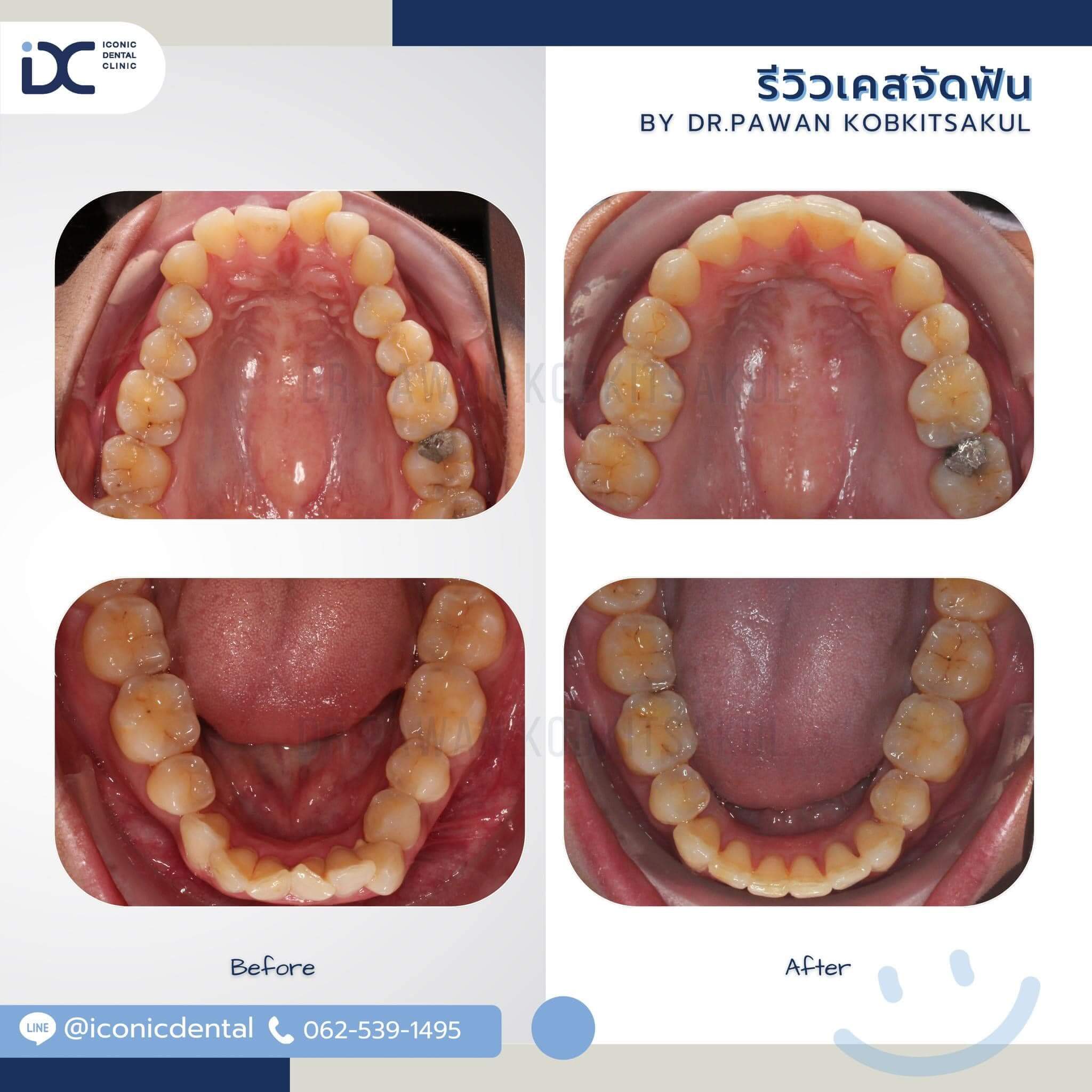
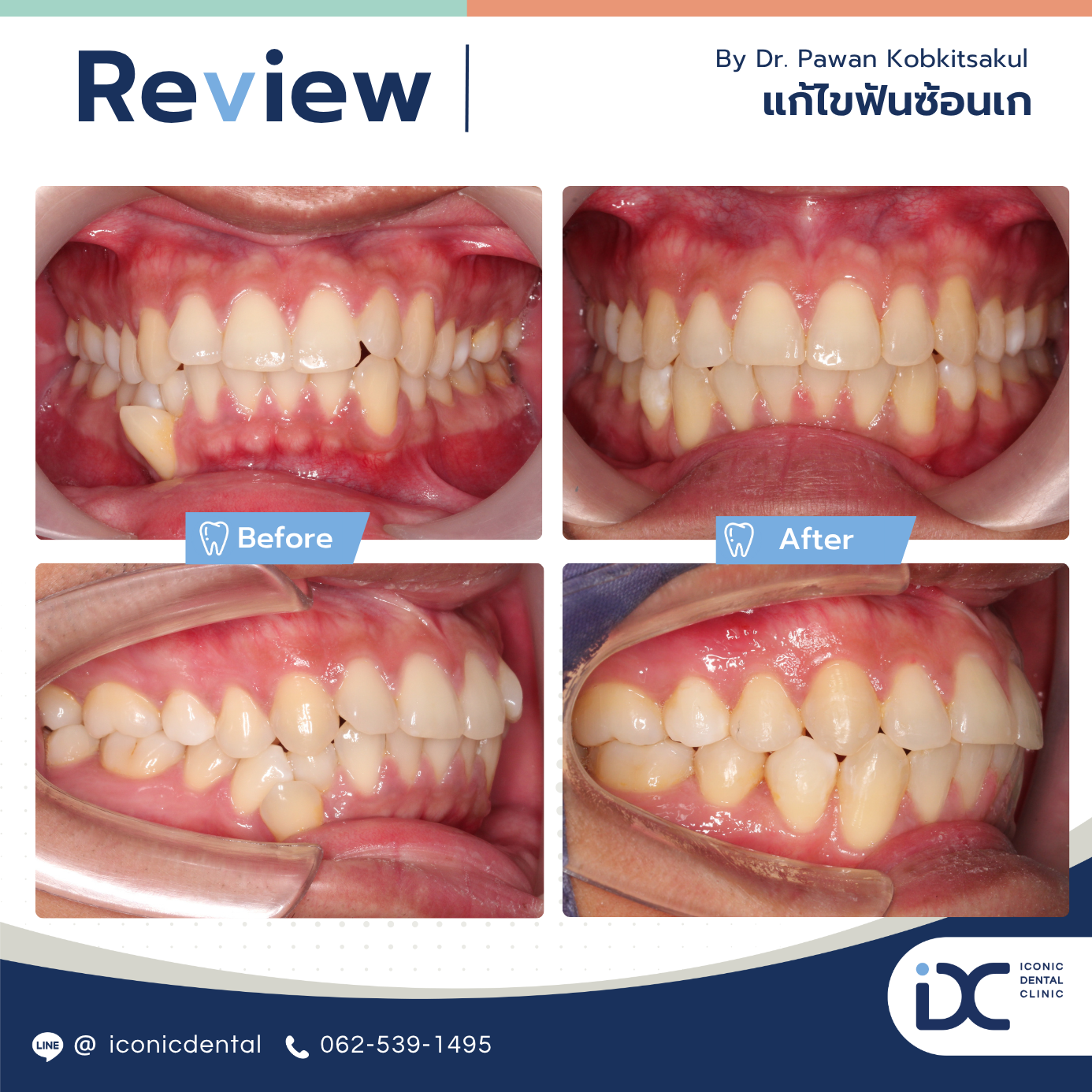
Orthodontic reviews from ICONIC

Dentist services Orthodontics

10
Dr. Pawan Kobkitsakul

เลือกภาษา

Select language